If you are considering platelet-rich plasma therapy, it is normal to want a clear picture of what the visit will involve before you schedule. Many patients in Houston, TX seek PRP for joint pain, tendon irritation, soft tissue injuries, and certain hair or skin concerns, but the process can feel unfamiliar if you have never had this type of treatment before.
A PRP injection appointment is generally straightforward: a clinician reviews your health history and goals, draws a small sample of blood, processes that sample to concentrate the platelets, and then injects the prepared plasma into the treatment area. Even so, the details matter. Understanding the typical PRP procedure steps in Houston, TX can help you arrive better prepared, ask informed questions, and know what to expect during recovery.
This guide explains the usual flow of a platelet rich plasma consultation in Houston, outlines what happens during the procedure itself, and highlights practical considerations before and after treatment. It is intended for general education, not personal medical advice. For decisions about whether PRP is appropriate for your condition, you should speak with a qualified clinician who can evaluate your symptoms, medical history, and treatment goals.
What Is PRP and Why Is It Used?
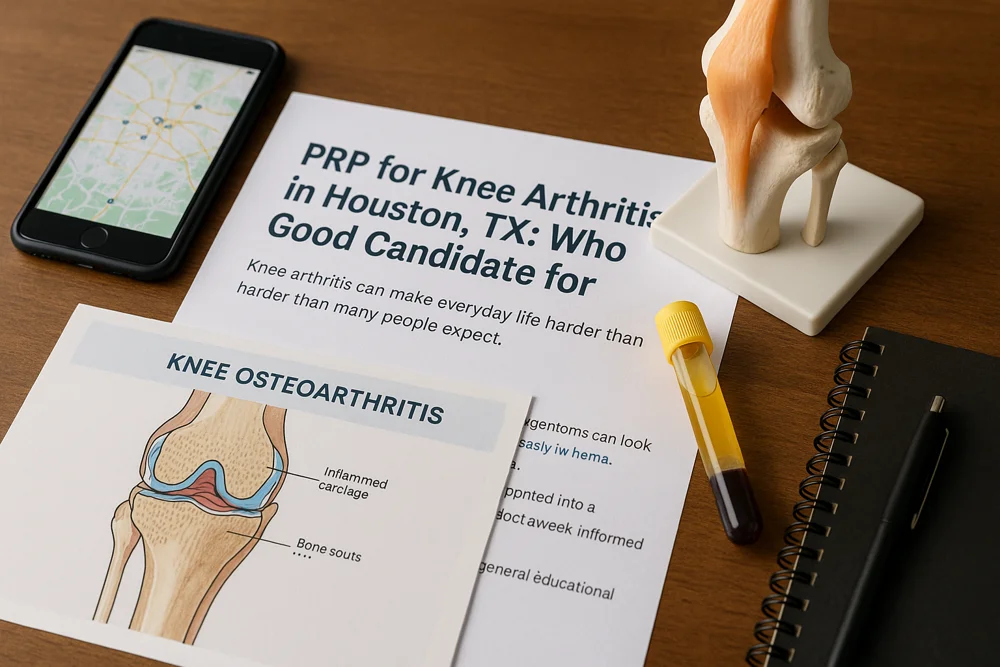
PRP stands for platelet-rich plasma. Platelets are components of your blood involved in clotting and normal healing responses. In PRP therapy, a small amount of your blood is processed so that the platelet portion becomes more concentrated than it is in whole blood. That concentrated plasma is then injected into a specific area of concern.
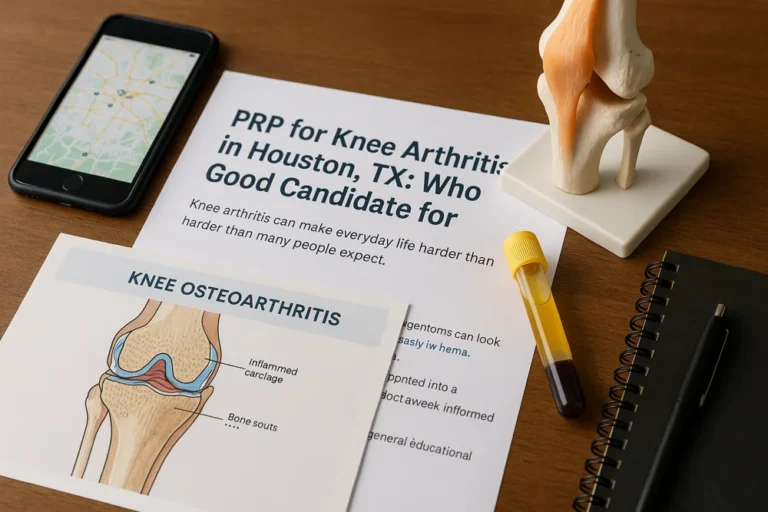
The basic idea behind PRP is to use material derived from your own blood as part of a treatment plan. In clinical practice, PRP may be considered for certain musculoskeletal issues such as tendon problems, joint-related symptoms, ligament irritation, or overuse injuries. Some practices also use PRP for aesthetic or hair-restoration purposes. The exact goals of treatment depend on the body area being addressed and the clinician’s assessment.
Because PRP uses your own blood product, many patients are interested in it as a non-surgical option. Still, it is important to understand that PRP is not the right choice for every person or every diagnosis. A careful evaluation is an important first step.
Who May Be a Candidate for PRP?
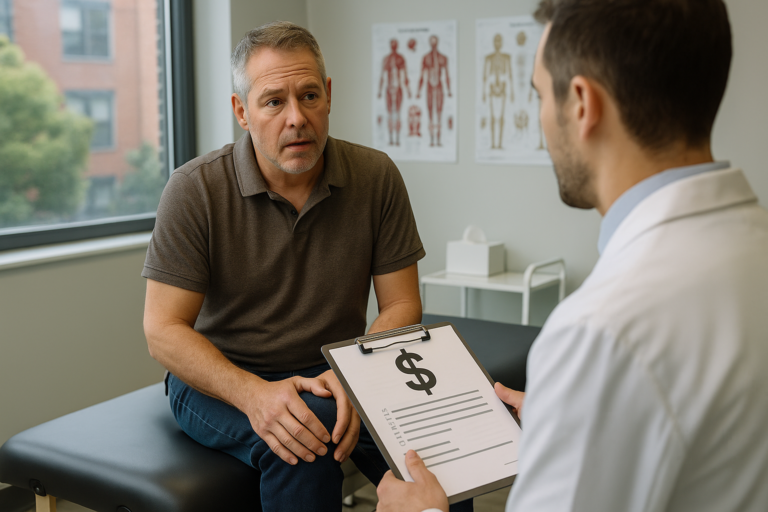
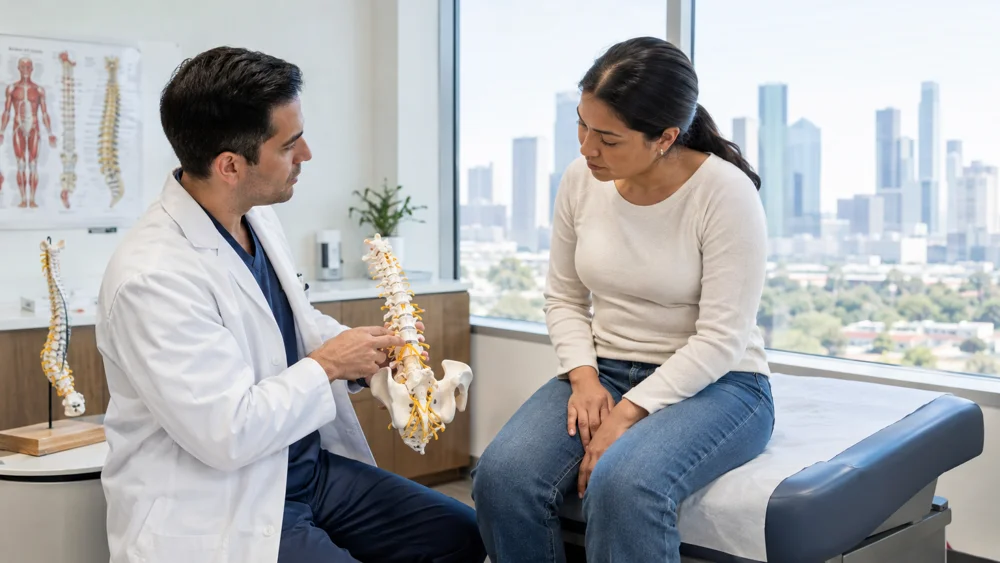
During a platelet rich plasma consultation in Houston, a clinician typically looks at both your symptoms and your overall health. PRP may be discussed for patients who have persistent pain or soft tissue problems that have not improved enough with measures such as rest, activity modification, physical therapy, or other conservative care. In some cases, it may be part of a broader plan rather than a stand-alone solution.
Your clinician may consider factors such as:
- The location and duration of your symptoms
- Whether you have had imaging or a formal diagnosis
- Your activity level, work demands, and treatment goals
- Your medications, including blood thinners or anti-inflammatory drugs
- Your history of bleeding disorders, infection, anemia, or other medical conditions
- Whether you are pregnant, recently ill, or have conditions that affect healing
Some patients are not good candidates for PRP, or they may need additional evaluation before proceeding. That is one reason the consultation matters as much as the injection itself.
What to Expect From PRP Treatment in Houston: The Consultation Visit
For many patients, the first stage of the process is a focused medical evaluation. If you are wondering what to expect from PRP treatment in Houston, the consultation is where most of your important questions should be addressed.
Review of Symptoms and Medical History
Your clinician will usually ask when your symptoms started, what makes them worse or better, what treatments you have already tried, and how your condition affects daily life. Be ready to discuss prior injuries, surgeries, and any relevant test results or imaging.
This is also the time to mention medications and supplements. Certain medications may affect bleeding, inflammation, or platelet function. Your clinician may give you specific instructions about whether to avoid some products before the procedure. Do not stop prescription medications on your own unless a licensed clinician specifically tells you to do so.
Physical Examination
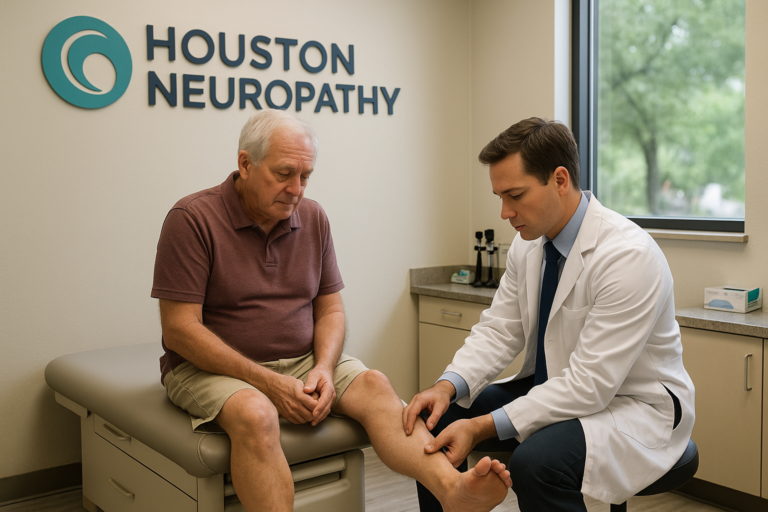
A physical exam helps confirm whether the painful or symptomatic area matches a condition for which PRP may be considered. In orthopedic-style uses, the clinician may assess range of motion, tenderness, swelling, strength, stability, and functional limitations. If the PRP is being considered for another use, the exam will be tailored accordingly.
Discussion of Goals, Benefits, and Limits
PRP is often discussed as one option among several. A responsible consultation should include a realistic conversation about potential benefits, likely timeline, possible discomfort after the injection, and the possibility that you may need other therapies as well. Some people improve after one session, while others may require a series or a different treatment approach depending on the condition being addressed.
The consultation should also clarify that PRP is not an instant fix. Improvement, when it occurs, may take time and often depends on the underlying issue, the treatment site, and whether you follow aftercare instructions.
How to Prepare Before Your PRP Injection Appointment
Preparation instructions can vary by clinic and by the area being treated, but there are some common themes. Asking for written instructions ahead of time is helpful so that you know exactly how to prepare for your PRP injection appointment in Houston, TX.
Common Pre-Appointment Steps
- Stay hydrated unless you are told otherwise. A blood draw is often easier when you are well hydrated.
- Eat as directed by the clinic. Many patients can eat normally, but always follow the instructions you are given.
- Wear comfortable clothing that allows access to the treatment area.
- Bring a list of medications and supplements.
- Ask whether you should avoid certain over-the-counter pain relievers before the procedure.
- Plan for a lighter schedule afterward if the treated area may be sore.
If your treatment area involves a lower-extremity joint or tendon, ask whether you should bring a brace, supportive shoe, or mobility aid. If you are being treated for an upper-extremity issue, you may want to avoid scheduling physically demanding tasks immediately afterward.
PRP Procedure Steps in Houston, TX: What Happens During the Appointment?
Although protocols vary, most PRP visits follow the same general sequence. The appointment length may differ depending on the complexity of the case and whether imaging guidance is used.
| Appointment Stage | What Usually Happens | What Patients Often Notice |
|---|---|---|
| Check-in and review | Consent, symptom review, confirmation of treatment site | Time to ask last-minute questions |
| Blood draw | A small sample of your blood is collected | Brief needle stick similar to routine lab work |
| PRP preparation | The blood is processed to concentrate platelets | Short waiting period while the sample is prepared |
| Injection | The clinician cleans the area and injects the PRP into the target site | Pressure, aching, or brief discomfort can occur |
| Observation and discharge | Aftercare instructions are reviewed | Mild soreness may begin the same day |
1. Check-In, Consent, and Site Verification
When you arrive, you may complete paperwork or review consent forms. The team typically confirms your medical information, treatment area, and any medication changes since your consultation. This is a good time to speak up if you feel ill, have a fever, developed a rash near the injection site, or started a new medication.
2. Blood Draw
The PRP process starts with taking a sample of your blood, usually from a vein in your arm. The amount needed can vary depending on the treatment plan and the system used to prepare the PRP. For most patients, this part feels similar to standard lab work.
If you have ever felt lightheaded during blood draws, tell the staff in advance. They can often help by having you recline, stay hydrated, or rest a little longer before standing.
3. Processing the Blood Sample
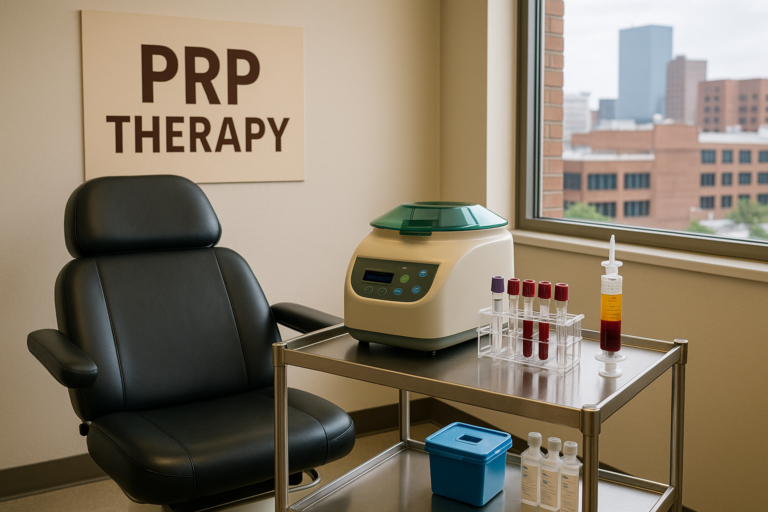
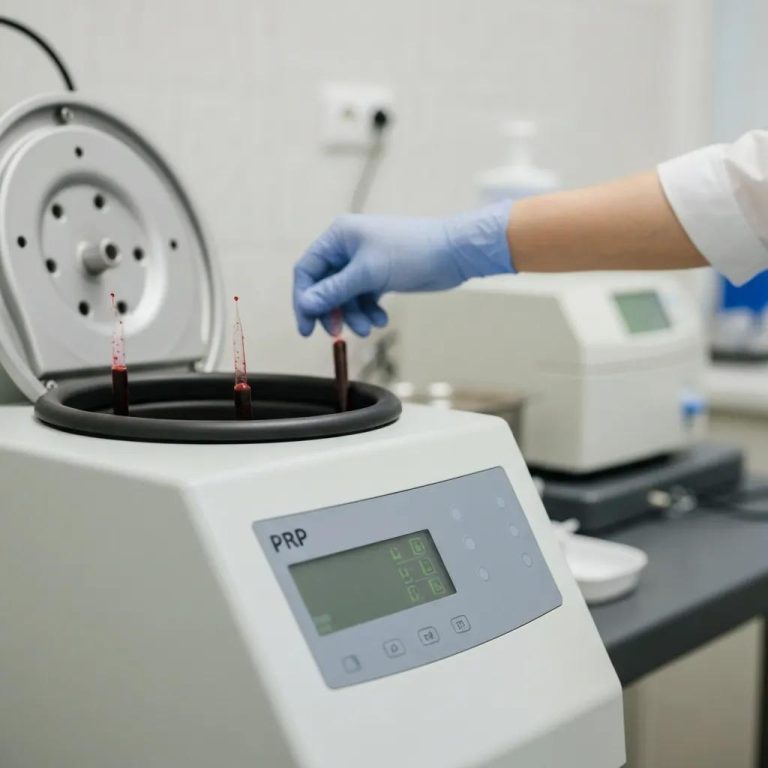
After the blood draw, the sample is placed into a specialized system, often using a centrifuge, to separate and concentrate the platelet-rich portion. This preparation phase usually takes a short period of time. The exact appearance and concentration of the final product can vary based on the technique and equipment used.
During this step, you may simply wait in the exam room or treatment area. Some practices use this time to review aftercare once more so that you know what to do when you go home.
4. Cleaning and Preparing the Injection Site
Before the injection, the skin over the treatment area is cleaned carefully to reduce infection risk. Depending on the area and technique, the clinician may mark the site or use ultrasound guidance to help place the PRP more precisely. Image guidance is often helpful for certain joints, tendons, or soft tissue structures where accuracy matters.
In some cases, a local numbing approach may be discussed, but practices vary. It is reasonable to ask whether numbing medication will be used and whether it could affect the treatment plan.
5. The PRP Injection
The actual injection is usually the part patients are most anxious about. Sensation can vary by body part. Some people feel pressure and only mild discomfort, while others notice sharper soreness or a deeper ache, especially if the area is already inflamed or tender.
The clinician injects the prepared PRP into the target location identified during the evaluation. If the problem area is in a tendon or ligament, the treatment may involve placing the PRP directly into the damaged or irritated tissue. If the area is a joint, the injection is aimed into the joint space. The exact technique depends on the diagnosis and anatomy.
The injection itself may be brief, but it is normal to feel some soreness afterward. For many patients, this post-procedure soreness is more noticeable than the blood draw.
6. Immediate Post-Procedure Review
After the injection, the team will usually monitor you briefly and then give you instructions about activity, pain management, bathing, and follow-up. If you have had lightheadedness or significant discomfort with procedures in the past, let the staff know before you leave.
How Long Does a PRP Appointment Usually Take?
Many PRP visits can be completed in well under two hours, but the total time depends on the complexity of the case, whether ultrasound guidance is used, how many sites are treated, and the clinic’s process for blood preparation. The injection itself is only one part of the appointment. You should leave enough time for check-in, preparation, observation, and a review of discharge instructions.
What Does Recovery Feel Like After PRP?
Recovery can differ depending on the treatment area and your baseline condition. In general, mild to moderate soreness, stiffness, pressure, or swelling can occur after the injection. Some patients feel little change the first day, while others notice an increase in localized discomfort before improvement begins later.
Your clinician may recommend that you limit strenuous activity for a period of time. For orthopedic uses, you may be told to avoid high-impact exercise, heavy lifting, or repetitive stress on the treated area for several days or longer. A gradual return to activity is often part of the plan.
Patients often want to know if they can drive themselves home. In many cases, they can, but this depends on the body part treated, your comfort level, whether sedation was used, and the clinic’s specific instructions. If the injection involves a painful weight-bearing area or if you tend to feel faint after procedures, arranging transportation may be wise.
Short-Term Recovery Expectations
- Soreness at the injection site
- Temporary stiffness or fullness in the area
- Mild swelling or tenderness
- Temporary limits on exercise or sports
- Follow-up instructions that may include physical therapy or home exercises
Because treatment plans vary, always use your own clinician’s instructions rather than relying on general online advice.
Important Aftercare and When to Seek Medical Attention
Good aftercare helps you know what is normal and what is not. Mild soreness is common after an injection, but severe or worsening symptoms should be taken seriously.
Contact a qualified clinician promptly if you develop:
- Fever
- Chills
- Increasing redness, warmth, or drainage at the injection site
- Rapidly worsening swelling
- Severe pain that is not improving
- Numbness, weakness, or trouble moving the treated area
- Shortness of breath, chest pain, or other urgent symptoms
If you have chest pain, difficulty breathing, signs of a severe allergic reaction, or other emergency symptoms, seek urgent medical care right away.
Although serious complications are uncommon with many office-based injections, any procedure that involves a needle and the skin carries some risk. That is why sterile technique, proper evaluation, and clear follow-up instructions are important.
Questions Worth Asking During a Platelet Rich Plasma Consultation in Houston
If you are trying to decide whether to move forward, a few thoughtful questions can make your appointment more productive. Consider asking:
- What diagnosis are you treating with PRP?
- What are the goals of the injection for my specific condition?
- How many treatments might be recommended?
- Will image guidance be used?
- How should I prepare in the days before the procedure?
- What pain or soreness is normal afterward?
- When can I return to work, exercise, or sports?
- What symptoms should prompt me to call the office right away?
These questions can help you better understand what to expect from PRP treatment in Houston and whether the plan fits your needs and schedule.
Setting Realistic Expectations
One of the most important parts of any PRP discussion is setting realistic expectations. PRP is not a one-size-fits-all treatment, and outcomes vary depending on the condition being treated, its severity, your general health, and whether PRP is combined with other therapies. Some people notice gradual improvement over time, while others may need a different approach.
It is also worth remembering that pain relief is not always immediate. In fact, some patients feel temporarily more sore before they feel better. A thoughtful treatment plan should include guidance about activity modification, rehabilitation, and follow-up so that progress can be monitored over time.
Why Understanding the Process Matters
When a treatment is unfamiliar, uncertainty can increase anxiety. Knowing the usual PRP procedure steps in Houston, TX helps you prepare mentally and practically. You know that a blood draw is involved, that there may be a waiting period while the sample is processed, that the injection can cause some temporary soreness, and that aftercare matters.
That understanding can also help you recognize the difference between normal short-term discomfort and symptoms that deserve prompt medical attention. Most importantly, it puts you in a better position to have an informed conversation with a qualified clinician about whether PRP fits your diagnosis and goals.
Conclusion
A PRP injection appointment in Houston, TX typically includes a consultation or treatment review, a blood draw, preparation of platelet-rich plasma, an injection into the targeted area, and clear aftercare instructions. For many patients, the process is simpler than they expected, but it still deserves thoughtful preparation and realistic expectations.
If you are exploring PRP, focus on getting a careful diagnosis, understanding the intended purpose of the injection, and following the guidance given for recovery. A qualified clinician can explain whether PRP makes sense for your situation, what results may be realistic, and how it fits into your broader treatment plan. Used appropriately, PRP may be one part of a personalized strategy to address certain injuries, pain concerns, or tissue-related conditions.