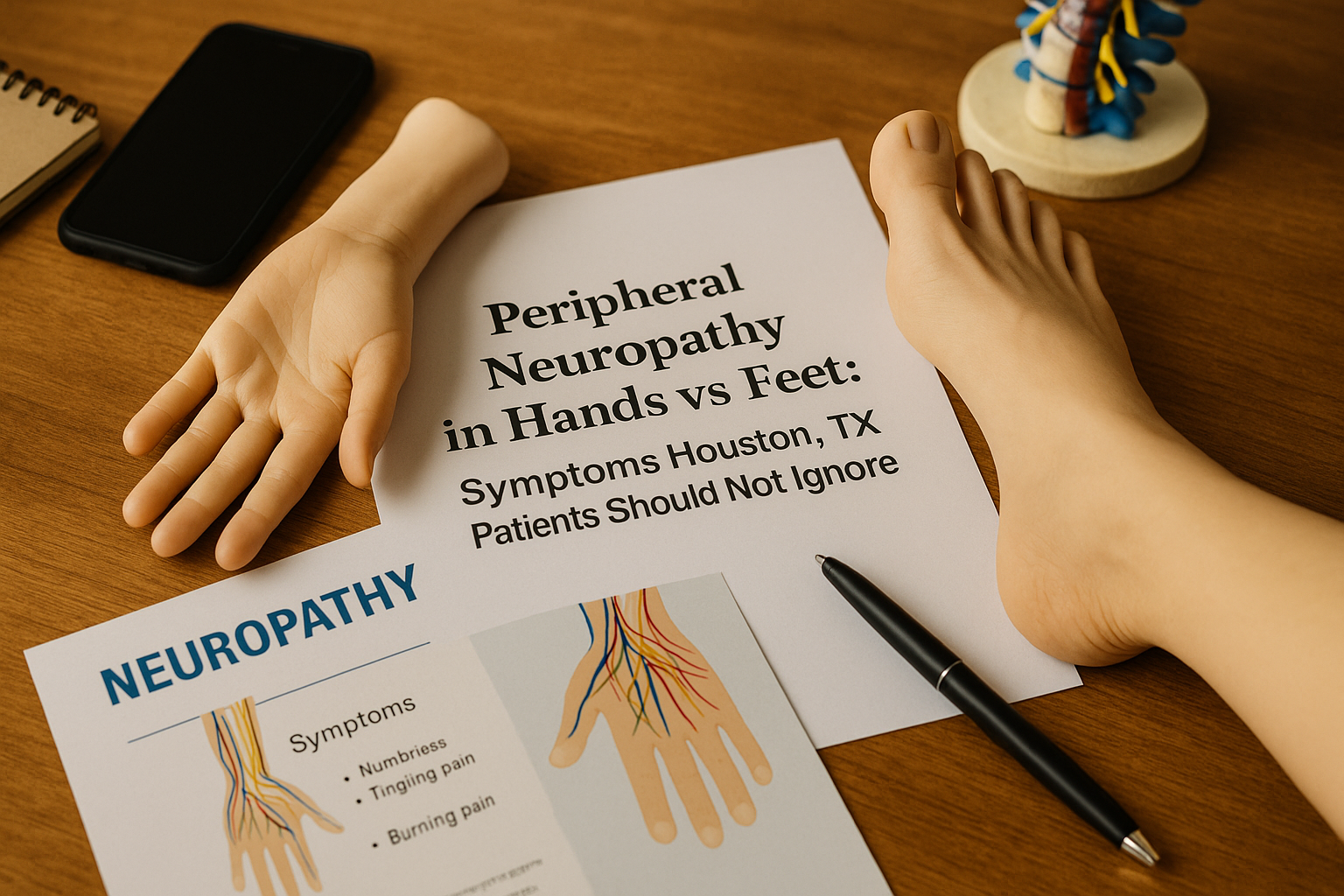
Tingling, burning, numbness, and unusual sensitivity in the feet or legs can be easy to brush off at first. Some people assume they slept in a strange position, walked too much, or are simply getting older. But when these sensations keep coming back, spread, or begin to affect balance and daily comfort, it may be time to look more closely. For many people, these changes are related to nerve dysfunction known as peripheral neuropathy.
If you are considering neuropathy treatment in Houston, knowing what happens during an initial visit can make the process feel far less overwhelming. A first evaluation is not just about identifying where you feel discomfort. It is also about understanding possible causes, how your symptoms are affecting your life, and what next steps may help support function, comfort, and safety.
This guide explains what peripheral neuropathy is, common neuropathy symptoms in feet and legs, what a provider may review during a peripheral neuropathy evaluation, and why early assessment matters. Whether symptoms are mild or have become more disruptive, a clear idea of what to expect can help you prepare for a more productive first appointment at a Houston neuropathy clinic.
Understanding Peripheral Neuropathy
Peripheral neuropathy is a broad term used for damage or dysfunction involving the peripheral nerves. These nerves carry signals between the brain, spinal cord, and the rest of the body. When they are not working properly, communication can become distorted or interrupted. That may lead to changes in sensation, weakness, pain, or problems with coordination.
Neuropathy often affects the feet and legs first because the longest nerves in the body are usually the most vulnerable. Symptoms may begin gradually in the toes, then move upward over time. In some cases, the hands are affected later as well.
There are many possible contributors to peripheral neuropathy. Common examples include diabetes or blood sugar problems, vitamin deficiencies, certain medications, alcohol misuse, metabolic conditions, physical nerve compression, autoimmune disorders, infections, and injury. Sometimes a clear cause is found, and sometimes symptoms are considered idiopathic, meaning no exact cause can be identified despite evaluation.
Because neuropathy is not one single condition with one single cause, the first evaluation is important. Treatment planning depends on the pattern of symptoms, medical history, physical findings, and whether additional testing is needed.
Common Neuropathy Symptoms in Feet and Legs
Many people seeking neuropathy treatment in Houston first notice subtle changes that are easy to dismiss. Over time, those symptoms may become more frequent, more intense, or more disruptive to work, exercise, sleep, and mobility.
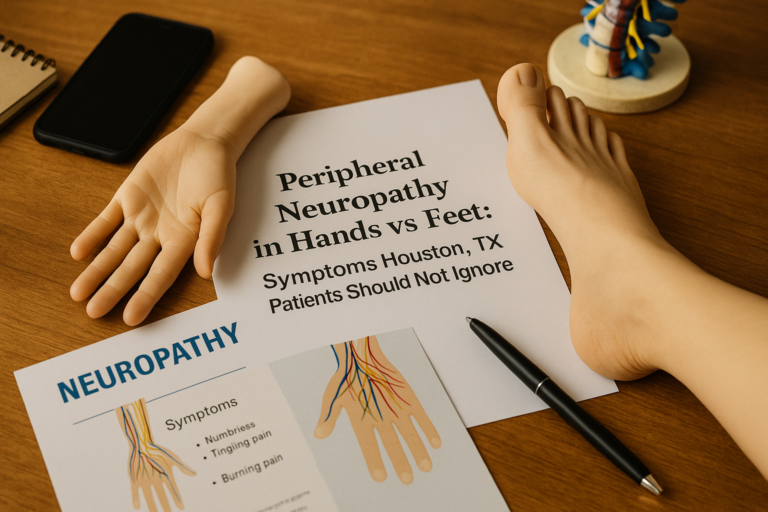
Neuropathy symptoms feet and legs may include:
- Numbness in the toes, feet, ankles, or lower legs
- Tingling or a pins-and-needles sensation
- Burning discomfort, especially at night
- Sharp, shooting, or electric-like pain
- Increased sensitivity to touch
- A feeling of wearing socks when barefoot
- Reduced ability to feel temperature changes
- Muscle weakness or heaviness in the legs
- Cramping or unusual tightness
- Balance problems or feeling unsteady while walking
Symptoms do not always look the same from person to person. One individual may describe a mild but persistent buzzing in the feet. Another may have significant numbness with very little pain. Someone else may notice pain at night but little trouble during the day.
A practical example is a person who starts avoiding evening walks because their feet feel hot, prickly, or unstable after a few blocks. Another example is someone who realizes they cannot tell whether bath water is too hot with the same accuracy as before. These details matter because they help a provider understand how nerve changes are affecting function, safety, and quality of life.
Why It Is Important Not to Ignore Symptoms
Persistent nerve-related symptoms should not be written off as a minor inconvenience. While not every case is an emergency, a timely peripheral neuropathy evaluation can be valuable for several reasons.
Early identification may reveal an underlying cause
In some cases, neuropathy is a sign of a larger health issue that deserves attention, such as blood sugar imbalance, nutritional deficiency, medication-related effects, thyroid dysfunction, or another systemic condition. Identifying these issues early can help shape more appropriate medical care.
Untreated symptoms may affect mobility and safety
When the feet lose normal sensation, people may become more prone to trips, falls, unnoticed injuries, or difficulty walking on uneven ground. If weakness is present, daily tasks can become more challenging over time.
Symptoms can interfere with sleep and routine activities
Burning or tingling often becomes more noticeable at rest, especially at night. Sleep disruption alone can affect mood, focus, and energy during the day.
Accurate diagnosis helps avoid guesswork
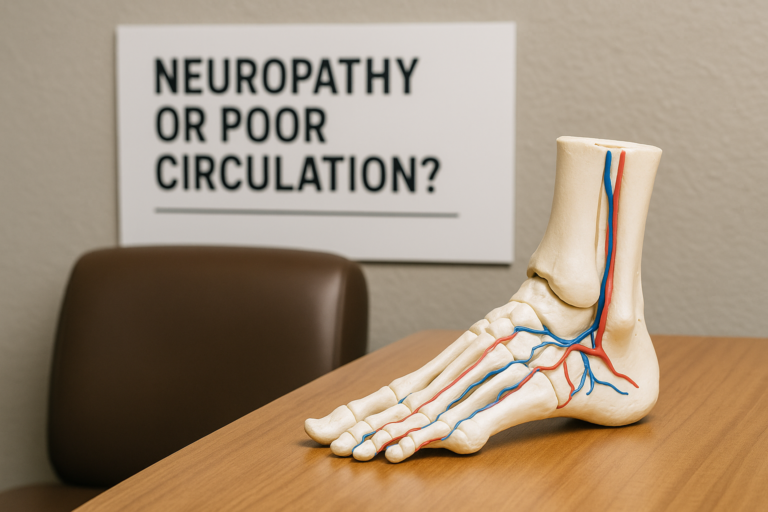
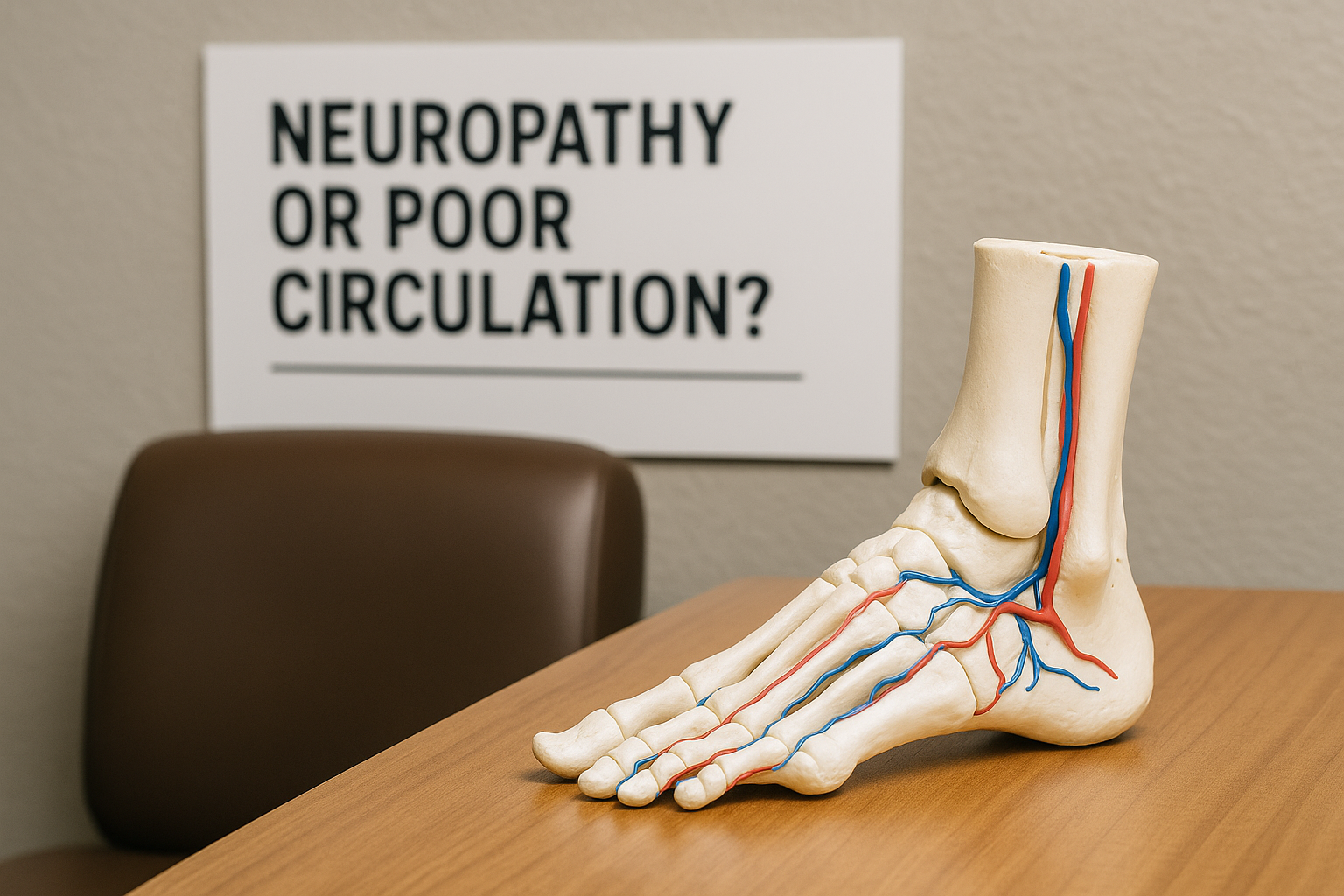
Leg discomfort is not always neuropathy. Circulatory issues, musculoskeletal conditions, spinal problems, and localized nerve compression can cause similar complaints. A structured clinical assessment helps narrow the possibilities.
When to Consider a Peripheral Neuropathy Evaluation
A first evaluation may be worth considering if symptoms last more than a brief period, recur regularly, or begin to affect daily function. You may also want to schedule an evaluation if symptoms seem to be progressing, spreading, or becoming more intense.
Examples of situations that often justify a closer look include:
- Numbness or tingling that persists for weeks
- Burning feet that disrupt sleep
- Repeated balance problems or near-falls
- Pain that feels electrical, stabbing, or unusual compared with ordinary soreness
- Weakness in the ankles or lower legs
- Reduced ability to sense injury, heat, or pressure in the feet
- Symptoms in a person with diabetes, prediabetes, or a history of nerve-related risk factors
If symptoms appear suddenly, become severe quickly, or are associated with major weakness, bowel or bladder changes, chest pain, or other urgent medical concerns, emergency evaluation may be appropriate. In less urgent situations, an outpatient visit at a Houston neuropathy clinic can help determine the likely next steps.
What to Expect at Your First Visit
Your first appointment is usually focused on listening, pattern recognition, and a targeted physical assessment. A provider is trying to answer several important questions: What are the symptoms? When did they begin? What might be contributing to them? How are they affecting movement and daily life? Is the pattern consistent with neuropathy, or should other causes also be considered?
Although each clinic may have its own workflow, most initial visits involve a similar overall process.
1. A detailed conversation about your symptoms
The evaluation typically starts with a health history and discussion of your current concerns. Expect questions about what you feel, where you feel it, when it started, and whether it is changing over time.
You may be asked:
- Is the problem numbness, tingling, burning, pain, weakness, or a combination?
- Did symptoms start in one foot or both?
- Do they stay in the toes or move up the legs?
- Are symptoms constant or intermittent?
- Do they worsen at night, with activity, or when resting?
- Have you noticed tripping, loss of balance, or trouble driving or walking?
- Have you had any recent injuries, illnesses, or medication changes?
This part of the visit may seem simple, but it is one of the most useful parts of the evaluation. The exact pattern of symptoms often provides important clues.
2. Review of your medical history
A provider will usually ask about current and past health conditions that can be linked to nerve symptoms. This can include diabetes, thyroid disease, autoimmune conditions, kidney issues, back problems, previous surgeries, cancer treatment, alcohol use, infections, and family history of neuropathy or neurological disorders.
Medication and supplement history also matters. Certain medications can affect the nerves, and some supplements or deficiencies may influence symptoms. A good medication review helps place your symptoms in the proper context.
3. Discussion of how symptoms affect daily life
Neuropathy is not assessed by pain level alone. Functional impact matters too. During a peripheral neuropathy evaluation, the provider may ask how symptoms affect walking, exercise, work demands, driving, sleep, stairs, hobbies, or household tasks.
For example, someone with mild pain but severe numbness may have more safety concerns than someone with intermittent tingling. A person who cannot feel the floor well when stepping out of bed may need a different care approach than someone whose main complaint is evening burning after standing all day.
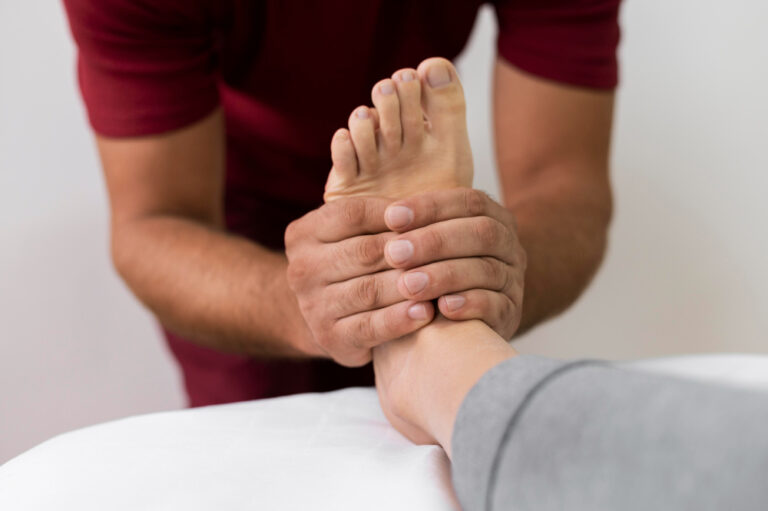
4. Physical examination
The physical exam is often focused on the legs, feet, reflexes, muscle strength, balance, and sensation. Depending on the provider and setting, the exam may include:
- Checking skin condition, foot structure, and circulation-related observations
- Testing light touch or pressure sensation
- Assessing the ability to detect vibration or temperature changes
- Testing reflexes at the ankles or knees
- Evaluating muscle strength and coordination
- Watching how you stand, walk, turn, or maintain balance
- Looking for signs that symptoms may relate to the spine, joints, or local nerve compression
This examination helps identify whether symptoms fit a typical neuropathy pattern and whether there are signs of weakness, asymmetry, or another condition that may require further investigation.
5. Review of possible contributing factors
After the history and exam, the provider may discuss possible explanations for your symptoms. Sometimes the pattern is strongly suggestive of peripheral neuropathy. In other cases, the provider may explain that while neuropathy is possible, additional medical assessment may be needed to distinguish it from circulation issues, lumbar spine problems, or another source of leg discomfort.
The goal of this discussion is not to guess. It is to create a reasoned clinical impression based on available findings and to identify what information is still needed.
6. Recommendations for next steps
At the end of the first visit, you will usually receive guidance about what may come next. Depending on the situation, recommendations may include additional diagnostic workup through appropriate medical channels, monitoring of symptoms, supportive care strategies, or a treatment plan tailored to your presentation.
Because neuropathy can have many causes, next steps vary from person to person. One patient may need further medical testing to look for underlying contributors. Another may primarily need help addressing function, discomfort, and daily symptom management.
How to Prepare for Your First Evaluation
A little preparation can make your appointment more useful and efficient. If you are visiting a Houston neuropathy clinic for the first time, consider bringing a short written record of what you have been experiencing.
Helpful items to prepare include:
- When symptoms started
- Where symptoms occur and whether they spread
- What they feel like, such as numbness, burning, tingling, or weakness
- What makes them better or worse
- Whether symptoms are worse in the morning, evening, or during activity
- A list of medications and supplements
- Relevant medical conditions or recent health changes
- Any questions you want answered during the visit
If balance is a concern, wear shoes that are easy to walk in and avoid minimizing symptoms out of habit. Even small details can be important. Saying, for example, “I no longer trust my footing on stairs” provides more useful clinical information than simply saying, “My feet feel strange sometimes.”
What a Provider May Look for During the Evaluation
During a peripheral neuropathy evaluation, providers often try to identify patterns that help distinguish neuropathy from other conditions. A few examples include:
Symmetry
Peripheral neuropathy often affects both feet in a relatively similar pattern, especially when related to metabolic or systemic causes. If symptoms are only on one side, a provider may also consider localized compression or another issue.
Length-dependent pattern
Many neuropathies start in the toes and gradually move upward. This “stocking” distribution is a common clue. Symptoms that begin in the back, hip, or one leg and travel downward may suggest an additional or alternate source that needs attention.
Sensory versus motor involvement
Some people mainly have sensory symptoms such as burning and numbness. Others also have weakness, reduced reflexes, or changes in coordination. The combination can influence the overall assessment and recommendations.
Severity and function
Two people can describe similar sensations but have very different levels of impairment. The provider will likely consider whether symptoms are inconvenient, limiting, or creating meaningful safety concerns.
Possible Testing After the Initial Visit
Not every patient needs the same testing, and some evaluations are primarily clinical at first. However, when the cause is unclear or additional information is needed, providers may recommend further diagnostic steps through appropriate medical pathways. Depending on the situation, that may include laboratory testing, imaging, or nerve-related studies ordered by the appropriate clinician.
The purpose of testing is usually to answer questions such as:
- Is there an underlying metabolic, nutritional, inflammatory, or endocrine issue?
- Are symptoms more likely related to peripheral nerves, the spine, or another structure?
- Is the pattern stable, progressive, or atypical?
Testing decisions are individualized. A mild, classic pattern in someone with a known risk factor may be approached differently than rapidly changing symptoms in someone without an obvious explanation.
Treatment Planning After Evaluation
People often search for neuropathy treatment in Houston because they want to know not only what is wrong, but also what can realistically be done about it. The answer depends on the findings from the initial evaluation.
In general, treatment planning may focus on one or more of the following goals:
Addressing contributing factors
If an underlying issue is identified, part of care may involve appropriate medical management of that condition. Examples can include attention to blood sugar control, nutritional issues, medication review, or follow-up for another medical concern identified during evaluation.
Improving comfort
Symptom management may be part of the plan, particularly if pain, burning, or nighttime discomfort are affecting daily life. The best approach varies based on individual needs and the broader medical picture.
Supporting function and mobility
When neuropathy affects walking, balance, or confidence on your feet, functional support becomes especially important. Strategies may focus on maintaining safe movement, reducing fall risk, and preserving day-to-day independence.
Monitoring progression
Some patients need periodic reassessment to track whether symptoms are stable, improving, or worsening. Changes over time can provide important clues and help guide future care decisions.
Important Considerations for Feet and Lower-Leg Symptoms
Because neuropathy symptoms in feet and legs can reduce normal sensation, people may not notice small injuries or pressure points as quickly as they used to. This makes self-awareness especially important.
General protective habits may include:
- Checking the feet regularly for blisters, cuts, redness, or irritation
- Wearing supportive shoes that fit well
- Being careful around hot surfaces or hot water if temperature sensation seems reduced
- Keeping walking paths at home clear if balance feels less reliable
- Paying attention to new weakness, swelling, or sudden changes in symptoms
These steps do not replace medical evaluation, but they can help reduce day-to-day risks while the underlying issue is being assessed.
Benefits of a Clear, Structured First Evaluation
One of the most valuable aspects of an initial visit is clarity. Nerve symptoms can be unsettling because they are often hard to describe and easy to second-guess. A proper evaluation helps organize what you are experiencing into a more understandable clinical picture.
Benefits of that process may include:
- A more informed understanding of whether symptoms are consistent with neuropathy
- Identification of signs that point toward a possible underlying cause
- Recognition of safety issues such as weakness or balance loss
- A better foundation for deciding on next steps
- Reduced uncertainty about whether symptoms should be monitored, worked up further, or addressed with a treatment plan
For many patients, simply having a provider listen carefully and assess the full picture is an important step forward. It turns vague concern into a more structured plan.
What Patients Often Learn at the First Appointment
Even before all questions are answered, a first visit often helps patients better understand their symptoms. They may learn that the pattern is compatible with peripheral neuropathy, that some symptoms point toward another possible source, or that a combination of factors may be involved.
Patients also often realize that symptoms they considered minor are clinically meaningful. For example, difficulty sensing the floor, needing to look down while walking, or avoiding dark parking lots because of unstable footing can be important parts of the story. These details help shape a more complete evaluation than pain alone ever could.
Another common takeaway is that a thorough assessment is rarely just about one symptom. It is about function, cause, risk, and quality of life together.
Choosing the Right Time to Seek Care
People do not always seek evaluation right away. Some wait because symptoms come and go. Others assume the issue is circulation, age, or simple overuse. While every situation is different, it is wise to pay attention when symptoms become persistent, progressive, or disruptive.
A good rule of thumb is to seek care when nerve-related changes are no longer occasional background annoyances. If numbness, tingling, burning, or instability is affecting how you sleep, walk, exercise, or move through the day, an evaluation can provide direction.
For people in the Houston area, starting with a careful assessment at a Houston neuropathy clinic can be a practical first step toward understanding what is happening and what options may be appropriate.
Conclusion
Neuropathy symptoms can be frustrating because they are often subtle at first but increasingly disruptive over time. Numbness, burning, tingling, weakness, and balance changes in the feet and legs should not be ignored when they persist or begin to affect daily life. A first peripheral neuropathy evaluation is designed to do more than confirm discomfort. It helps identify symptom patterns, review possible contributing factors, assess function and safety, and outline sensible next steps.
If you are exploring neuropathy treatment in Houston, knowing what to expect can help you arrive more prepared and more confident. A thoughtful first visit typically includes a detailed symptom history, medical review, physical examination, and a discussion of likely causes and options for further assessment or care. That process can bring much-needed clarity to symptoms that may otherwise feel confusing or unpredictable.
The key takeaway is simple: ongoing neuropathy symptoms in feet and legs deserve attention. A structured evaluation provides the foundation for better understanding, more informed decisions, and a more focused plan moving forward.