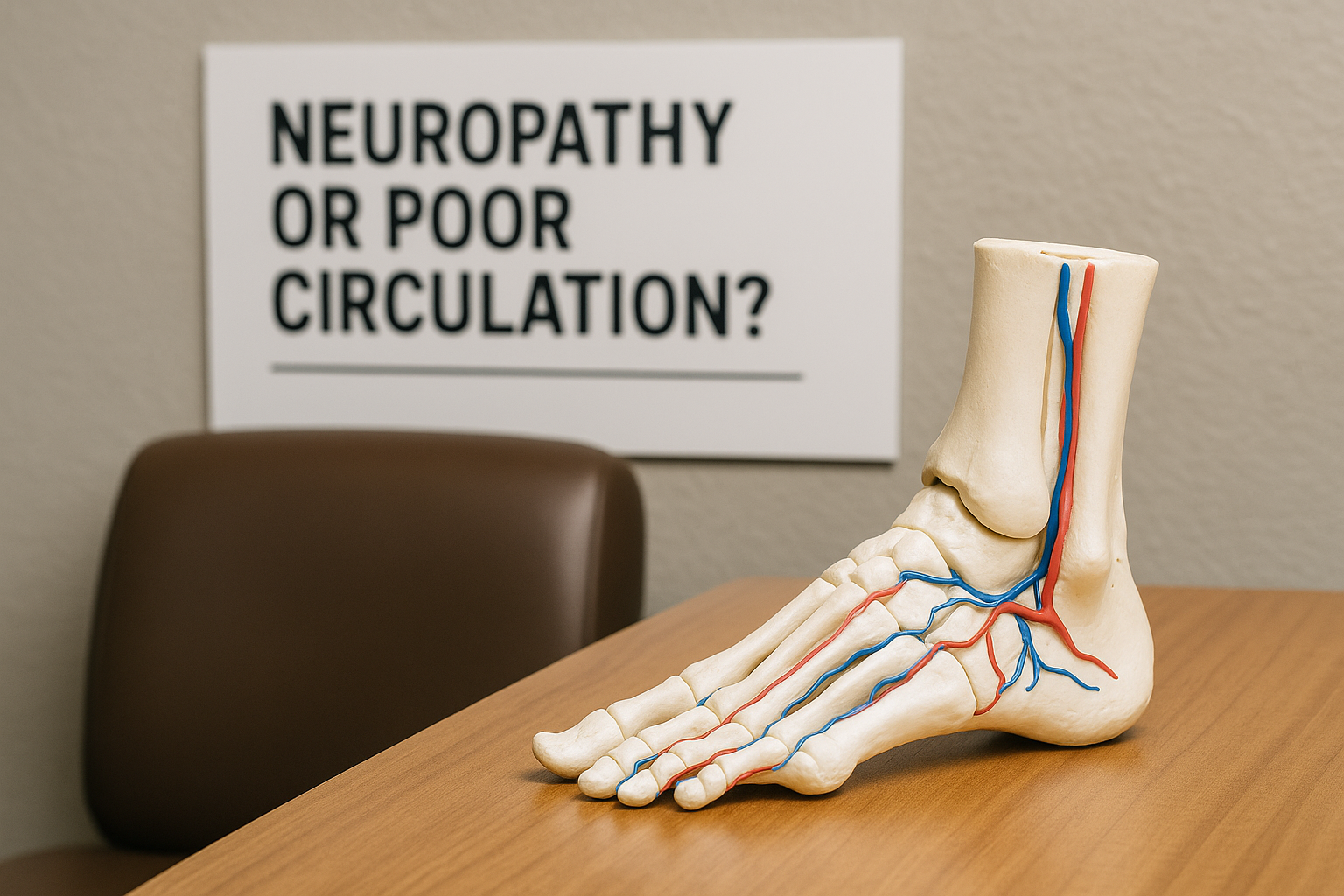
Joint and tendon pain can make everyday activities feel harder than they should. Walking up stairs, getting out of a chair, lifting groceries, reaching overhead, exercising, or even typing for long periods may become uncomfortable when inflammation or tissue damage persists. For many people in Houston, TX, the goal is not simply to mask symptoms for a few hours, but to find a treatment approach that supports healing and helps restore function.
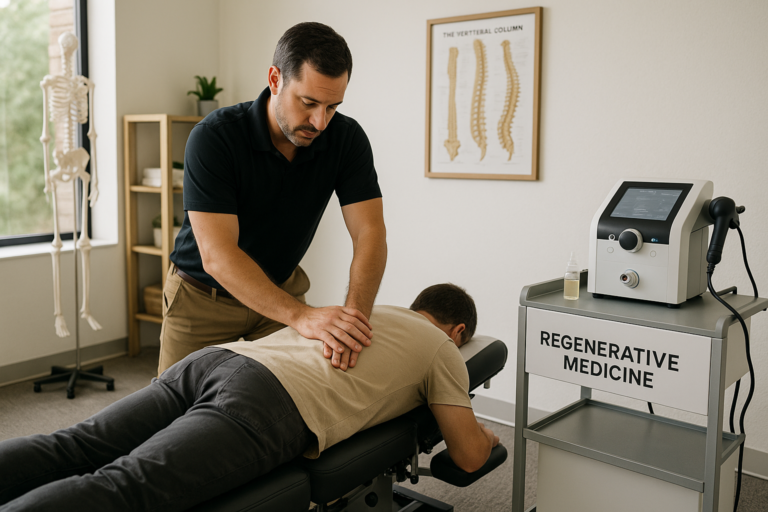
One option that has drawn growing interest is PRP treatment in Houston, TX. Platelet-rich plasma, often called PRP, is a non-surgical therapy that uses components from a patient’s own blood to support the body’s natural repair response. It is commonly discussed for orthopedic and musculoskeletal issues, especially when pain involves joints, tendons, ligaments, or overuse injuries.
If you are exploring platelet rich plasma for joint pain or looking into PRP for tendon pain in Houston, it helps to understand which conditions may be appropriate, how treatment works, and what factors matter when deciding whether this approach fits your needs. Below is a closer look at the types of joint and tendon problems PRP may be used to address.
What Is PRP and How Does It Work?
PRP stands for platelet-rich plasma. Platelets are blood components best known for helping with clotting, but they also contain growth factors and signaling proteins involved in tissue repair. During treatment, a sample of blood is drawn and processed to concentrate the platelets into a smaller volume of plasma. That concentrated solution is then injected into the area being treated.
The idea behind non-surgical PRP therapy in Houston, TX is to deliver a higher concentration of healing-related components directly to tissue that is irritated, damaged, or slow to recover. In musculoskeletal care, PRP is often considered when pain is linked to chronic degeneration, mild to moderate injury, or overuse rather than a major structural problem requiring surgery.
PRP is not a one-size-fits-all solution. Some conditions respond better than others, and patient selection matters. The exact severity of the injury, how long symptoms have been present, the health of the tissue, activity level, and overall medical history can all influence whether PRP is a reasonable option.
Joint Conditions PRP May Help Treat
PRP is often used for certain painful joint conditions, especially when conservative care has not provided enough relief. It is generally considered as part of a broader treatment plan rather than a stand-alone cure.
Knee Osteoarthritis
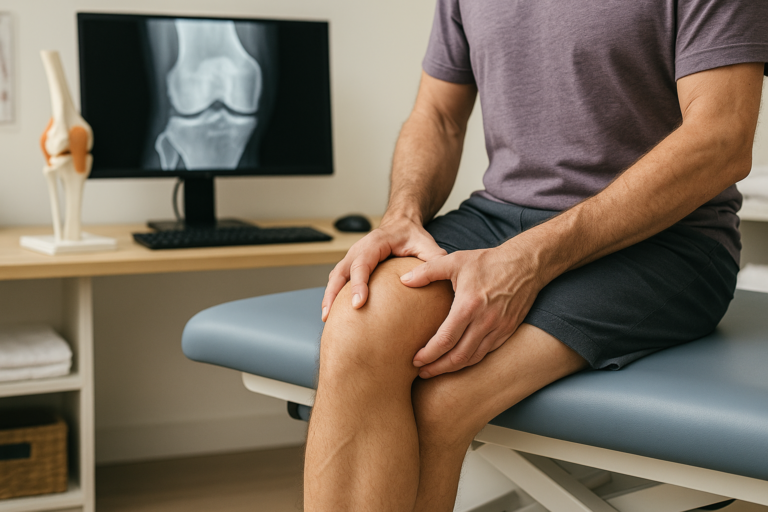
Knee osteoarthritis is one of the most common reasons patients ask about PRP treatment in Houston, TX. Osteoarthritis develops when the cartilage in the joint gradually wears down, leading to pain, stiffness, swelling, and reduced mobility. Patients may notice discomfort with walking, standing, squatting, using stairs, or after long periods of sitting.
PRP may be considered for mild to moderate knee osteoarthritis, particularly in patients who want to stay active and are looking for a non-surgical option before considering more invasive procedures. While PRP does not reverse advanced arthritis, it may help reduce pain and improve function in appropriately selected patients.
For example, someone with ongoing knee pain during weekend runs, gym workouts, or daily errands may be evaluated for PRP if rest, activity modification, and standard conservative care have not provided lasting progress.
Hip Osteoarthritis
The hip is another joint where degeneration can create persistent pain and stiffness. Hip osteoarthritis often causes discomfort in the groin, outer hip, buttock, or thigh. It may interfere with walking, sleeping, getting in and out of the car, or changing direction quickly.
In some cases, platelet rich plasma for joint pain may be considered for hip symptoms, especially when inflammation and early degenerative changes are contributing to reduced function. Because the hip is a deeper joint, image-guided injection is often important for accurate placement.
Shoulder Joint Pain and Degenerative Irritation
Shoulder pain is not always caused by the joint itself, but when the glenohumeral joint is irritated or degenerative changes are present, PRP may be discussed as a possible treatment option. Patients often report pain with overhead activity, reaching behind the back, lifting objects, or sleeping on the affected side.
PRP may be considered when shoulder pain is related to mild arthritic changes or soft tissue involvement around the joint, particularly when symptoms have become chronic and daily movement is limited.

Mild to Moderate Joint Inflammation from Overuse
Not all joint pain is advanced arthritis. In some patients, repetitive stress, sports activity, physically demanding work, or biomechanical strain can create ongoing irritation in a joint. This may happen in the knees, shoulders, elbows, ankles, or other areas that experience repeated loading.
When standard non-operative measures do not fully resolve symptoms, non-surgical PRP therapy in Houston, TX may be considered as part of a strategy focused on reducing pain and supporting tissue recovery.
Tendon Conditions PRP May Help Treat
Tendons connect muscle to bone. Because some tendons have limited blood supply, they may heal slowly, especially after chronic overuse. PRP is frequently discussed for tendon disorders because many of these conditions involve degeneration rather than just short-term inflammation.
Tennis Elbow
Tennis elbow, or lateral epicondylitis, affects the tendons on the outside of the elbow. Despite the name, it does not only affect tennis players. It is common in people who repeatedly grip, lift, type, use tools, or perform repetitive arm movements. Symptoms may include aching on the outside of the elbow, weak grip strength, and pain when lifting or twisting the wrist.
This is one of the most widely recognized uses of PRP for tendon pain in Houston. PRP may be considered when symptoms have lasted for months and have not improved enough with rest, bracing, therapy, or activity modification.
Golfer’s Elbow
Golfer’s elbow, or medial epicondylitis, involves the tendons on the inner side of the elbow. It may occur in golfers, weightlifters, manual laborers, and anyone who repeats forceful wrist flexion or gripping. Pain often appears with lifting, carrying, or wrist motion.
Because this condition can become chronic, PRP may be part of a treatment plan for persistent tendon irritation that limits performance at work, in sports, or during household activities.
Patellar Tendinopathy
The patellar tendon connects the kneecap to the shinbone and plays a major role in jumping, running, and squatting. Patellar tendinopathy, sometimes called jumper’s knee, commonly affects athletes and active adults. Pain is usually felt at the front of the knee, especially during jumping, sprinting, stairs, lunges, or prolonged training.
PRP may be considered when the tendon shows signs of chronic overload and recovery has stalled. In this setting, treatment is often paired with a structured rehabilitation program to improve tendon loading mechanics and lower the risk of recurrence.
Achilles Tendinopathy
The Achilles tendon is one of the most heavily used tendons in the body. It absorbs large amounts of force during walking, running, and sudden acceleration. Overuse, tight calf muscles, training errors, poor footwear, or age-related degeneration can all contribute to Achilles tendinopathy.
Patients often report stiffness in the morning, pain during activity, tenderness along the tendon, or thickening in the affected area. PRP treatment in Houston, TX may be discussed for chronic Achilles tendon pain that has not improved adequately with standard conservative care.
Rotator Cuff Tendinopathy
The rotator cuff includes a group of tendons that stabilize the shoulder and help with lifting and rotation. These tendons are prone to irritation, strain, and degeneration, especially with repetitive overhead activity or age-related wear.
Rotator cuff tendinopathy may cause shoulder weakness, pain with reaching, discomfort at night, and reduced range of motion. In select cases, PRP may be considered when imaging and clinical evaluation suggest tendon degeneration without a full-thickness injury requiring a different treatment approach.
Gluteal Tendinopathy
Gluteal tendinopathy affects tendons on the outside of the hip and can cause pain with walking, climbing stairs, standing on one leg, or lying on the affected side. It is often mistaken for bursitis, but tendon degeneration may be a major contributor.
PRP may be considered in chronic cases where persistent lateral hip pain limits daily movement and exercise tolerance.
Hamstring Tendon Injury
Hamstring tendon problems can occur after sports injuries, repetitive sprinting, or chronic strain near the sitting bone or behind the knee. Symptoms may include pain with acceleration, stretching, or prolonged sitting.
When the issue becomes stubborn and conservative care alone is not enough, PRP may be evaluated as part of a non-surgical treatment plan.
Plantar Fascia and Related Overuse Conditions
Although the plantar fascia is not technically a tendon, it behaves similarly in chronic overuse injuries. Patients with persistent heel pain that does not respond to standard treatment sometimes ask about PRP because the underlying issue can involve degeneration rather than only inflammation.
This reflects an important point: PRP is often considered for soft tissue conditions that have become chronic and slow to heal, especially where repetitive strain is involved.
Who May Be a Good Candidate for PRP?
Many people looking into non-surgical PRP therapy in Houston, TX are trying to stay active while avoiding or delaying surgery. Good candidates are often those who:
- Have chronic joint or tendon pain that has not improved enough with conservative care
- Have mild to moderate degeneration rather than a severe structural tear or advanced joint destruction
- Want a treatment approach that uses the body’s own biologic material
- Are willing to follow activity restrictions and rehabilitation recommendations after the procedure
- Have realistic expectations about gradual improvement rather than immediate results
A thorough medical evaluation is important because not every painful condition is appropriate for PRP. For instance, complete tendon ruptures, unstable joints, severe arthritis, fractures, infections, or some systemic health issues may require a different approach.
Benefits of PRP for Joint and Tendon Pain
People considering platelet rich plasma for joint pain or tendon problems are often drawn to several potential advantages.
Non-Surgical Approach
PRP is generally performed in an outpatient setting and does not involve major incisions or hospital-based surgery. For many patients, that makes it an appealing option when they want to explore less invasive care first.
Uses the Patient’s Own Blood Components
Because PRP is prepared from the patient’s own blood, it is different from treatments that introduce synthetic or donor-based substances. This is one reason many patients are interested in biologic therapies.
Targets the Affected Area
PRP is injected into the specific joint or tendon being treated, often with image guidance. This localized approach is designed to focus treatment where symptoms and tissue changes are present.
May Support Healing in Chronic Soft Tissue Problems
Some tendon conditions are difficult to resolve because they involve long-term tissue breakdown and poor healing response. PRP is often considered in these cases because it aims to support the body’s repair process rather than simply covering up discomfort.
Can Be Part of a Broader Recovery Plan
PRP works best when integrated with the right diagnosis, movement correction, physical therapy, strengthening, and activity management. That makes it useful for patients who want a more complete plan for returning to function.
Important Considerations Before Treatment
Although PRP has become a popular option, it is important to approach it thoughtfully.
Diagnosis Matters
Joint pain and tendon pain can have many causes. For example, shoulder pain may come from rotator cuff issues, arthritis, labral injury, bursitis, neck referral, or a combination of problems. Knee pain may result from tendon overload, cartilage wear, ligament injury, meniscus pathology, or poor movement mechanics. PRP should be based on an accurate diagnosis, not just the location of the pain.
Results Are Not Instant
Unlike treatments that may provide short-term symptom suppression, PRP is intended to support a healing response that takes time. Patients typically need patience, as improvement may occur gradually over weeks or months depending on the condition being treated.
Rehabilitation Is Often Essential
For tendon conditions especially, the injection itself is only part of the process. Targeted rehabilitation helps the tissue adapt, improve strength, and tolerate loading again. Skipping this step may limit the overall benefit.
Severity of Damage Affects Outcomes
PRP may be more appropriate for some stages of disease or injury than others. A mildly degenerated tendon is different from a completely torn tendon. Early to moderate arthritis is different from advanced bone-on-bone joint damage. Clinical judgment is essential.
Medication and Health History Need Review
Before treatment, a provider may review medications, bleeding risk, recent steroid use, overall health status, and medical conditions that could affect healing. This helps determine safety and whether PRP is the right fit.
What to Expect During the PRP Process
Patients interested in PRP treatment in Houston, TX often want to know what the process generally involves. While details vary by clinic and condition, treatment usually begins with an evaluation, physical examination, and sometimes imaging review. If PRP is appropriate, a blood sample is drawn and processed to isolate the platelet-rich portion.
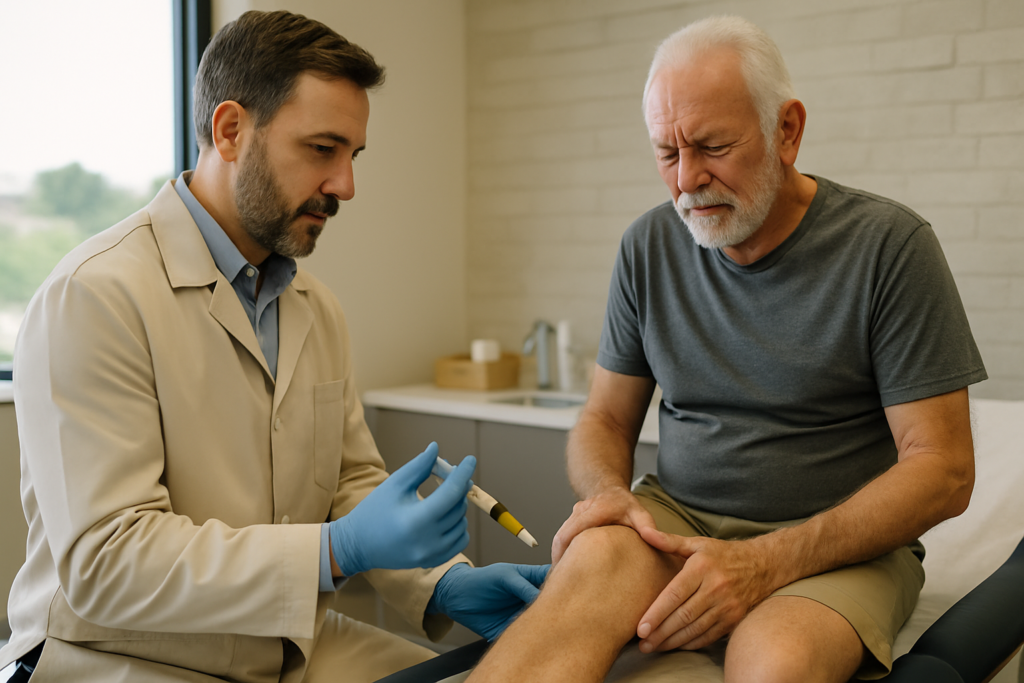
The PRP is then injected into the joint or tendon being treated. Many providers use ultrasound or other imaging guidance for precision, particularly in tendons or deeper joints. Some soreness after the procedure is common, as the area may become temporarily more irritated before improvement begins.
Patients are usually given instructions on modifying activity, avoiding certain medications if advised, and gradually returning to exercise. Follow-up care often includes a rehabilitation plan tailored to the injured area.
Why Houston Patients Often Consider PRP for Active Lifestyles
In a large, active city like Houston, many adults want to keep moving despite nagging joint or tendon pain. Some want to continue recreational sports, running, cycling, golf, tennis, or strength training. Others simply want to handle work demands, family responsibilities, commuting, and daily exercise with less pain.
That is why interest in PRP for tendon pain in Houston and other orthopedic issues continues to grow. Patients are often looking for ways to support recovery without immediately turning to surgery, especially when their condition is chronic but still manageable with the right treatment strategy.
For an office worker, PRP may be part of a plan for persistent elbow or shoulder pain caused by repetitive strain. For a runner, it may be considered for chronic Achilles or patellar tendon pain. For an older adult with early osteoarthritis, it may be one option to discuss when stiffness and activity-related pain begin affecting quality of life.
Conclusion
PRP can be a valuable option for selected patients dealing with chronic joint and tendon pain. Conditions commonly considered for treatment include knee and hip osteoarthritis, shoulder joint irritation, tennis elbow, golfer’s elbow, patellar tendinopathy, Achilles tendinopathy, rotator cuff tendinopathy, gluteal tendinopathy, and other overuse-related soft tissue problems. In the right setting, non-surgical PRP therapy in Houston, TX may help reduce pain, support healing, and improve function.
Still, PRP is not appropriate for every condition or every patient. The best results start with a clear diagnosis, realistic expectations, and a comprehensive treatment plan that may include rehabilitation and activity modification. If you are exploring platelet rich plasma for joint pain or considering PRP treatment in Houston, TX, the most important next step is a professional evaluation to determine whether your specific joint or tendon problem is a good match for this therapy.