If you are considering a non-surgical approach for ongoing joint, tendon, muscle, or spine-related discomfort, your first regenerative medicine consultation is an important step. Many people arrive at this appointment hopeful but unsure about what to bring, what to say, or what to expect at a pain clinic visit. A little preparation can make the consultation more productive and help you leave with a clearer understanding of your options.
Regenerative medicine focuses on supporting the body’s healing processes and is often discussed alongside broader pain management and orthopedic care. Because each person’s condition, medical history, and goals are different, the first visit is usually centered on evaluation, education, and planning rather than immediate treatment. If you are searching for a regenerative medicine consultation in Houston, knowing how to prepare can help you make the most of your time with a Houston regenerative medicine doctor.
This guide explains what typically happens during a non-surgical pain consultation, what information to gather in advance, and how to think through your questions and goals before the appointment.
Why preparation matters before a regenerative medicine consultation
A consultation works best when the physician has a complete picture of your symptoms, past care, daily limitations, and overall health. Pain conditions can be complex. Two people with knee pain, for example, may have very different causes, severity, and treatment histories. One may have an overuse injury from exercise, while another may be dealing with long-term degenerative joint changes.
When you prepare in advance, you make it easier for the doctor to identify patterns, review what has or has not helped, and decide whether regenerative medicine may be worth discussing further. Preparation also helps you avoid forgetting important details during the visit. Many patients remember their symptoms generally, but not always the timeline, prior imaging results, medications tried, or activities that trigger flare-ups.
In practical terms, being organized can support a better conversation about diagnosis, treatment suitability, and realistic next steps.
Understand the purpose of the first appointment
Before you go, it helps to know what the consultation is designed to accomplish. A first-time regenerative medicine consultation in Houston is commonly focused on assessment. The clinician will usually want to understand the source of your pain or functional problem, review your history, examine the affected area, and determine whether additional imaging or more conservative measures should be considered.
This means the appointment may not be a same-day procedure visit. In many cases, the physician must first confirm whether you are a reasonable candidate for any regenerative therapy and whether another explanation for your symptoms needs attention. Some patients benefit from rehabilitation, medication adjustments, activity changes, or a referral for another type of evaluation before any procedure is discussed seriously.
Seeing the visit as an information-gathering and decision-making appointment can help set appropriate expectations and reduce anxiety.
Gather your medical records and imaging
One of the most useful things you can do before a non-surgical pain consultation is collect relevant medical information. This may include:
- Recent imaging reports such as X-rays, MRI scans, CT scans, or ultrasound results
- Procedure notes from prior injections or treatments
- Clinic notes from orthopedic, pain management, primary care, sports medicine, neurology, or physical therapy visits
- A current medication list, including over-the-counter pain relievers and supplements
- A summary of past surgeries, injuries, and chronic medical conditions
If possible, bring both written reports and access to the actual imaging studies on disc or through a digital portal when available. Reports are helpful, but viewing the images can sometimes offer additional context during the evaluation.
Try to organize records around the area being treated. If you are being seen for shoulder pain, for example, prioritize shoulder imaging, therapy records, and prior treatment notes rather than bringing an unorganized stack of unrelated paperwork.
Create a clear symptom timeline
Doctors often make better decisions when they can place symptoms in a timeline. Before the appointment, write down when your problem started and how it has changed over time. Include any known injury, repetitive strain, accident, athletic activity, or work-related movement that may have contributed.
Your notes might cover:
- When the pain or limitation first appeared
- Whether it started suddenly or gradually
- What body area is involved
- Whether symptoms are constant or come and go
- What activities worsen the problem
- What makes it feel better
- Whether the condition affects sleep, exercise, work, driving, or household tasks
For instance, instead of saying, “My hip has bothered me for a while,” it is more helpful to say, “My right hip pain started about eight months ago after increasing my running mileage. It is worse going up stairs, after sitting for long periods, and during the first few minutes of walking.”
That kind of detail can make your consultation much more focused.
List treatments you have already tried
A Houston regenerative medicine doctor will usually want to know what has already been attempted. This can help avoid repeating ineffective approaches and can clarify whether your symptoms are responding to conservative care.
Make a list of treatments you have tried, such as:
- Physical therapy
- Home stretching or strengthening programs
- Rest or activity modification
- Ice or heat
- Bracing or supportive devices
- Prescription or nonprescription anti-inflammatory medications
- Topical pain relief products
- Corticosteroid injections or other procedures
- Chiropractic or manual therapy
It is especially helpful to note whether each treatment gave no relief, temporary relief, or meaningful improvement. If a prior injection reduced symptoms for only a few days, that is useful information. If physical therapy helped range of motion but not pain, that is also worth mentioning.
Be ready to discuss your overall health
Although regenerative medicine often focuses on a specific injured area, your general health still matters. The physician may ask about medical conditions, medications, lifestyle factors, and previous surgeries because these details can affect healing, safety, and treatment planning.
Important topics may include:
- Diabetes or blood sugar issues
- Autoimmune or inflammatory conditions
- Bleeding disorders or blood thinner use
- Current infections or recent illness
- Smoking or nicotine use
- History of cancer
- Allergies
- Pregnancy status when relevant
You do not need to memorize every detail, but having a current medication list and a basic health summary can save time and reduce confusion during check-in and evaluation.
Know what to expect at a pain clinic visit
Many people feel more comfortable when they know the likely flow of the appointment. While every practice is different, a typical first visit often includes several parts.
Check-in and paperwork
You may complete forms about your symptoms, health history, medications, and prior treatment. Arriving early can help you handle this without feeling rushed.
Medical history review
The clinician will likely ask detailed questions about your pain, stiffness, weakness, instability, numbness, or reduced mobility. This conversation helps narrow down the likely source of the problem.
Physical examination
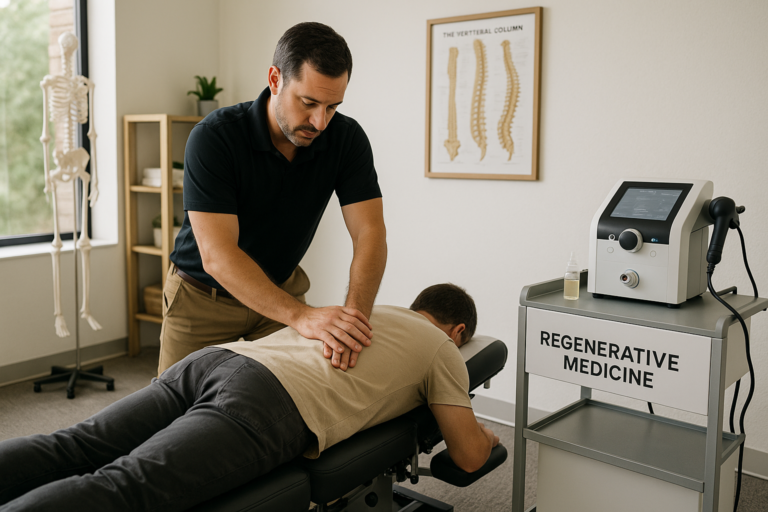
The doctor may examine the affected area by checking range of motion, strength, tenderness, alignment, swelling, gait, or joint stability. If the issue involves the back or neck, the exam may also include a basic neurologic assessment.
Imaging review
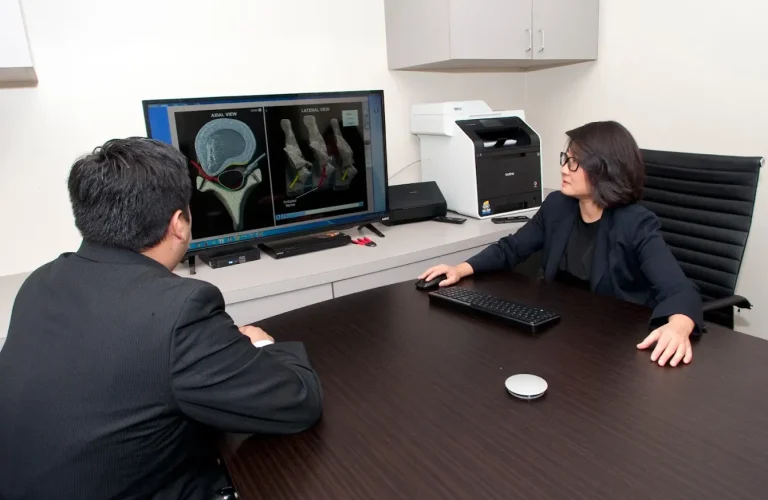
If you brought imaging or prior reports, the physician may review them with you and explain how the findings fit your symptoms. Sometimes imaging findings do not fully explain a person’s pain, so this discussion can be important.
Treatment discussion
If regenerative options are potentially appropriate, the doctor may explain what they are, what they are intended to address, and how they compare with other non-surgical strategies. The conversation may also include whether more testing, rehabilitation, or a different diagnosis should be considered first.
Next-step planning
At the end of the visit, you may receive recommendations for additional imaging, activity changes, follow-up care, therapy, or a future procedure appointment if indicated.
Understanding what to expect at a pain clinic visit can help you approach the consultation as a collaborative discussion rather than a rushed decision point.
Prepare thoughtful questions in advance
It is easy to forget your questions once the visit starts, especially if you are dealing with pain or hearing a lot of new information. Writing down your questions beforehand can help you stay focused.
Useful questions may include:
- What is the most likely cause of my symptoms?
- Are there any red flags or reasons to consider another diagnosis?
- Am I a reasonable candidate for regenerative medicine, or are other treatments more appropriate first?
- What goals are realistic for my condition, such as pain reduction, function, or activity tolerance?
- Would additional imaging or testing be helpful?
- What are the possible risks, limitations, and recovery considerations for any recommended procedure?
- How does this fit into a larger treatment plan that may include therapy or exercise?
These questions can help you move beyond general interest and get practical information tailored to your situation.
Think about your goals for treatment
Patients often say they want to “feel better,” but a consultation becomes more productive when you define what that means in daily life. Different goals can lead to different treatment discussions.
For example, your goal may be to:
- Walk longer distances without knee pain
- Return to recreational sports
- Sleep through the night without shoulder discomfort
- Sit through work meetings without low back pain
- Delay or reduce reliance on more invasive treatment options if medically reasonable
Being specific helps the physician understand what matters most to you. It also makes it easier to discuss whether those goals are realistic, how improvement may be measured, and what role rehabilitation or lifestyle changes might play.
Wear practical clothing and plan for the exam
Simple logistical choices can make your appointment easier. Wear comfortable clothing that allows the doctor to examine the painful area. If you are being seen for a knee problem, for example, avoid very restrictive clothing that makes the exam awkward. For shoulder, hip, or spine issues, easy-to-move clothing is usually best.
You may also want to bring a notebook or have a way to record instructions for yourself after the visit. If the condition is complicated, some patients choose to bring a trusted family member or friend to help remember details and recommendations.
Be honest about pain levels and limitations
Some patients minimize symptoms because they do not want to complain, while others focus only on the worst days. Try to give a balanced picture. Describe what a typical day feels like, what a flare-up looks like, and how often bad days happen.
Also be honest about function. If you have stopped exercising, changed how you climb stairs, rely on the other side of your body, or avoid activities you used to enjoy, mention that. Functional changes are often just as important as pain intensity in understanding how serious the problem has become.
This kind of honesty helps the doctor assess the true impact of your condition and recommend a plan that fits your real-life needs.
Understand that not every condition is the same
One important part of a non-surgical pain consultation is learning whether your specific condition is a fit for regenerative approaches. Pain can come from arthritis, tendon injury, ligament strain, nerve compression, instability, inflammation, referred pain, or multiple overlapping causes. The best treatment path depends on the underlying issue, not just the location of discomfort.
For that reason, a careful evaluation matters more than a one-size-fits-all promise. A responsible consultation should focus on diagnosis, candidacy, and informed decision-making rather than assuming every case calls for the same solution.
If the doctor recommends another route first, that does not mean the visit was unsuccessful. It means the assessment is being guided by your condition rather than by a generic template.
Consider practical planning after the consultation
Even though the first visit may be mostly educational, it helps to think ahead. Depending on the findings, you may need follow-up imaging, a therapy referral, changes in exercise, or a future procedure appointment. Some people benefit from arranging their calendar so they have time for rest, follow-up care, or rehabilitation if recommended later.
You may also want to review your insurance details or ask the clinic administrative team about coverage questions, billing policies, and scheduling logistics if a procedure or repeat visit is proposed. Keeping medical and financial questions organized can reduce stress after the appointment.
Common mistakes to avoid before your first consultation
Preparation does not have to be perfect, but a few common mistakes can make the visit less productive.
- Showing up without any records when you have had prior imaging or specialist evaluations
- Forgetting to mention medications, supplements, or past injections
- Describing pain only in vague terms without examples of functional limits
- Expecting immediate treatment before a proper evaluation is completed
- Assuming that every chronic pain problem is automatically a candidate for regenerative procedures
- Leaving the appointment without understanding the next steps
A little planning can prevent most of these issues and help you feel more confident during the consultation.
The value of a well-prepared first visit
A first regenerative medicine consultation in Houston is not just about hearing about treatment options. It is a chance to understand your condition more clearly, review your prior care, and explore whether a non-surgical pain consultation may point toward a reasonable next step. The more clearly you can describe your symptoms, history, and goals, the more useful the appointment is likely to be.
Bringing records, outlining your symptom timeline, listing past treatments, and preparing questions can make the discussion more informed and less stressful. Just as important, knowing what to expect at a pain clinic visit helps you approach the consultation with realistic expectations and a better sense of partnership in your care.
When you prepare thoughtfully, your appointment becomes more than a routine office visit. It becomes a focused conversation about your pain, function, and options for moving forward with greater clarity.