Hand numbness can be unsettling, especially when it happens often, wakes you up at night, or starts to affect everyday tasks like typing, driving, gripping tools, or holding a phone. In many cases, numbness or tingling is related to irritation of a nerve. In other situations, joint inflammation, repetitive strain, circulation problems, or an underlying medical condition may be involved.
If you are looking for answers about hand numbness causes in Houston, TX, it helps to understand that this symptom is not a diagnosis by itself. “Pins and needles,” reduced sensation, burning, weakness, or clumsiness in the hand can come from several different issues, and the exact pattern of symptoms often offers clues about the source.
This article explains common nerve- and joint-related reasons for hand numbness, what symptoms may suggest, and when to see a doctor for hand numbness in Houston, TX. This information is for general education only and is not a substitute for a personal medical evaluation.
Why hand numbness happens
Sensation in the hand depends on healthy nerves carrying signals from the hand to the brain and back again. When a nerve is compressed, inflamed, stretched, or damaged, you may notice numbness, tingling, burning, or weakness. Joint problems can also contribute by causing swelling or structural changes that put pressure on nearby nerves.
Some people notice symptoms only after a certain activity. Others feel tingling in hands in Houston, TX during sleep, first thing in the morning, or while using a keyboard for long periods. A clinician usually looks at:
- Which fingers are affected
- Whether one or both hands are involved
- Whether numbness comes and goes or stays constant
- Any associated pain, swelling, neck symptoms, or weakness
- Your work, hobbies, posture, and medical history
Common nerve-related causes of hand numbness
Carpal tunnel syndrome
Carpal tunnel syndrome is one of the most common explanations for numbness and nerve pain in hands in Houston, TX. It occurs when the median nerve is compressed as it travels through a narrow passageway in the wrist called the carpal tunnel.
Typical symptoms include:
- Numbness or tingling in the thumb, index finger, middle finger, and part of the ring finger
- Symptoms that are worse at night or early in the morning
- Hand weakness or a tendency to drop objects
- Discomfort with repetitive hand use, gripping, or typing
People who perform repeated wrist motions, use vibrating tools, spend long hours at a desk, or have conditions such as diabetes, pregnancy-related swelling, or inflammatory arthritis may be more likely to develop carpal tunnel syndrome.
Cubital tunnel syndrome
Cubital tunnel syndrome involves compression of the ulnar nerve at the elbow. This is the nerve many people associate with hitting the “funny bone.” When it becomes irritated, symptoms often affect the ring finger and little finger.
Common signs include:
- Tingling or numbness in the pinky and ring finger
- Symptoms that worsen when the elbow stays bent for a long time, such as during sleep or phone use
- Hand weakness, especially with gripping or finger coordination
- Aching on the inner side of the elbow
This condition may be more noticeable in people who rest their elbows on hard surfaces or keep the elbow bent for prolonged periods.
Radial nerve irritation
The radial nerve helps control wrist and finger extension and provides sensation to part of the hand. Pressure on this nerve can occur higher up in the arm or near the forearm. Depending on the location, symptoms may include numbness on the back of the hand, weakness, or difficulty extending the wrist or fingers.

Pinched nerve in the neck
Not all hand numbness starts in the hand or wrist. A nerve root in the cervical spine can become compressed by disc problems, arthritis, or narrowing of spaces in the spine. This is often called cervical radiculopathy.
Symptoms may include:
- Neck pain or stiffness
- Pain that radiates into the shoulder, arm, or hand
- Numbness or tingling in specific fingers
- Weakness in the arm or hand
If symptoms begin in the neck and travel down the arm, the source may be the cervical spine rather than the wrist alone.
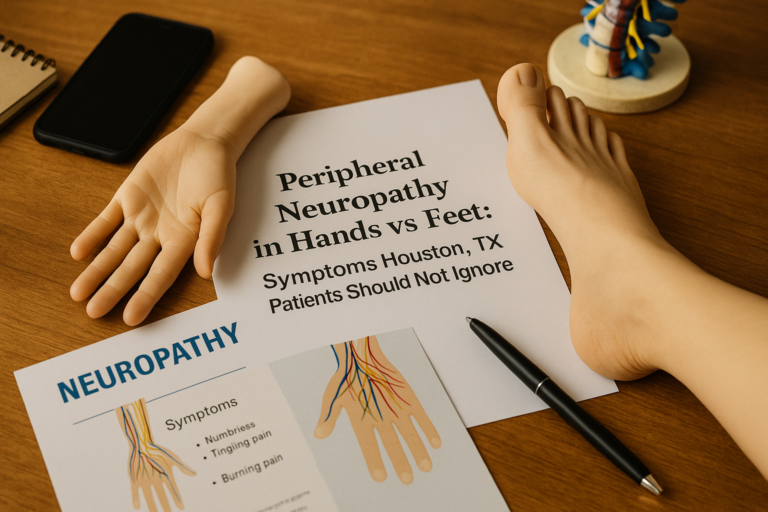
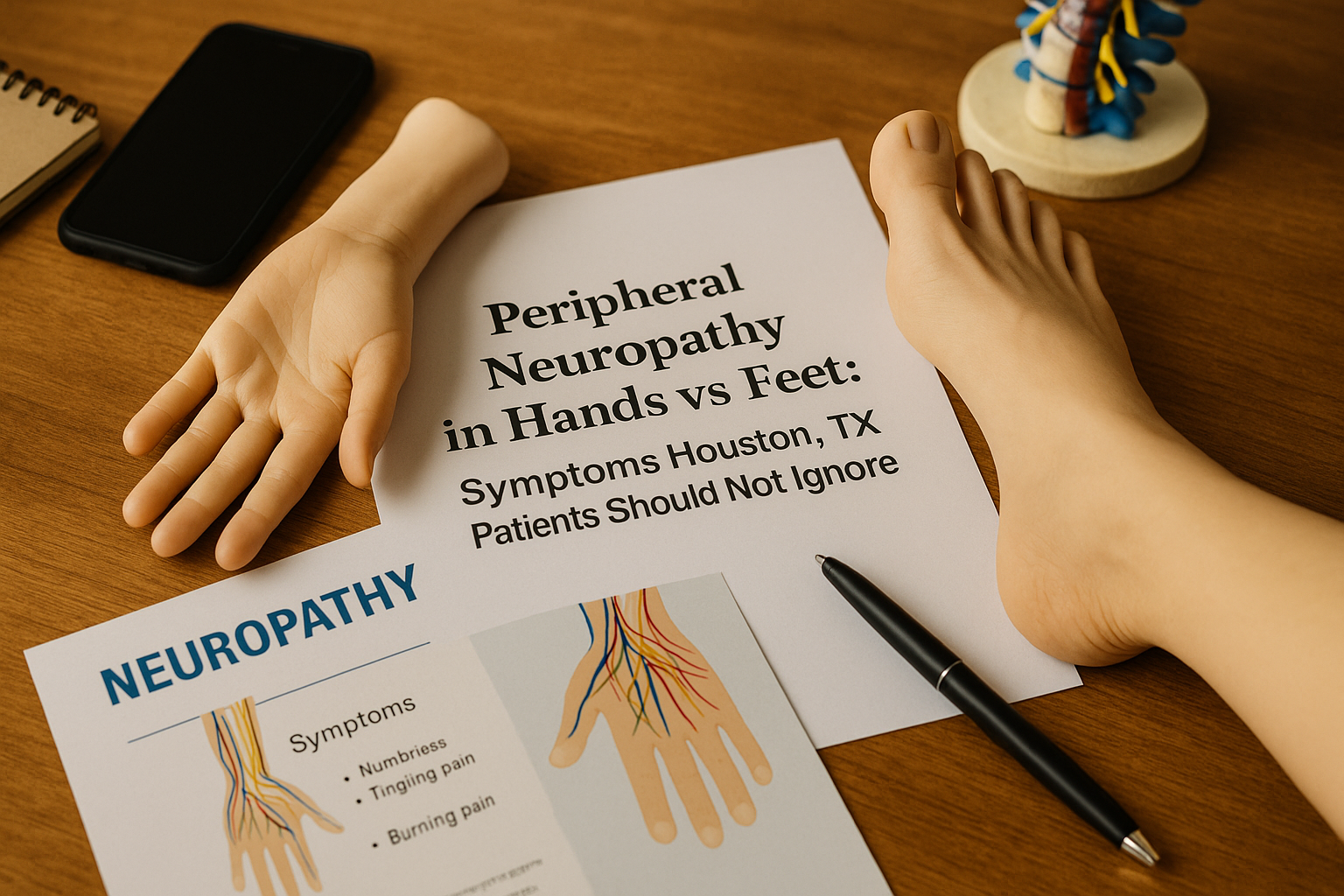
Peripheral neuropathy
Peripheral neuropathy means damage or dysfunction of peripheral nerves. It can affect the hands, feet, or both. Diabetes is a common cause, but neuropathy can also be linked to vitamin deficiencies, alcohol misuse, thyroid disease, kidney disease, certain medications, autoimmune conditions, or other medical issues.
Neuropathy often causes:
- Gradual numbness or tingling
- Burning or sharp pain
- Increased sensitivity to touch
- Symptoms affecting both sides
Unlike a single compressed nerve, peripheral neuropathy may produce a broader pattern of symptoms.
Joint-related and inflammatory causes
Arthritis in the hand or wrist
Arthritis can cause pain, stiffness, swelling, and reduced hand function. In some cases, swelling or joint changes near the wrist can contribute to nerve compression and numbness. Osteoarthritis tends to be related to wear and tear over time, while inflammatory forms of arthritis can produce more swelling, warmth, and prolonged morning stiffness.
When joints are inflamed, nearby tissues may also become irritated, making symptoms feel more widespread than a simple joint ache.
Rheumatoid arthritis and other inflammatory conditions
Rheumatoid arthritis and similar autoimmune disorders can affect the small joints of the hands and wrists. Persistent inflammation may lead to pain, swelling, stiffness, and eventually changes in joint alignment. It can also increase the risk of nerve compression problems such as carpal tunnel syndrome.
If hand numbness happens along with visible swelling, warmth, and stiffness lasting well into the morning, an inflammatory condition may need to be considered.
Tendon inflammation and repetitive strain
Overuse from sports, manual labor, frequent mouse and keyboard use, assembly work, or repeated gripping can inflame tendons and surrounding tissues. While tendons themselves do not cause numbness, the swelling and irritation around them can contribute to nerve pressure or altered hand mechanics.
This is one reason symptoms may flare after long workdays or repetitive tasks.
Other possible reasons for tingling or numbness in the hands
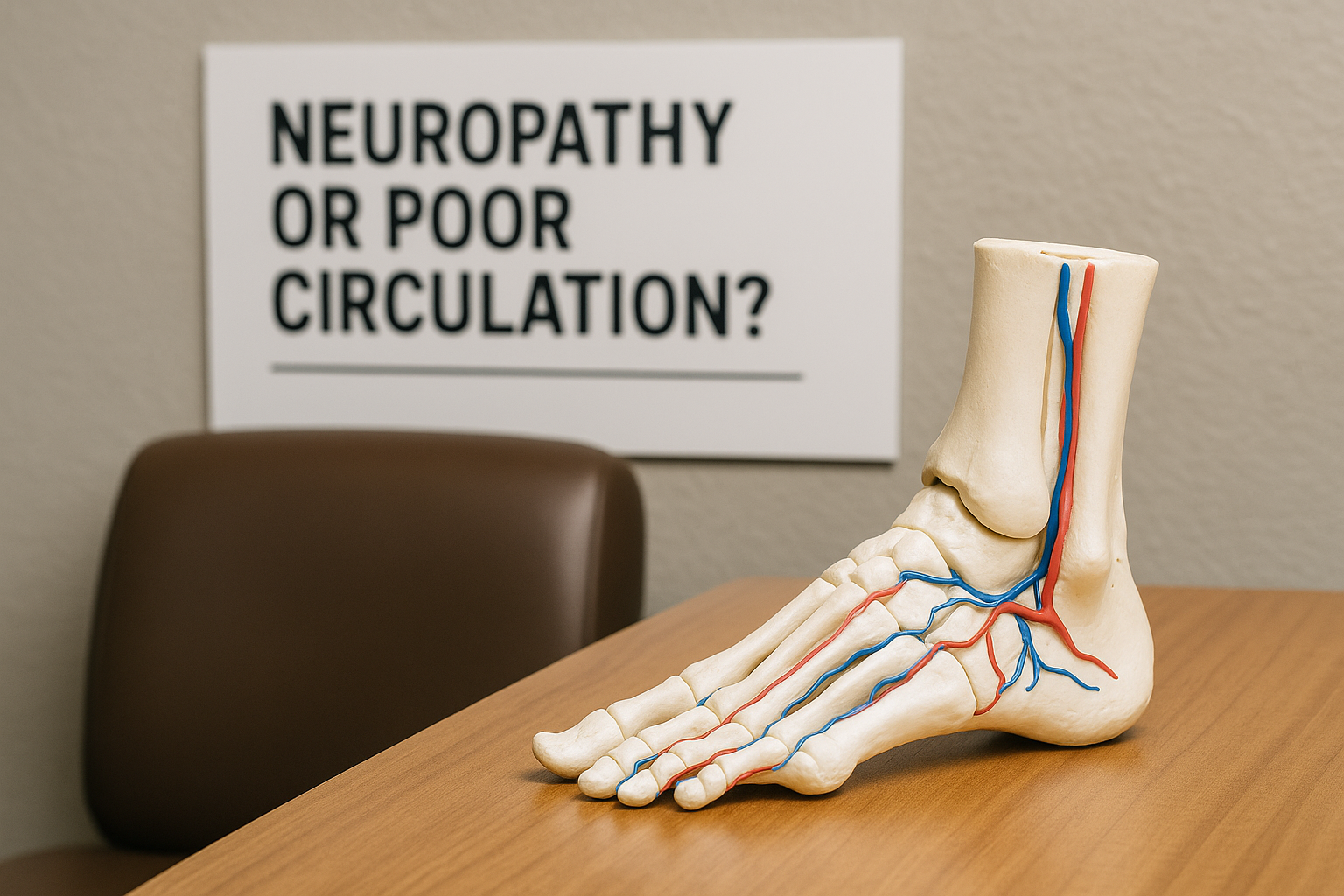
Poor circulation
Reduced blood flow can sometimes cause numbness, coldness, color changes, or tingling. Circulation-related symptoms may feel different from nerve compression and can be influenced by temperature, blood vessel conditions, or smoking history.
Vitamin deficiencies or metabolic conditions
Low levels of certain vitamins, especially B vitamins, can affect nerve function. Thyroid disorders and blood sugar problems can also contribute to numbness or neuropathy symptoms over time.
Injuries
Fractures, dislocations, sprains, and direct trauma can injure nerves or create swelling that compresses nearby structures. Sometimes numbness appears immediately after an injury, while in other cases it develops as swelling increases.
Ganglion cysts or masses
A ganglion cyst near the wrist or hand can sometimes press on a nerve and trigger numbness, tingling, or weakness depending on its location.
How symptom patterns can offer clues
The location and timing of numbness can help narrow down the likely source. Although only a qualified clinician can diagnose the cause, certain patterns are common.
| Symptom pattern | Possible source | Typical clue |
|---|---|---|
| Thumb, index, middle finger numbness | Carpal tunnel syndrome | Often worse at night or with repetitive wrist use |
| Ring and little finger tingling | Cubital tunnel syndrome | Often worse with prolonged elbow bending |
| Neck pain with numbness down the arm | Cervical radiculopathy | Symptoms may start in the neck or shoulder |
| Both hands affected gradually | Peripheral neuropathy | May occur with diabetes or metabolic conditions |
| Pain, stiffness, swelling with numbness | Arthritis or inflammation | Joint symptoms are often prominent |
Practical examples from everyday life
Hand numbness is often easier to understand when you connect it to real activities. For example, someone who wakes at night shaking out the hand after sleeping with bent wrists may be experiencing median nerve compression. An office worker who notices tingling after long periods of mouse use may have repetitive strain contributing to wrist irritation. A driver or commuter who keeps the elbow bent for long periods may develop symptoms in the ring and little finger from ulnar nerve pressure.
Similarly, a person with neck stiffness who feels numbness travel from the shoulder into the hand may have a problem originating in the cervical spine rather than the hand itself. And someone with swollen finger joints and prolonged morning stiffness may have inflammation that affects both joints and nearby nerves.
Important warning signs that should not be ignored
While many causes of hand numbness are not emergencies, some situations require prompt medical attention. Seek urgent care right away if numbness is accompanied by:
- Sudden weakness in the face, arm, or leg, especially on one side
- Trouble speaking, confusion, severe headache, or loss of balance
- Sudden loss of hand function after an injury
- A hand that becomes pale, blue, very cold, or severely painful
- Rapidly worsening weakness or inability to grip objects
- Numbness with severe neck pain after trauma
These symptoms can point to serious neurologic, vascular, or traumatic problems that need immediate evaluation.

When to see a doctor for hand numbness in Houston, TX
It is a good idea to schedule a medical evaluation if hand numbness:
- Happens repeatedly or lasts more than a short time
- Wakes you from sleep
- Interferes with work, driving, writing, exercise, or daily activities
- Comes with weakness, clumsiness, or dropping objects
- Is associated with pain in the neck, wrist, elbow, or hand
- Occurs with visible swelling, joint stiffness, or reduced range of motion
- Affects both hands or is gradually getting worse
- Develops in the setting of diabetes, thyroid disease, or another chronic condition
For people searching when to see a doctor for hand numbness in Houston, TX, the key point is simple: if symptoms are persistent, progressive, painful, or limiting function, they should be evaluated rather than ignored.
How clinicians evaluate hand numbness
A medical evaluation typically begins with a discussion of your symptoms, medical history, work demands, activities, and any past injuries. A clinician may ask:
- Which fingers go numb?
- Do symptoms occur at night, during work, or with certain positions?
- Do you also have neck pain, elbow pain, or wrist pain?
- Have you noticed weakness, swelling, or reduced grip strength?
- Do you have diabetes, arthritis, thyroid disease, or vitamin deficiency risks?
The physical exam may include checks of sensation, strength, reflexes, joint motion, and areas where nerves commonly become compressed. Depending on the situation, further testing may be recommended, such as imaging, blood work, or nerve studies. The goal is to identify the source rather than simply labeling all numbness as a wrist problem.
Why early attention can help
Some causes of hand numbness improve when the underlying trigger is recognized early. This might mean changing repetitive habits, addressing inflammation, evaluating metabolic conditions, or assessing nerve compression before weakness becomes more advanced. Waiting too long can allow symptoms to become more frequent or more difficult to manage.
Early evaluation also helps rule out conditions that may mimic one another. For example, what feels like carpal tunnel syndrome may actually be coming from the neck, or numbness blamed on overuse may be linked to a broader nerve condition.
Important considerations for work and daily function
People often underestimate how much hand symptoms can affect quality of life. Even mild numbness can reduce grip confidence, fine motor control, and comfort during routine tasks. In a busy city like Houston, TX, many people rely on their hands for computer work, healthcare duties, childcare, driving, construction, service work, and household responsibilities. Recurrent numbness can make these activities harder and may increase frustration or fatigue over time.
If you notice patterns, it can be helpful to pay attention to when symptoms start, which fingers are involved, what activities trigger them, and whether there is associated pain or weakness. That information can make a medical visit more productive.
Conclusion
Hand numbness can have many causes, but nerve compression and joint-related inflammation are among the most common. Carpal tunnel syndrome, cubital tunnel syndrome, cervical radiculopathy, arthritis, repetitive strain, and peripheral neuropathy can all produce numbness, tingling, pain, or weakness in the hands. The specific fingers involved, the timing of symptoms, and whether pain or swelling is present can offer useful clues.
If you are experiencing persistent tingling in hands in Houston, TX or wondering about possible hand numbness causes in Houston, TX, it is worth taking the symptom seriously. Ongoing or worsening numbness should not be dismissed, especially when it affects sleep, work, or hand strength. Because several conditions can look similar, an evaluation by a qualified clinician is the best way to understand the cause and decide what steps are appropriate for your situation.