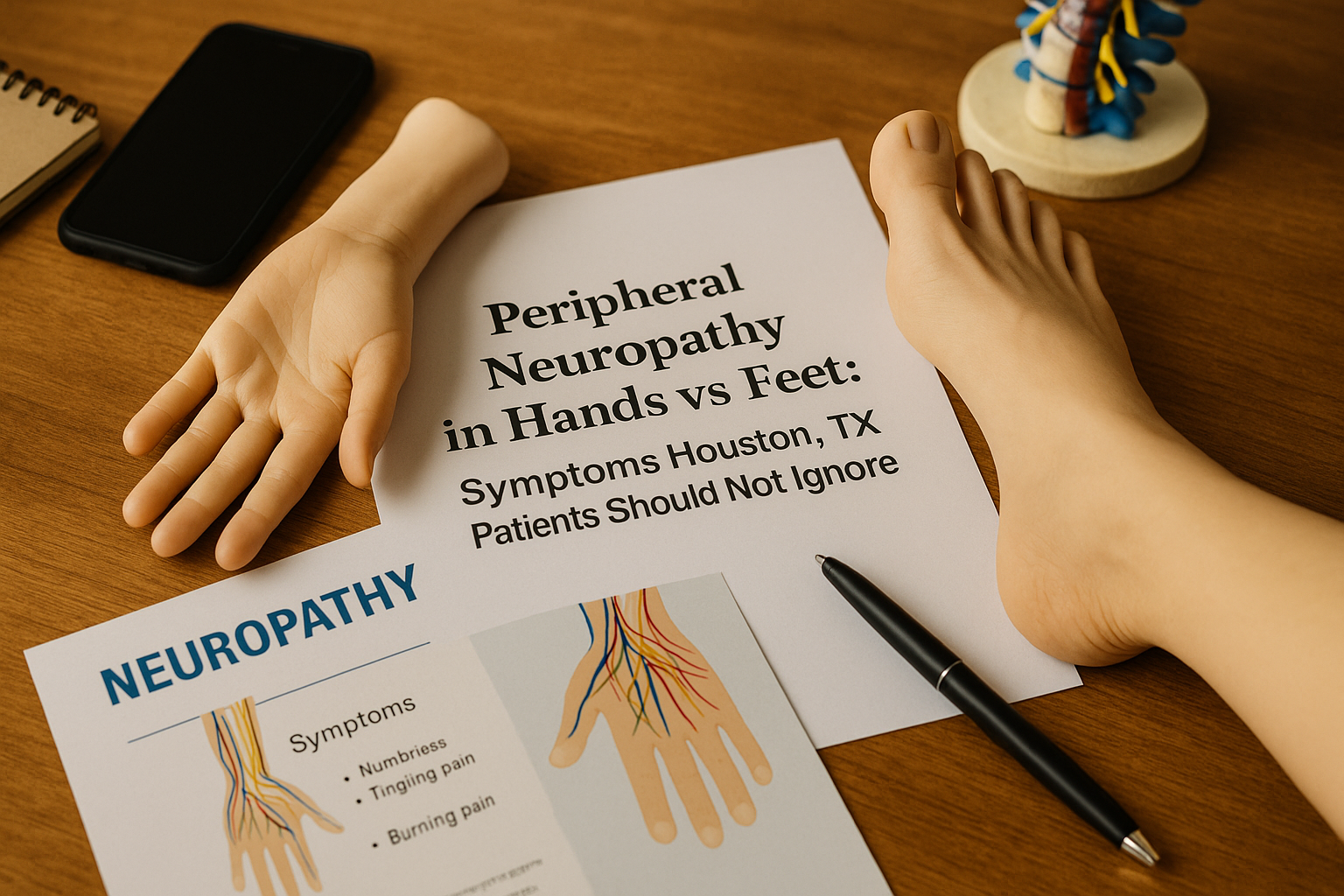
Peripheral neuropathy can begin subtly. A little tingling in the toes, occasional numbness in the fingers, or a burning sensation that comes and goes may not seem serious at first. However, these early changes can point to nerve damage that deserves attention. For many people in Houston, TX, recognizing peripheral neuropathy symptoms early may help prevent worsening discomfort, balance problems, hand weakness, and disruptions to daily life.
Peripheral nerves carry messages between the brain, spinal cord, and the rest of the body. When these nerves are irritated, compressed, or damaged, a wide range of symptoms can appear. Some people notice neuropathy in feet first. Others develop neuropathy in hands that affects grip, coordination, and sensation. While symptoms can overlap, the pattern and impact often differ depending on which nerves are involved.
Understanding these differences is important. Knowing what symptoms should not be ignored can help patients seek an appropriate evaluation for numbness and tingling treatment in Houston before symptoms become more severe.
What Is Peripheral Neuropathy?
Peripheral neuropathy is a condition involving damage or dysfunction in the peripheral nervous system. These nerves help control sensation, muscle movement, and automatic body functions such as blood pressure, sweating, and digestion. Neuropathy can affect a single nerve, several nerves, or many nerves throughout the body.
Common causes and contributing factors include:
- Diabetes or blood sugar problems
- Vitamin deficiencies, especially B vitamins
- Nerve compression, such as carpal tunnel syndrome
- Injuries or repetitive strain
- Certain medications, including some chemotherapy drugs
- Alcohol misuse
- Autoimmune conditions
- Infections
- Thyroid disorders
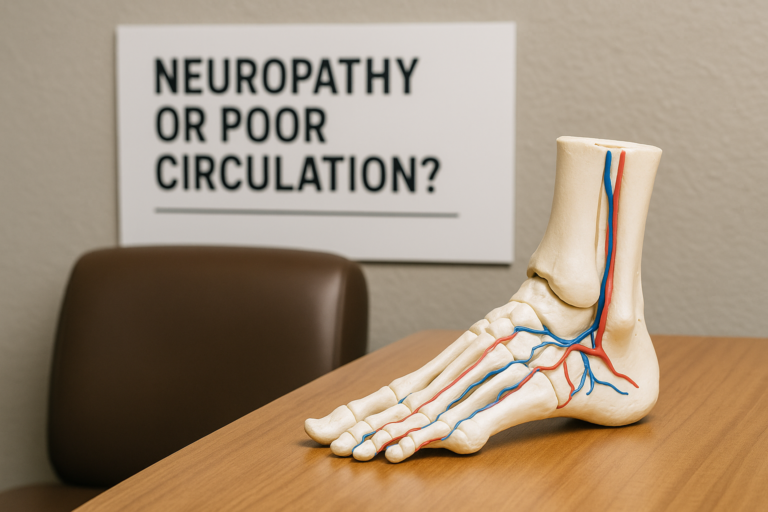
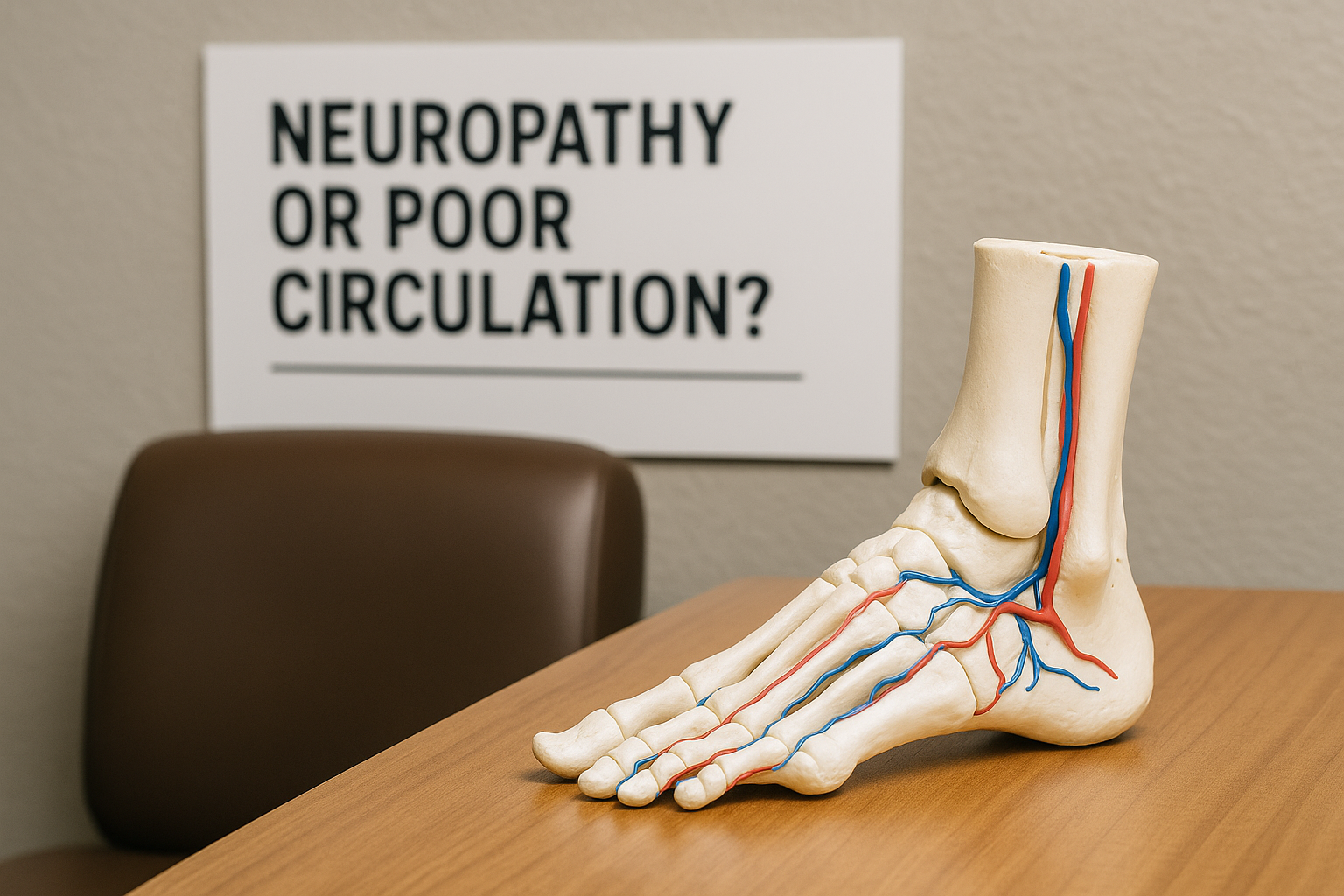
- Poor circulation or vascular issues
In some cases, no exact cause is identified right away. Even so, symptoms still deserve a medical evaluation, particularly if they are progressive, painful, or interfering with work, sleep, walking, or hand use.
Why Neuropathy Often Starts in the Feet
One of the most common patterns of peripheral neuropathy involves symptoms beginning in the feet and lower legs. This happens because the longest nerves in the body are often the most vulnerable to damage. Since the nerves traveling to the feet cover a long distance, they are frequently affected first.
Patients with neuropathy in feet may initially notice mild changes such as feeling like their socks are bunched up, sensing pins and needles at night, or having trouble detecting hot and cold temperatures. Over time, symptoms may move upward into the ankles or calves.
This gradual onset can make foot neuropathy easy to dismiss. Many people assume their symptoms are caused by standing too long, wearing the wrong shoes, or simple fatigue. But when symptoms persist, recur, or worsen, they should not be ignored.
Common Symptoms of Neuropathy in Feet
Neuropathy in feet can affect sensory nerves, motor nerves, or both. The symptoms vary from person to person, but several warning signs are especially common.
Numbness
Numbness is one of the classic peripheral neuropathy symptoms Houston, TX patients often describe. It may begin in the toes and spread across the foot. Some people say their feet feel thick, asleep, or disconnected from the floor. This loss of sensation can increase the risk of unnoticed cuts, blisters, and pressure injuries.
Tingling or Pins and Needles
Tingling may come and go early on, but it can become more frequent with time. Many patients notice it more at night when they are trying to relax or sleep. Persistent tingling should not be written off as a harmless annoyance.
Burning Pain
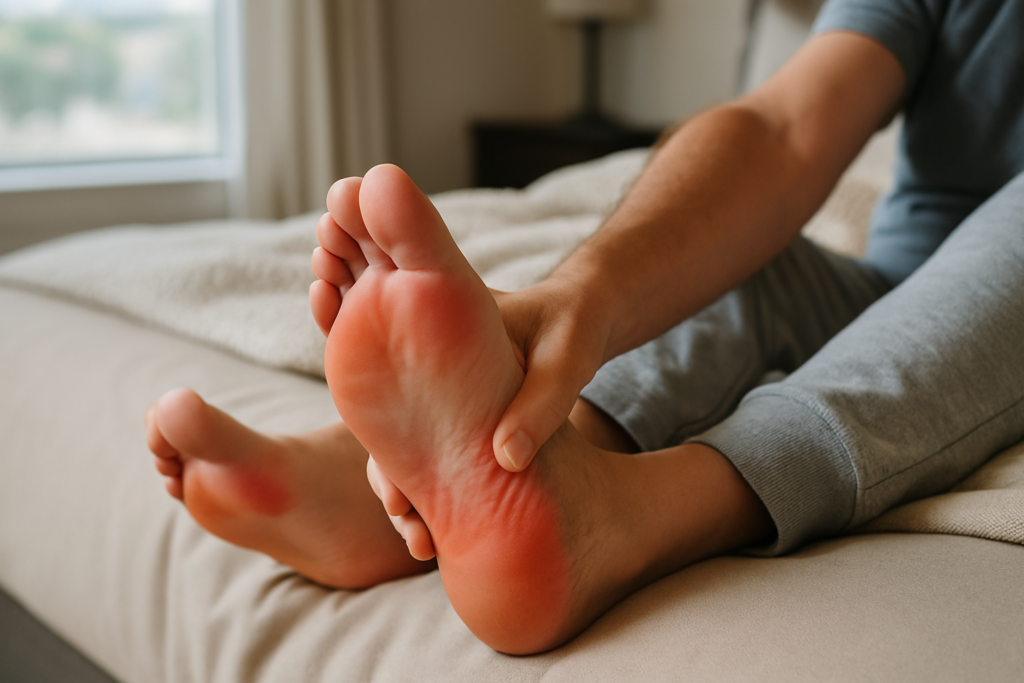
A burning sensation in the soles of the feet is another common sign. It may feel like heat, electric discomfort, or raw sensitivity. For some patients, even light contact from socks or bedsheets becomes irritating.
Sharp, Shooting, or Electric Pain
Neuropathic pain is not always dull or achy. It can be sudden, stabbing, or shock-like. These symptoms may flare during walking, rest, or changes in position.
Balance Problems
When the feet cannot clearly sense the ground, balance can suffer. People may feel unsteady on stairs, uneven pavement, or in dim lighting. Falls become a greater concern, especially for older adults.
Muscle Weakness
If motor nerves are involved, weakness may develop in the feet or ankles. This can cause difficulty lifting the front of the foot, pushing off while walking, or maintaining a steady gait.
How Neuropathy in Hands Can Look Different
Neuropathy in hands can be just as disruptive, but it often affects daily tasks in a different way. The hands are essential for writing, typing, cooking, dressing, driving, and countless other activities. Even mild nerve symptoms can quickly become noticeable.
Hand neuropathy may result from generalized peripheral neuropathy, localized nerve compression, repetitive stress, systemic illness, or underlying metabolic issues. Depending on the cause, symptoms may affect one hand or both.
Finger Numbness
Patients may lose sensation in the fingertips or specific fingers. This can make it harder to button clothing, handle small objects, or feel textures accurately. Dropping keys, pens, or utensils may happen more often.
Tingling in the Hands
Tingling is often described as prickling, buzzing, or pins and needles. It may wake patients at night or appear after repetitive hand use. If tingling keeps returning, an assessment is important to determine whether the problem is due to peripheral neuropathy or a compression issue such as carpal tunnel syndrome.
Burning or Electric Sensations
Just like the feet, the hands may develop burning discomfort or brief shock-like pains. Some people become unusually sensitive to touch or temperature changes.
Weak Grip Strength
Neuropathy in hands may reduce grip strength or coordination. Opening jars, holding a phone, turning doorknobs, or carrying grocery bags may become unexpectedly difficult.
Fine Motor Trouble
When nerve function is affected, small coordinated movements may feel clumsy. Handwriting can change. Typing errors may increase. Tasks that once felt automatic can require more effort and concentration.
Hands vs Feet: Key Differences Patients Should Notice
Although neuropathy symptoms can overlap, there are practical differences between neuropathy in hands and neuropathy in feet that may help patients explain their concerns more clearly during a medical visit.
Impact on Mobility vs Dexterity
Neuropathy in feet often affects walking, stability, and confidence with movement. Patients may avoid exercise, stairs, or long outings because of pain or unsteadiness.
Neuropathy in hands more often affects dexterity, grip, and precision. It can interfere with work, household tasks, and personal care routines.
Risk of Injury
Foot neuropathy increases the risk of falls and unnoticed skin injuries. Hand neuropathy increases the chance of burns, cuts, and dropped objects because sensation and control are reduced.
Symptom Pattern
Peripheral neuropathy often starts symmetrically in both feet before affecting the hands later. In contrast, isolated symptoms in one hand may suggest a localized compression problem, though only a proper exam can determine that.
What Patients Tend to Ignore
People may dismiss foot symptoms as poor circulation, fatigue, or aging. Hand symptoms are often blamed on overuse, sleeping position, or too much computer work. While those explanations are sometimes possible, persistent symptoms should still be evaluated.
Peripheral Neuropathy Symptoms Houston, TX Patients Should Not Ignore
Some symptoms deserve prompt medical attention because they may signal advancing nerve involvement or another serious condition. Houston, TX patients should not ignore:
- Numbness that is spreading or becoming constant
- Burning, stabbing, or electric pain that disrupts sleep
- Weakness in the hands, feet, or legs
- Frequent tripping, balance trouble, or falls
- Loss of coordination or increasing clumsiness
- Symptoms affecting both sides of the body
- New trouble sensing heat, cold, or injury
- Skin wounds on the feet that heal slowly or go unnoticed
- Symptoms that are getting worse over weeks or months
- Numbness and tingling combined with known diabetes or prediabetes
If symptoms appear suddenly, are severe, or occur alongside facial drooping, speech difficulty, chest pain, or sudden one-sided weakness, emergency care is important because those symptoms may point to something other than routine peripheral neuropathy.
Possible Causes Behind Hand and Foot Neuropathy
A medical evaluation for peripheral neuropathy symptoms typically looks beyond the nerve pain itself and focuses on the reason it is happening. The cause matters because treatment often works best when the underlying issue is addressed.
Examples include:
Diabetes and Blood Sugar Changes
High blood sugar is one of the most recognized causes of nerve damage, particularly in the feet. Even prediabetes may contribute to numbness, burning, and tingling.
Vitamin Deficiency
Low levels of certain vitamins, especially B12, can affect nerve health. Nutritional issues may be more likely in people with digestive disorders, restrictive diets, or certain medication use.
Nerve Compression
Compression neuropathies can affect the hands or feet. Carpal tunnel syndrome is a well-known example involving pressure on the median nerve in the wrist.
Alcohol Use
Long-term heavy alcohol use may damage nerves directly and also contribute to nutritional deficiencies.
Medication Effects
Some medications, especially certain chemotherapy drugs, are known to increase the risk of neuropathy symptoms.
Autoimmune or Inflammatory Conditions
Some immune-related disorders can attack or inflame nerves, leading to progressive symptoms in the hands, feet, or both.
Injury and Repetitive Stress
Trauma, repetitive motions, or poor ergonomics may worsen nerve irritation and contribute to localized symptoms.
How Neuropathy Is Evaluated
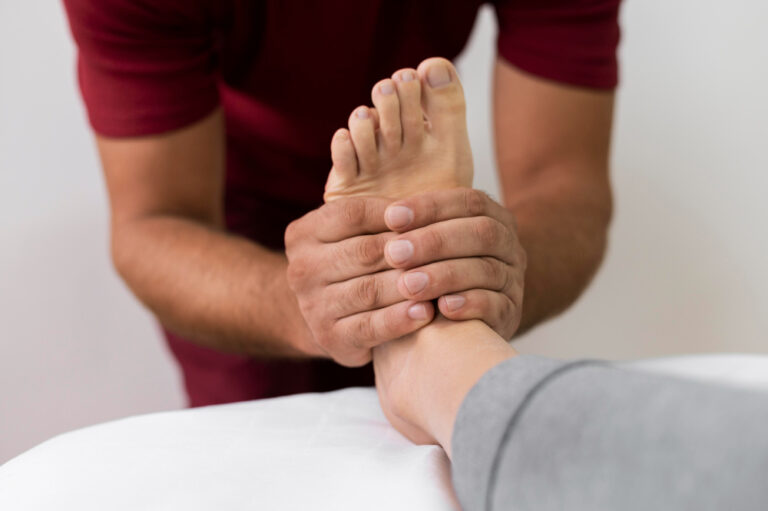
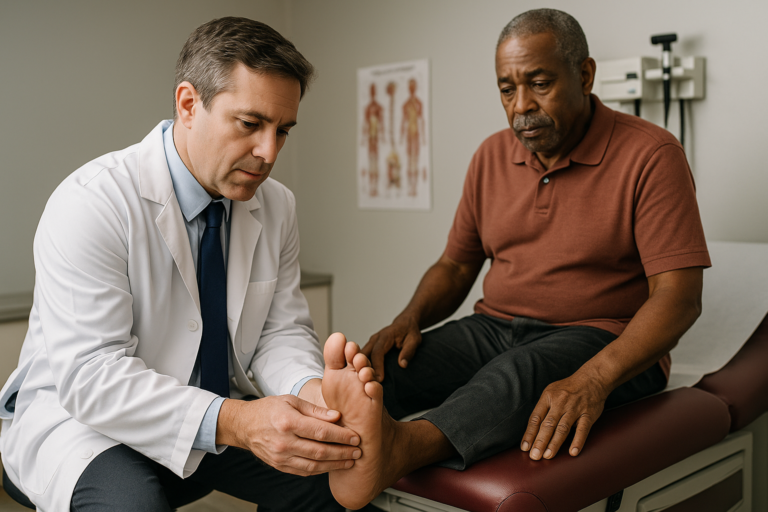
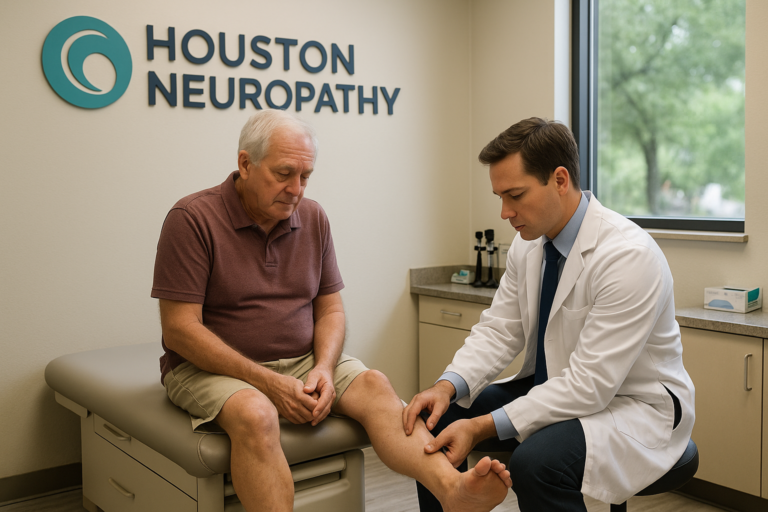
When patients seek care for neuropathy in hands or neuropathy in feet, the evaluation often starts with a detailed history and physical examination. A clinician may ask when symptoms began, where they occur, whether they are symmetrical, and what makes them better or worse.

The assessment may include:
- Review of medical history and medications
- Discussion of diabetes, injuries, alcohol use, or nutritional concerns
- Testing reflexes, strength, sensation, and balance
- Checking skin condition and circulation, especially in the feet
- Considering blood work or other diagnostic testing when appropriate
This process helps determine whether symptoms suggest generalized peripheral neuropathy, a localized compression issue, or another condition that can mimic nerve problems.
Approaches to Numbness and Tingling Treatment in Houston
Numbness and tingling treatment in Houston depends on the cause, severity, and pattern of symptoms. Because neuropathy is not a one-size-fits-all condition, treatment plans vary.
General management may include:
Treating the Underlying Cause
If blood sugar, vitamin deficiency, thyroid dysfunction, or another medical issue is contributing to symptoms, addressing that condition is a key part of care.
Medication Management
Some patients may benefit from medications aimed at neuropathic pain, depending on their symptoms and overall health profile.
Physical Therapy or Occupational Therapy
Therapy may help improve strength, balance, gait, hand coordination, and safety with daily activities. This can be especially useful for patients who are having trouble walking or using their hands effectively.
Supportive Lifestyle Changes
Healthy blood sugar control, nutrition, activity within tolerance, reducing alcohol use, and better footwear choices can support nerve health and function.
Protective Strategies
Patients with reduced sensation may need to inspect their feet daily, avoid extreme temperatures, improve home fall safety, and use ergonomic tools for hand-intensive tasks.
The goal is not only symptom relief, but also reducing further nerve stress and preserving function over time.
Practical Examples of Symptoms in Daily Life
Peripheral neuropathy often becomes most obvious during ordinary routines. A person with neuropathy in feet may notice they hesitate before stepping off a curb because the ground feels uncertain. Another may stop walking for exercise because the burning in the soles becomes too distracting.
Someone with neuropathy in hands may find they are dropping a coffee mug more often, struggling to fasten jewelry, or waking up at night with tingling fingers. Office workers may notice that prolonged keyboard use worsens symptoms. Cooks may realize they cannot judge heat safely when reaching for a pan or running dishwater.
These everyday changes matter. They show how nerve symptoms can move beyond mild annoyance and begin affecting independence, safety, and quality of life.
When Early Attention Makes a Difference
Many people wait too long before seeking help because the symptoms seem intermittent or manageable. But ongoing numbness, tingling, burning, or weakness can become more difficult to control if the underlying cause continues unchecked.
Earlier evaluation may help identify reversible contributors, prevent complications, and create a plan for protecting the hands and feet. This is especially important for people with diabetes, circulation concerns, prior injuries, or jobs that depend heavily on standing, walking, typing, or repetitive hand use.
In a large, active city like Houston, TX, mobility and hand function affect nearly every part of daily life, from commuting and working to exercise and household responsibilities. Symptoms that interfere with those activities deserve careful attention.
Conclusion
Peripheral neuropathy can show up in both the hands and the feet, but the impact often differs in important ways. Neuropathy in feet commonly affects walking, balance, and awareness of injury, while neuropathy in hands tends to interfere with grip, coordination, and fine motor tasks. In both cases, numbness, tingling, burning, weakness, and changes in sensation are signals that should not be ignored.
For patients experiencing peripheral neuropathy symptoms in Houston, TX, paying attention to these early warning signs is an important first step. Persistent or worsening symptoms deserve a professional evaluation so the cause can be identified and an appropriate plan for numbness and tingling treatment in Houston can be considered. Timely care may help protect function, improve comfort, and reduce the risk of long-term complications.