If you have ever wondered, why do my feet feel numb, you are not alone. Numbness, tingling, burning, weakness, or sharp pain in the feet and legs can be unsettling, especially when symptoms begin gradually and seem easy to dismiss. For many people, these sensations may be linked to peripheral neuropathy, a condition that affects the nerves outside the brain and spinal cord.
Peripheral nerves carry signals that help you feel temperature, pressure, pain, and movement. When those nerves become damaged or irritated, the messages between your legs, feet, and brain may not travel normally. The result can be a wide range of peripheral neuropathy symptoms, from mild tingling to severe discomfort that affects walking, sleep, balance, and daily life.
Understanding the causes of peripheral neuropathy in feet and legs is important because the symptom pattern may point to an underlying health issue that needs attention. In some cases, nerve damage develops slowly over time. In others, it may follow an injury, illness, nutritional problem, or medication side effect. The sooner the possible cause is identified, the better the chance of reducing further nerve irritation and improving quality of life.
This article explains common reasons people develop neuropathy in the lower legs and feet, what symptoms often look like, and when it may be time to seek medical evaluation.
What Is Peripheral Neuropathy?
Peripheral neuropathy is a general term for damage to the peripheral nerves. These nerves extend throughout the body, including the feet, toes, ankles, calves, and thighs. Because the longest nerves in the body reach the feet, symptoms often start there first. That is why many people notice changes in sensation in the toes or soles before they feel symptoms anywhere else.
Some nerves control sensation, some control muscle movement, and others help regulate automatic body functions such as blood pressure, sweating, and digestion. Depending on which nerves are affected, symptoms may include numbness, tingling, burning, weakness, cramping, or unusual sensitivity to touch.
People often describe neuropathy as feeling like they are wearing invisible socks, walking on pebbles, or experiencing electric shocks in the feet. Symptoms may stay mild for a long time, but they can also worsen if the underlying cause is not addressed.
Common Peripheral Neuropathy Symptoms in Feet and Legs
The way neuropathy feels can differ from person to person. Some notice only occasional tingling. Others develop ongoing pain or weakness that interferes with movement and safety.
Common peripheral neuropathy symptoms include:
- Numbness in the toes, feet, or lower legs
- Tingling or a pins-and-needles sensation
- Burning pain, especially at night
- Sharp, stabbing, or electric-like pain
- Increased sensitivity to touch
- A feeling of wearing socks when barefoot
- Muscle weakness in the feet or legs
- Trouble with balance or coordination
- Cramping or muscle twitching
- Reduced ability to feel heat, cold, or injury
Symptoms often begin gradually and may affect both feet at the same time. Many patients first notice discomfort at night, when the lack of distractions makes sensations seem stronger. Others discover a problem after repeatedly tripping, losing balance, or failing to notice a blister or cut.
Causes of Peripheral Neuropathy in Feet and Legs
There is no single cause of peripheral neuropathy. Instead, it is a symptom pattern that can result from several different medical problems. Below are some of the most common reasons neuropathy affects the lower extremities.
Diabetes and Blood Sugar Problems
Diabetes is one of the most common causes of nerve damage in the feet and legs. Over time, high blood sugar can injure nerves and also affect the small blood vessels that nourish them. This is why people with diabetes may develop diabetic neuropathy, often starting in the toes and gradually moving upward.
Even in the earlier stages of blood sugar imbalance, such as prediabetes, some people may notice tingling, burning, or numbness. The damage may develop slowly, which is why symptoms are sometimes ignored until walking becomes uncomfortable or balance changes become obvious.
People who have long-standing diabetes should pay close attention to foot sensations, skin changes, and healing problems. Reduced feeling can make even minor foot injuries more serious if they go unnoticed.
Vitamin Deficiencies
Nerves need proper nutrition to function well. Deficiencies in certain vitamins, especially B vitamins such as B12, B6, and folate, can contribute to nerve dysfunction. Vitamin E and copper deficiencies may also play a role in some cases.
A person with a nutritional deficiency might experience fatigue, weakness, balance issues, or memory concerns along with numbness or tingling. Older adults, people with digestive disorders, individuals with restricted diets, and those who have had certain gastrointestinal surgeries may be at higher risk.
Not all supplements are harmless, however. Too much vitamin B6 can also cause neuropathy. That is one reason why evaluation is important instead of guessing at treatment.
Alcohol Use
Long-term excessive alcohol use can damage peripheral nerves directly and also contribute to poor nutrition, especially deficiencies in vitamins needed for nerve health. Alcohol-related neuropathy may develop gradually and can lead to pain, numbness, weakness, and trouble walking.
Some people assume their symptoms are simply poor circulation or aging, when ongoing alcohol exposure may be part of the problem. Identifying this connection can be an important step toward preventing further nerve injury.
Injuries and Repetitive Pressure on Nerves
Physical injury can also damage nerves in the feet and legs. This may happen after fractures, falls, sports injuries, sprains, surgery, or prolonged pressure on a nerve. Repetitive stress, poor posture, or compression in the lower back can affect nerve signals that travel down the legs.
For example, a person with a herniated disc or sciatica may experience burning, numbness, or shooting pain into the leg or foot. Although this is not always the same as generalized peripheral neuropathy, it can produce similar symptoms and still requires proper evaluation.
Pressure-related nerve problems may also develop from certain work activities, prolonged kneeling, tight footwear, or swelling that compresses nearby nerves.
Autoimmune and Inflammatory Conditions
Some autoimmune disorders cause the body’s immune system to attack nerves or the tissues around them. Conditions such as rheumatoid arthritis, lupus, Sjogren’s syndrome, and certain inflammatory neuropathies may trigger symptoms in the lower extremities.
Inflammation can affect nerve function directly or indirectly through blood vessel changes. In these situations, foot numbness or burning may occur alongside joint pain, dry eyes, fatigue, skin changes, or other whole-body symptoms.
Because autoimmune conditions can affect many parts of health at once, diagnosis often requires looking at the full clinical picture rather than focusing on the feet alone.
Infections
Some infections can injure nerves either during the illness or afterward. Examples include shingles, Lyme disease, HIV, hepatitis C, and certain other viral or bacterial infections. In some people, the immune response after an infection may also contribute to nerve symptoms.
A history of rash, fever, tick exposure, or recent illness can offer useful clues. If numbness, tingling, or weakness appears after an infection, medical attention is especially important.
Kidney, Liver, and Thyroid Disorders
Internal medical conditions can also lead to neuropathy. Chronic kidney disease may allow waste products to build up in the body and affect nerve health. Liver disease can contribute through metabolic changes and nutritional issues. An underactive thyroid may slow body processes in ways that increase the risk of nerve problems.
These causes are easy to overlook because they may also produce fatigue, swelling, dry skin, or generalized weakness rather than obvious nerve-specific complaints at first.
Medication Side Effects and Toxin Exposure
Certain medications are known to affect nerves. Some chemotherapy drugs are a well-known example, but other medications may also contribute in certain patients. Exposure to heavy metals, industrial chemicals, or toxins can also damage peripheral nerves.
When symptoms begin after starting a new treatment or after workplace or environmental exposure, that timing may be meaningful. Patients should not stop prescribed medication on their own, but they should mention any new numbness, tingling, or pain to a medical professional.
Poor Circulation and Vascular Problems
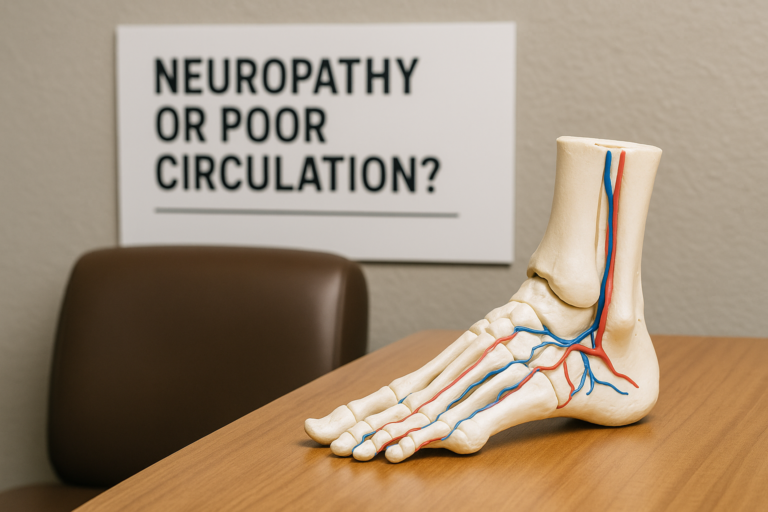
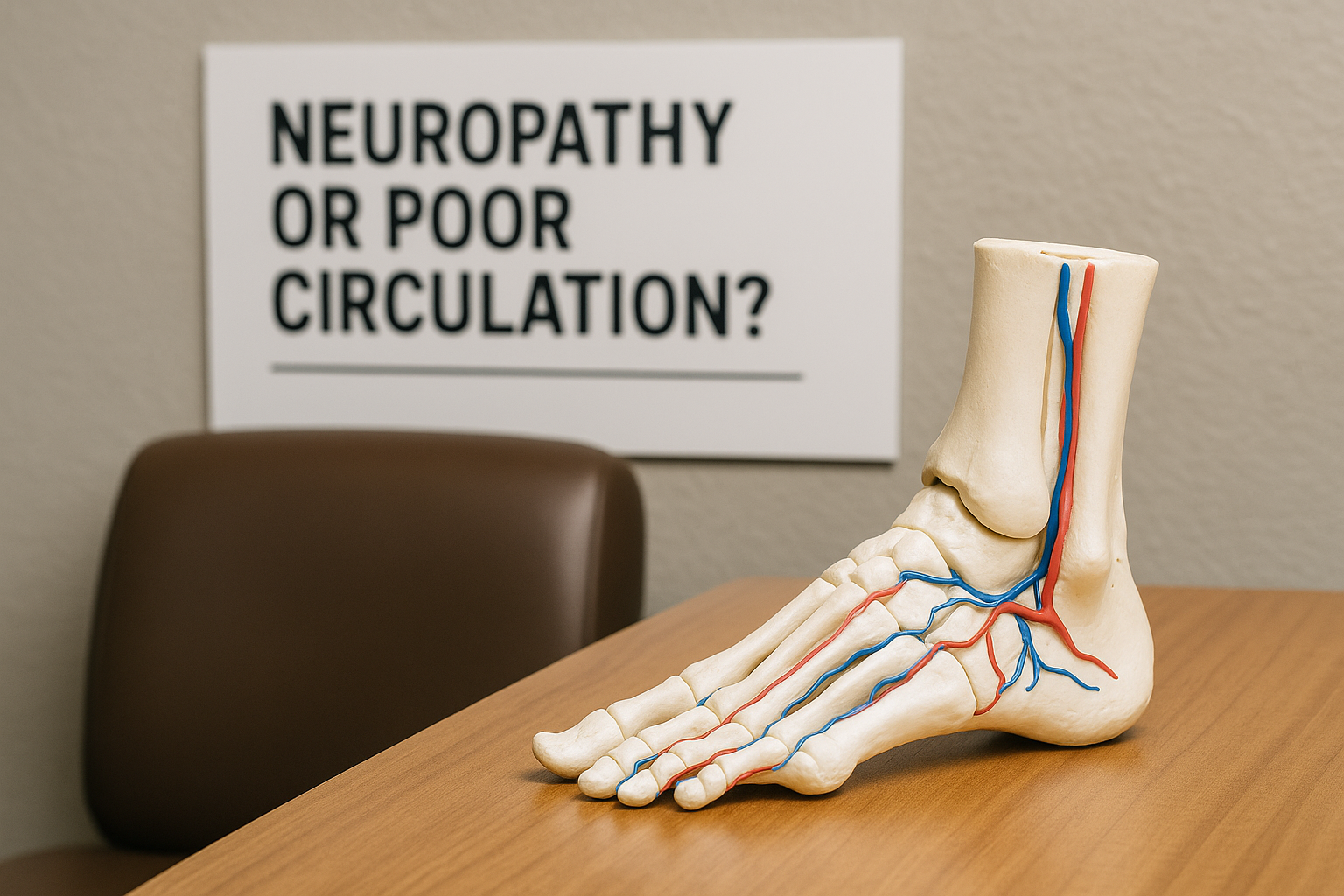
People sometimes confuse neuropathy with circulation problems because both can affect the feet and legs. Poor circulation does not directly cause every case of neuropathy, but reduced blood flow can worsen tissue health and contribute to discomfort, coldness, cramping, or slow healing.
Peripheral artery disease and other vascular conditions can occur alongside neuropathy, especially in older adults and people with diabetes, high blood pressure, or a history of smoking. Distinguishing between nerve-related symptoms and blood flow problems is important because the treatment approach may differ.
Idiopathic Neuropathy
In some cases, no clear cause is found even after a careful workup. This is called idiopathic neuropathy. While that can be frustrating, it does not mean the symptoms are not real. It simply means the underlying reason is not easily identified with current testing.
Even without a single confirmed cause, symptom monitoring, lifestyle changes, and supportive care may still help protect function and comfort.
Why Symptoms Usually Start in the Feet
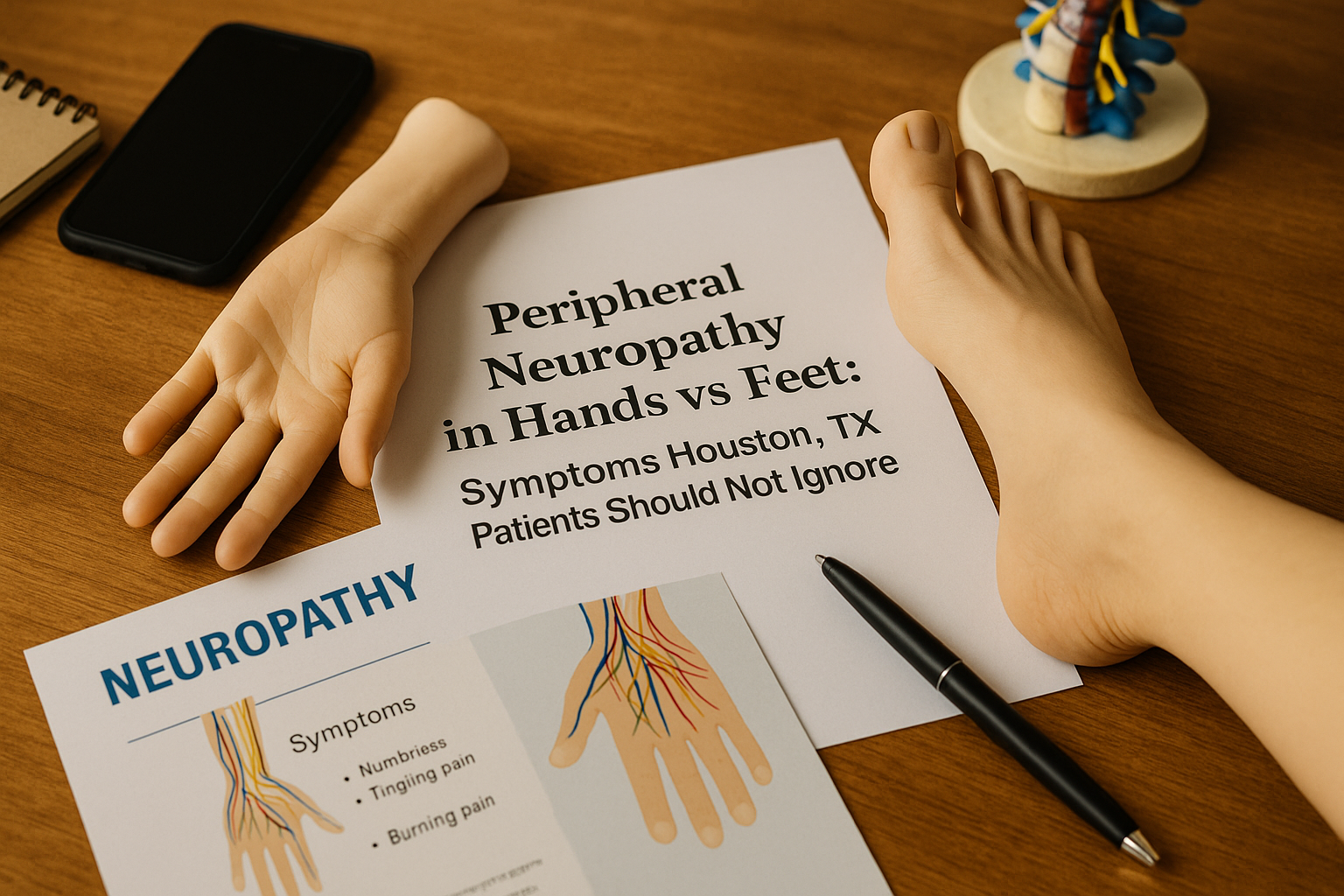
Many patients ask why neuropathy tends to affect the feet before the hands or other body areas. One reason is that the nerves traveling to the feet are among the longest in the body. Longer nerves are often more vulnerable to damage from metabolic stress, inflammation, toxins, and poor blood supply.
This pattern is sometimes called a stocking distribution because symptoms begin in the toes and move upward like a sock. If the problem progresses, the hands may later become involved in a glove-like pattern as well.
Because the feet bear body weight and contact the ground constantly, nerve changes there can also become noticeable sooner. Loss of sensation in the feet may affect stability, increase the risk of falls, and make routine activities more difficult.
Important Signs You Should Not Ignore
Some mild tingling may come and go after sitting awkwardly or wearing tight shoes, but persistent or worsening symptoms deserve attention. Numbness is not something to dismiss, especially when it affects safety and mobility.
Seek medical evaluation if you notice:
- Numbness that does not go away
- Burning or stabbing foot pain that disrupts sleep
- Weakness in the feet or legs
- Frequent tripping or balance problems
- Loss of ability to feel cuts, blisters, or temperature
- Symptoms that spread upward over time
- New nerve symptoms after illness, injury, or medication changes
- Foot wounds that heal slowly
Sudden severe weakness, rapid progression, or symptoms that affect walking significantly should be addressed promptly.
How Peripheral Neuropathy Is Evaluated
Diagnosing neuropathy starts with a careful history and physical examination. A clinician may ask when symptoms started, whether they are constant or intermittent, what they feel like, and whether there is a history of diabetes, alcohol use, nutritional concerns, infection, autoimmune disease, back problems, or medication changes.
The physical exam often includes checking reflexes, strength, balance, sensation, and circulation in the feet and legs. Depending on the situation, further evaluation may include blood tests, imaging, or nerve studies to look for possible causes and to determine whether the problem is affecting sensory nerves, motor nerves, or both.
This process matters because treatment should match the cause whenever possible. Numbness from diabetes, a vitamin deficiency, a compressed nerve, and a medication side effect may all feel similar at first, but they are managed differently.
What Neuropathy Can Mean for Daily Life
Neuropathy can affect much more than comfort. It may interfere with sleep, exercise, work, and confidence while walking. If the feet become numb, patients may have trouble judging the ground beneath them. If pain becomes intense at night, rest may suffer. If weakness develops, climbing stairs or standing for long periods can become harder.
There are also safety concerns. A person with reduced sensation may not notice a hot surface, a blister from a shoe, or a small injury from stepping on something sharp. Over time, this can lead to skin breakdown or infection, especially in people with diabetes or circulation issues.
That is why daily foot awareness is important. Looking for redness, cuts, swelling, pressure points, nail problems, or skin changes can help catch issues early.
General Approaches to Neuropathy Treatment Houston Patients May Discuss With a Clinician
When people search for neuropathy treatment Houston, they are often hoping for one simple fix. In reality, treatment depends on the cause, severity, and type of symptoms present. The main goals are usually to identify and address the underlying condition, reduce discomfort, protect function, and prevent further nerve damage.
Depending on the individual case, a clinician may discuss:
- Improving blood sugar control in diabetes or prediabetes
- Correcting vitamin deficiencies or nutritional problems
- Adjusting medications if side effects are suspected
- Managing thyroid, kidney, liver, or autoimmune conditions
- Physical therapy or balance-focused rehabilitation
- Footwear changes to reduce pressure and improve stability
- Strategies to protect numb feet from injury
- Medications or other methods to help manage nerve pain
Lifestyle habits can also matter. Limiting alcohol, supporting healthy blood sugar levels, staying physically active within safe limits, and checking the feet regularly may help support overall nerve health. If back-related nerve compression is part of the problem, posture, body mechanics, and musculoskeletal care may also be relevant.
Practical Examples of When Symptoms Need a Closer Look
Sometimes neuropathy develops in ways that seem easy to explain away. A few examples show why symptoms should be considered in context.
A person with diabetes may assume nighttime burning is just tired feet, but it could be early diabetic nerve damage. Someone following a restrictive diet may think occasional tingling is from stress, when a vitamin deficiency is contributing. An older adult who feels unsteady may blame aging, although reduced sensation in the feet is affecting balance. A patient recovering from a back injury may focus only on muscle pain while ongoing nerve compression causes numbness down one leg.
These situations are common because neuropathy symptoms can overlap with many other issues. Paying attention to patterns, progression, and associated health conditions is often the key to getting useful answers.
When to Take Foot Numbness Seriously
If you are asking yourself, why do my feet feel numb, it is worth taking that question seriously when the feeling keeps returning or does not resolve. Occasional temporary numbness from position or pressure is common. Persistent numbness, however, is a sign that the nerves, blood flow, or spine may need evaluation.
It is especially important to seek care if numbness is paired with pain, weakness, loss of balance, skin changes, or a history of diabetes. The combination of reduced sensation and unnoticed injury can create complications over time.
Even when symptoms are mild, early evaluation may help uncover reversible causes before nerve problems become more advanced.
Conclusion
The causes of peripheral neuropathy in feet and legs are varied, but the symptoms should not be ignored. Diabetes, vitamin deficiencies, alcohol use, injuries, autoimmune disease, infections, medication side effects, and other medical conditions can all play a role in damaging the nerves that serve the lower extremities.
Because peripheral neuropathy symptoms often begin gradually, many people live with numbness, tingling, burning, or weakness longer than they should. Yet those sensations can be important clues that something deeper needs attention. Understanding why symptoms happen is the first step toward protecting mobility, comfort, and long-term foot health.
If numbness or pain in the feet and legs is persistent, progressive, or affecting daily activities, a proper medical evaluation can help identify the most likely cause and guide the next steps in care.