Knee arthritis can make everyday life feel much harder than it should. Walking through the grocery store, getting up from a chair, climbing stairs, or standing for long periods may all become painful when the knee joint is inflamed and worn down. Many people assume that once arthritis knee pain begins, surgery is the only path forward. In reality, there are many non-surgical treatment options for arthritis knee pain in Houston that may help reduce discomfort, improve movement, and support better function.
For patients trying to avoid knee surgery in Houston, it is important to understand that treatment usually works best when it is personalized. The right plan depends on factors such as the severity of arthritis, daily activity level, weight, overall health, past injuries, and how much pain interferes with normal routines. In many cases, conservative care can provide meaningful relief and delay or reduce the need for more invasive procedures.
This guide explains common non-surgical approaches, how they may help, and what patients should keep in mind when exploring arthritis knee pain treatment in Houston.
Understanding Arthritis Knee Pain
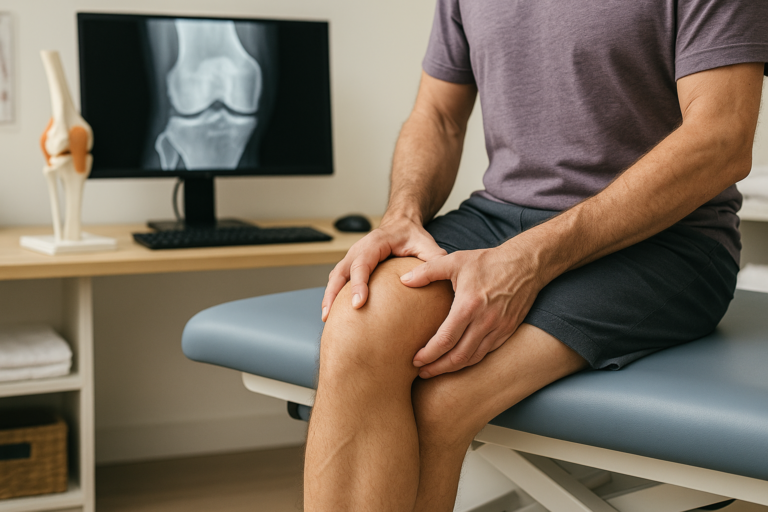
Arthritis in the knee often develops when the cartilage that cushions the joint gradually breaks down. Osteoarthritis is the most common type, especially in older adults, but inflammatory conditions such as rheumatoid arthritis can also affect the knee. As the joint changes, people may notice pain, stiffness, swelling, grinding sensations, reduced flexibility, or weakness around the knee.
Symptoms are not always the same from person to person. Some people mainly feel pain after activity, while others experience morning stiffness or discomfort that worsens after sitting too long. Weather changes, long work shifts, sports history, and extra body weight can all affect symptoms. Because knee pain can also come from tendon problems, meniscus injuries, bursitis, or referred pain from the hip or back, a proper evaluation is important before starting any treatment plan.
Why Patients Often Look for Non-Surgical Care First
Many patients prefer to begin with conservative treatment before considering surgery. That approach is often reasonable because non-surgical options can help address pain, inflammation, strength, mobility, and joint stress without the recovery demands of an operation.
Patients seeking natural treatment for knee arthritis or hoping to avoid knee surgery in Houston commonly want to:
- Stay active and independent
- Reduce daily pain and stiffness
- Improve walking, balance, and joint movement
- Support the knee with exercise and lifestyle changes
- Delay surgery until it is truly necessary, if possible
- Explore lower-risk options first
Conservative treatment does not mean doing only one thing. It often involves combining multiple strategies that work together over time.
Physical Therapy and Targeted Exercise
One of the most effective non-surgical treatment options for arthritis knee pain in Houston is a structured exercise program. Although movement may sound difficult when the knee hurts, the right kind of activity can reduce symptoms rather than worsen them. Physical therapy often focuses on improving strength, flexibility, joint mechanics, and balance.
How exercise helps
The knee depends on nearby muscles for support, especially the quadriceps, hamstrings, glutes, and calf muscles. When those muscles are weak, more stress may fall directly on the joint. Strengthening them can improve alignment and reduce pressure during walking, standing, and stair climbing.
Stretching and mobility work can also help decrease stiffness. For example, improving flexibility in the hamstrings and calves may make it easier to bend and straighten the knee more comfortably.
Common therapy-based strategies
- Quadriceps and hip strengthening exercises
- Gentle range-of-motion training
- Balance and stability work
- Gait training for walking mechanics
- Low-impact conditioning
- Activity modification education
Patients often do best when they follow a plan consistently instead of exercising only when symptoms flare. A well-designed program should be gradual and adapted to the individual’s pain level and function.
Low-Impact Aerobic Activity
Regular aerobic movement can be very helpful for knee arthritis, especially when it is low impact. The goal is to keep the joint moving, maintain circulation, support weight management, and improve general conditioning without placing excessive force on the knee.
Examples include:
- Walking on even surfaces
- Stationary cycling
- Swimming
- Water aerobics
- Elliptical training, if comfortable
Water-based exercise can be particularly useful because buoyancy reduces pressure on the joints while allowing muscles to work. For people with significant pain, this can be a more comfortable way to start becoming active again.
A practical example is someone who struggles with a 30-minute neighborhood walk but tolerates 10 minutes on a stationary bike or 20 minutes in a pool. Starting with what is manageable often leads to more sustainable progress than trying to push through severe discomfort.
Weight Management and Joint Load Reduction
For many people, body weight plays a major role in knee arthritis symptoms. The knee bears substantial force with every step, and carrying extra weight can increase the mechanical load on the joint. Even modest weight reduction may help lower stress on the knees and make movement easier.
This does not mean patients need extreme diets or unrealistic goals. Instead, gradual and sustainable changes can matter, such as:
- Reducing portion sizes
- Improving protein and fiber intake
- Limiting sugary drinks and heavily processed foods
- Building a weekly activity routine
- Working with medical professionals when weight-related conditions are present
Weight management is often one of the most overlooked forms of arthritis knee pain treatment in Houston, yet it can support nearly every other part of a conservative care plan.
Medications for Symptom Relief
Medication can be part of a non-surgical approach, although the best choice depends on the patient’s health history and the cause of pain. Common options may include acetaminophen, nonsteroidal anti-inflammatory drugs (NSAIDs), or topical anti-inflammatory gels. Some people also use topical counterirritants that create warming or cooling sensations.
Important considerations include stomach irritation, kidney concerns, blood pressure effects, medication interactions, and proper dosing. Because of these issues, patients should not assume that over-the-counter means risk-free. A clinician can help determine whether oral or topical options are more appropriate and how they fit into an overall plan.
Medication often helps most when it supports movement. For example, reducing pain enough to make walking, stretching, or physical therapy possible can be more useful than relying on medication alone.
Bracing and Supportive Devices
Knee braces and assistive devices can help some patients feel more stable and comfortable during daily activity. The best option depends on where the arthritis is located in the knee and how severe the symptoms are.
Types of support that may help
- Compression sleeves for mild support and swelling control
- Unloader braces designed to shift pressure away from the most affected area of the joint
- Cane use, when appropriate, to reduce load during walking
- Supportive footwear or orthotics to improve alignment
Not every brace works for every patient. A poor fit can feel bulky, slip out of place, or offer little real benefit. A professional evaluation can help determine whether a brace is likely to improve comfort or function.
Injection-Based Non-Surgical Treatments
In some cases, injections may be considered as part of a broader plan for non-surgical treatment options for arthritis knee pain in Houston. These are generally used to manage pain and inflammation, especially when exercise and oral medications are not enough on their own.
Corticosteroid injections
Corticosteroid injections may help reduce inflammation and provide temporary pain relief in some patients. They are often considered when swelling and flare-ups are pronounced. However, relief may vary in duration, and repeated use should be discussed carefully with a qualified medical provider.
Viscosupplementation
Some patients may be offered hyaluronic acid injections, sometimes called viscosupplementation. The goal is to improve joint lubrication and comfort, though response differs from person to person. Some people notice improvement, while others do not experience significant change.
What patients should know
Injections are not a cure for arthritis. They are usually best viewed as one tool among many, not a stand-alone solution. They may create a window of symptom relief that allows a person to move more, participate in therapy, and build strength.
Heat, Ice, and Home Symptom Management
Simple home care measures can still play a meaningful role in symptom control. Patients looking for natural treatment for knee arthritis often start here, and for good reason. These approaches are accessible, low cost, and easy to use alongside medical treatment.
- Ice: Often helpful after activity or during swelling flare-ups
- Heat: May ease stiffness before movement or exercise
- Elevation: Can support swelling control after long periods on the feet
- Rest breaks: Helpful when pain increases with repetitive activity
For example, a person with morning stiffness may benefit from a warm shower or heating pad before starting the day, while someone whose knee swells after errands may do better with ice afterward.
Activity Modification Without Giving Up Movement
Many patients think they have only two choices: push through pain or stop being active entirely. In reality, smart activity modification can protect the joint while keeping people mobile.
Examples of helpful changes include:
- Breaking long periods of standing into shorter intervals
- Using handrails on stairs
- Choosing flatter walking routes
- Taking seated breaks during household chores
- Switching from high-impact workouts to low-impact options
- Using proper technique when lifting or squatting
The goal is not inactivity. Too little movement can increase stiffness, weaken muscles, and make arthritis symptoms worse over time. Instead, patients often benefit from adjusting how they move rather than stopping movement altogether.
Nutrition and Natural Supportive Strategies
People searching for a natural treatment for knee arthritis are often interested in food choices, supplements, and anti-inflammatory habits. Nutrition alone will not reverse joint damage, but it may support overall health, weight management, and symptom control.
General supportive habits may include:
- Eating a balanced diet rich in vegetables, fruits, lean proteins, legumes, and healthy fats
- Reducing highly processed foods when possible
- Staying hydrated
- Prioritizing sleep, which can affect pain perception and recovery
- Managing stress, since chronic stress may make pain feel harder to cope with
Some patients ask about supplements such as glucosamine, chondroitin, turmeric, or omega-3 fatty acids. Research is mixed, and benefits vary. Because supplements may interact with medications or may not be appropriate for everyone, patients should discuss them with a healthcare professional before use.
When Regenerative or Alternative Therapies Are Discussed
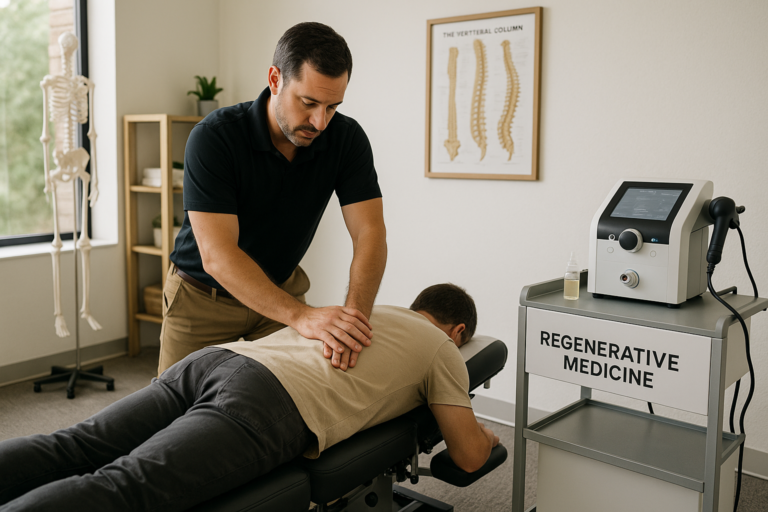
Patients exploring arthritis knee pain treatment in Houston may also hear about regenerative or alternative therapies. These are sometimes marketed aggressively, so it is wise to ask careful questions about the evidence, expected benefits, safety considerations, and whether the treatment is appropriate for a specific diagnosis.
Patients should be cautious about any clinic or source that promises guaranteed results, permanent cures, or universal success. Knee arthritis is complex, and ethical care should include realistic expectations, a proper assessment, and clear discussion of risks and limitations.
The Importance of a Personalized Evaluation
Not all knee arthritis is the same. One patient may have mild osteoarthritis with pain mainly during exercise, while another may have more advanced joint narrowing, instability, and swelling that limits work and sleep. Because of these differences, treatment should be individualized.
A thoughtful evaluation often considers:
- Where the pain is located
- How long symptoms have been present
- Whether the knee locks, gives out, or swells
- Past injuries or surgeries
- Current activity demands
- Other medical conditions
- Imaging findings, when appropriate
This matters because a patient with severe stiffness and muscle weakness may need a different starting point than someone whose main issue is activity-related inflammation. The most effective non-surgical plan is usually the one that matches the person’s real-life needs and limitations.
Signs That More Advanced Care May Be Needed
Although many people can benefit from conservative care, non-surgical treatment is not always enough forever. Patients should seek medical evaluation if knee pain is severe, progressively worsening, associated with major swelling, causing falls, or interfering significantly with sleep and daily function. Immediate attention is also important if there is fever, marked redness, inability to bear weight, or sudden severe pain after injury.
For some patients, surgery may eventually become appropriate if arthritis is advanced and quality of life remains poor despite well-planned non-surgical treatment. Even then, conservative care is still valuable, because it can help people stay stronger and more prepared while they weigh options.
What Patients in Houston Should Keep in Mind
For those looking into non-surgical treatment options for arthritis knee pain in Houston, the key takeaway is that surgery is not the only option to discuss. A combination of exercise therapy, weight management, medications, supportive devices, activity changes, injections, and healthy daily habits may offer real benefit. What works best is often not a single treatment, but a coordinated approach followed consistently over time.
Patients who want to avoid knee surgery in Houston should focus on early evaluation, realistic goals, and a treatment plan built around function, not just short-term pain relief. Walking more comfortably, standing longer, improving flexibility, and reducing flare-ups are all meaningful outcomes that can improve daily life.
Conclusion
Knee arthritis can be frustrating, limiting, and painful, but many patients have non-surgical paths worth exploring before moving to invasive procedures. Physical therapy, low-impact exercise, weight management, medications, braces, injections, and practical home strategies can all play a role in reducing symptoms and improving mobility. The most effective arthritis knee pain treatment in Houston is usually individualized, combining medical guidance with sustainable lifestyle changes.
Patients interested in natural treatment for knee arthritis or hoping to avoid knee surgery in Houston should remember that progress often comes from consistency rather than quick fixes. With the right evaluation and a thoughtful plan, many people can manage symptoms more effectively and continue doing more of the activities that matter to them.