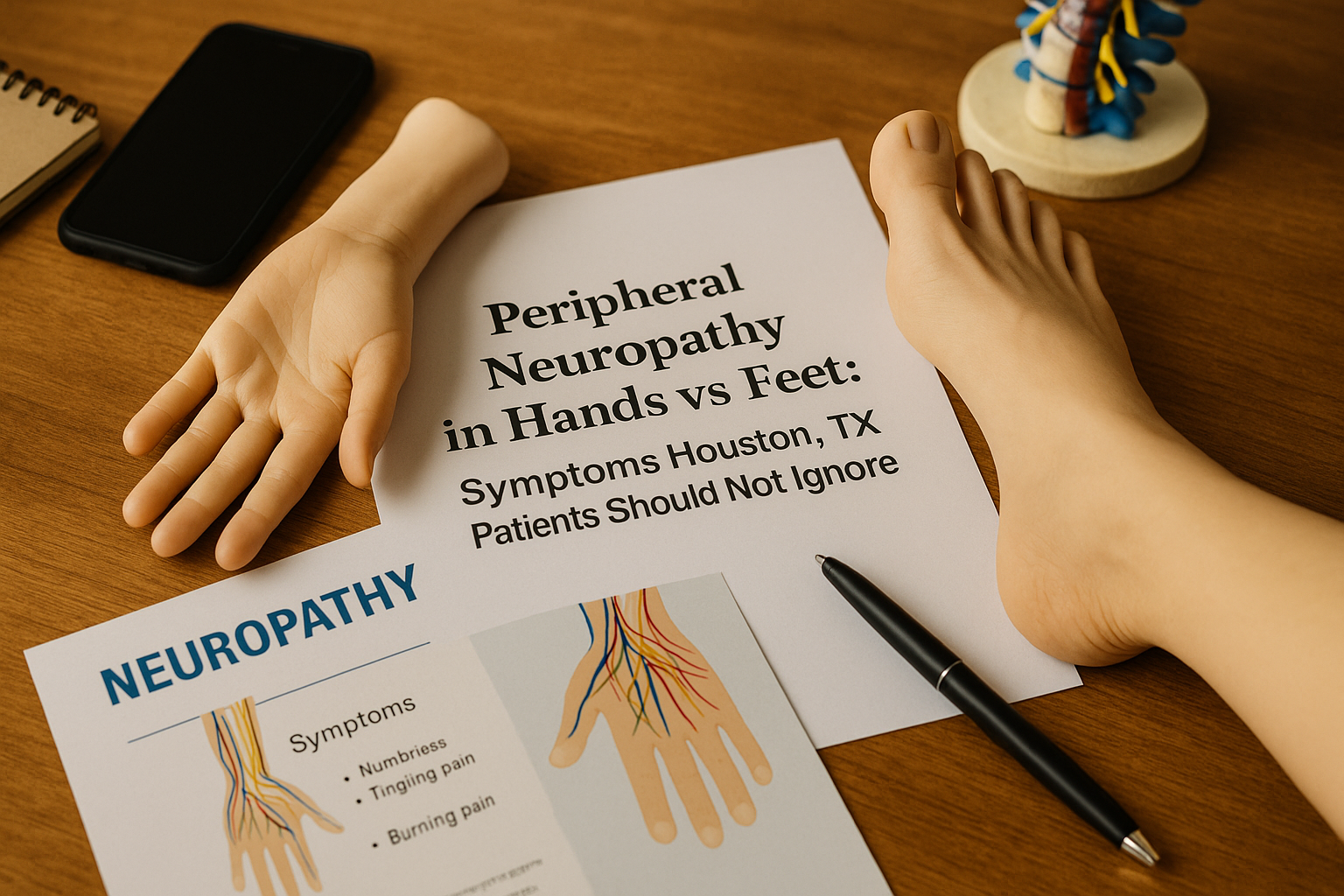
Numbness, tingling, burning, cold feet, and leg discomfort can be frustrating symptoms to sort out. Many people in Houston, TX wonder whether they are dealing with nerve-related problems or blood flow issues. The challenge is that neuropathy and circulation problems can sometimes feel similar at first, especially when symptoms affect the feet and lower legs.
Understanding the difference matters because the underlying causes, risks, and treatment approaches are not the same. In some cases, these conditions can even happen together. Knowing what signs to look for can help you recognize when symptoms may point to neuropathy, when they may suggest poor circulation, and when a professional evaluation is the right next step.
This guide explains the basics of neuropathy vs poor circulation, how symptoms may overlap, and what Houston patients should know when deciding whether they need further medical assessment.
Why Neuropathy and Poor Circulation Get Confused
The feet and legs depend on both healthy nerves and healthy blood flow. Nerves carry signals that allow you to feel temperature, pressure, pain, and movement. Blood vessels deliver oxygen and nutrients to tissues. When either system is not functioning well, symptoms can show up in similar ways.
For example, both neuropathy and circulation problems may cause:
- Numbness in the feet or toes
- Tingling or unusual sensations
- Weakness when walking
- Pain in the legs or feet
- Changes that seem worse at night or after activity
Because of this overlap, many people search for answers about leg numbness causes Houston residents commonly experience, especially if they have diabetes, a sedentary lifestyle, back problems, or a history of smoking or vascular disease.
The key difference is this: neuropathy is mainly a nerve problem, while poor circulation is mainly a blood flow problem.
What Is Neuropathy?
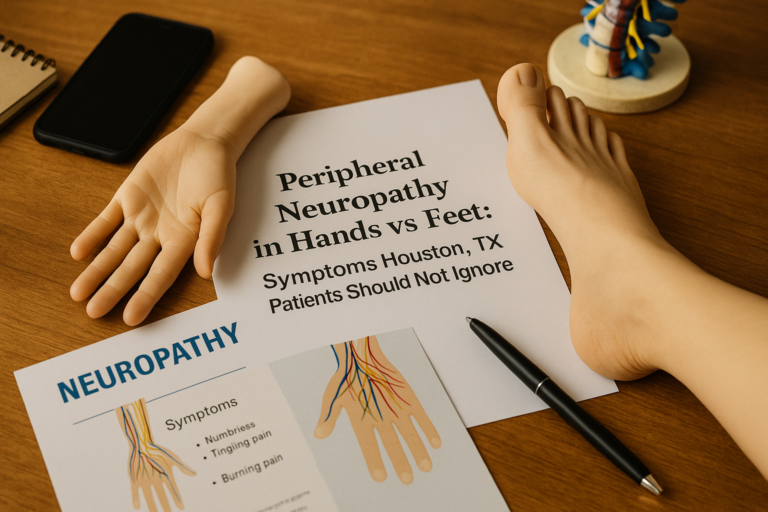
Neuropathy refers to damage or dysfunction in the nerves. Peripheral neuropathy affects nerves outside the brain and spinal cord, most often in the hands and feet. Symptoms usually begin gradually and may become more noticeable over time.
Common causes of neuropathy include:
- Diabetes or prediabetes
- Vitamin deficiencies, especially B vitamins
- Certain medications
- Alcohol misuse
- Autoimmune conditions
- Infections
- Kidney disease
- Injuries or nerve compression
Some patients also develop neuropathy without an obvious single cause. In these cases, a careful history and exam are often needed to better understand what may be contributing to symptoms.
Common Neuropathy Symptoms
Neuropathy often creates abnormal sensations. These symptoms may affect both feet in a fairly symmetrical way, and they may gradually move upward from the toes into the lower legs.
Common symptoms include:
- Burning pain
- Tingling or “pins and needles”
- Numbness in the toes or feet
- Heightened sensitivity to touch
- Feeling like you are wearing socks when barefoot
- Sharp, stabbing, or electric-like pain
- Muscle weakness
- Balance problems
Many patients with neuropathy say symptoms are especially bothersome at night. Bedding may feel irritating against the feet, or pain may seem out of proportion to what is touching the skin.
What Is Poor Circulation?
Poor circulation usually refers to reduced blood flow to a part of the body. In the legs and feet, this is often related to peripheral artery disease or other vascular issues that limit how efficiently blood reaches the tissues.
Blood flow problems can develop for many reasons, including:
- Atherosclerosis, or narrowing of the arteries
- Smoking
- High blood pressure
- High cholesterol
- Diabetes
- Obesity
- Lack of physical activity
- Blood clots or other vascular conditions
When circulation is reduced, the tissues in the legs and feet may not get enough oxygen, especially during movement or exercise.
Poor Circulation Symptoms in the Feet and Legs
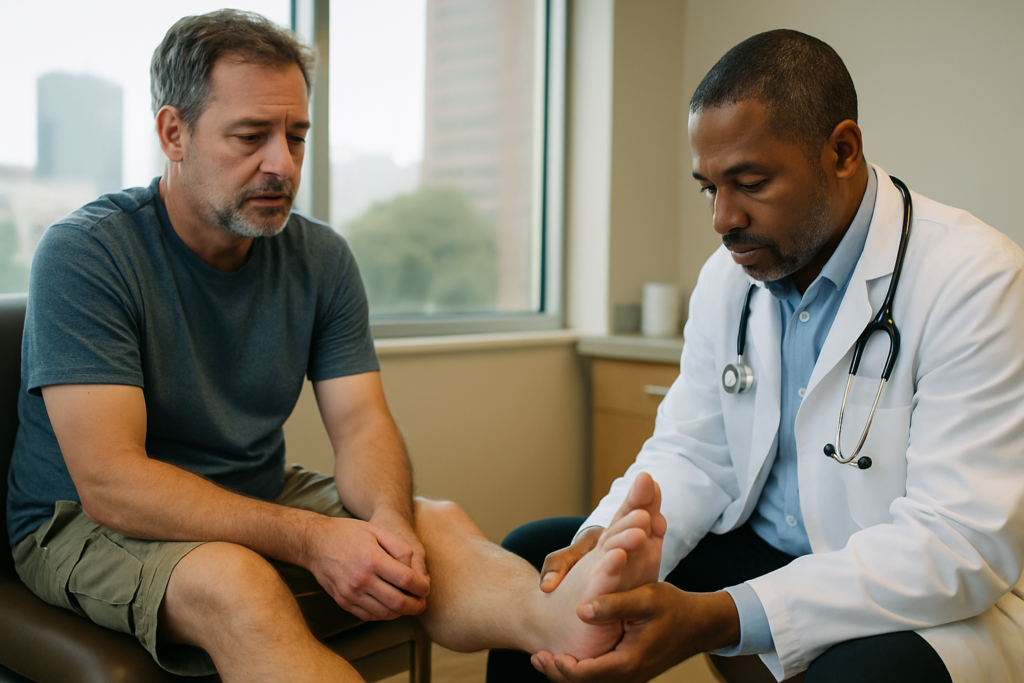
People looking up poor circulation symptoms feet often describe a combination of temperature changes, color changes, and discomfort with walking.
Common symptoms of poor circulation include:
- Cold feet or cold lower legs
- Pale, bluish, or shiny skin
- Cramping pain in the calves during walking
- Leg fatigue with activity
- Weak or hard-to-feel pulses in the feet
- Slow-healing sores or wounds
- Hair loss on the legs
- Feet that feel better with rest after pain from walking
Unlike neuropathy, circulation-related discomfort is often more directly connected to activity. A person may walk a certain distance, develop calf pain or heaviness, then improve after stopping and resting.
Neuropathy vs Poor Circulation: Key Differences
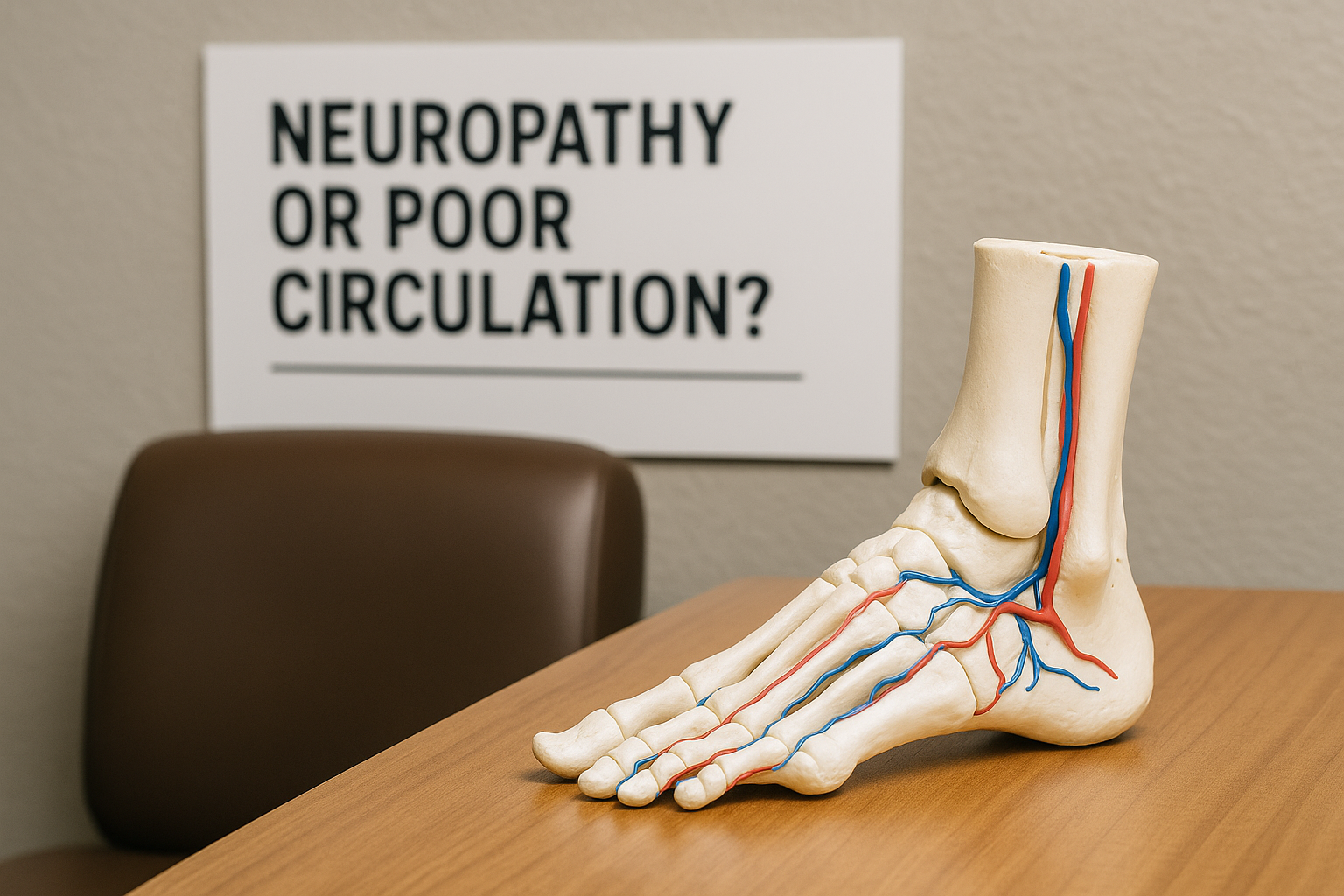
If you are trying to compare neuropathy vs poor circulation, it helps to look closely at the pattern of symptoms rather than focusing on a single sensation.
1. Type of Sensation
Neuropathy is more likely to cause burning, tingling, pins and needles, electric pain, or reduced sensation.
Poor circulation is more likely to cause coldness, heaviness, cramping with exertion, and visible skin changes.
2. Timing of Symptoms
Neuropathy often bothers people at rest or at night. Symptoms can be persistent and may not be tied to walking distance.
Poor circulation often becomes more noticeable during physical activity and may improve when the person rests.
3. Skin and Tissue Changes
Neuropathy may not always cause obvious external changes early on, though severe numbness can lead to unnoticed injuries.
Poor circulation is more likely to be associated with cool skin, color changes, delayed wound healing, and changes in hair growth or skin texture.
4. Balance and Coordination
Neuropathy commonly affects balance because the brain receives less accurate information from the feet.
Poor circulation may cause weakness or fatigue, but balance trouble related to sensation loss is more strongly associated with nerve issues.
5. Pain Pattern
Neuropathy can produce pain even when you are not moving.
Poor circulation often creates pain that is triggered by walking or exertion, particularly in the calves.
When Symptoms Overlap
One reason these conditions can be hard to separate is that they may occur together. Diabetes is a good example. It can damage nerves over time, but it can also contribute to blood vessel disease. That means one person can have tingling and numbness from neuropathy while also experiencing poor healing or exertional leg pain from circulation problems.
Other conditions can also complicate the picture. A person may have:
- Neuropathy plus lumbar spine issues causing leg symptoms
- Poor circulation plus swelling from venous problems
- Nerve compression plus metabolic disease
- Foot pain related to joint problems rather than either nerves or circulation
This is why self-diagnosis has limits. Similar symptoms do not always mean the same condition.
Practical Examples Houston Patients May Recognize
Looking at symptom patterns in everyday life can make the distinction clearer.
Example 1: Nighttime Burning and Tingling
A person notices that both feet burn at night. The sheets feel uncomfortable against the toes, and there is a pins-and-needles sensation even while lying still. The feet are not especially cold, and walking does not consistently trigger the pain.
This pattern is more suggestive of neuropathy.
Example 2: Calf Cramping During Walks
A person feels tight, cramping calves after walking several blocks. The pain eases after stopping to rest. Their feet also seem colder than usual, and a small cut on the foot is taking a long time to heal.
This pattern raises more concern for circulation problems.
Example 3: Numb Toes With Diabetes
A person with diabetes notices numbness in the toes and reduced ability to feel the floor. They may also have dry skin or a sore that is slow to improve.
In this situation, both neuropathy and poor circulation could be playing a role, making a professional assessment especially important.
Important Risk Factors to Take Seriously
Some risk factors make either condition more likely and should not be ignored.
Risk factors commonly linked to neuropathy include:
- Diabetes
- Prediabetes
- Alcohol misuse
- Nutritional deficiencies
- Autoimmune disease
- Family history of nerve disorders
Risk factors commonly linked to poor circulation include:
- Smoking history
- High blood pressure
- High cholesterol
- Diabetes
- Heart disease
- Older age
- Limited activity
If you have multiple risk factors and develop numbness, pain, or poor circulation symptoms feet can be known for, it is wise to seek medical guidance rather than assuming the problem will resolve on its own.
When to Seek Prompt Medical Attention
Some symptoms should be evaluated sooner rather than later. Seek prompt medical care if you notice:
- A foot wound or sore that is not healing
- Sudden weakness in the leg or foot
- Rapidly worsening numbness
- Severe pain in the leg at rest
- Marked color changes in the foot
- One foot that suddenly becomes very cold
- Loss of balance leading to falls
- New symptoms along with uncontrolled diabetes
These signs can point to more urgent nerve or vascular concerns and should not be delayed.
What a Neuropathy Evaluation May Involve
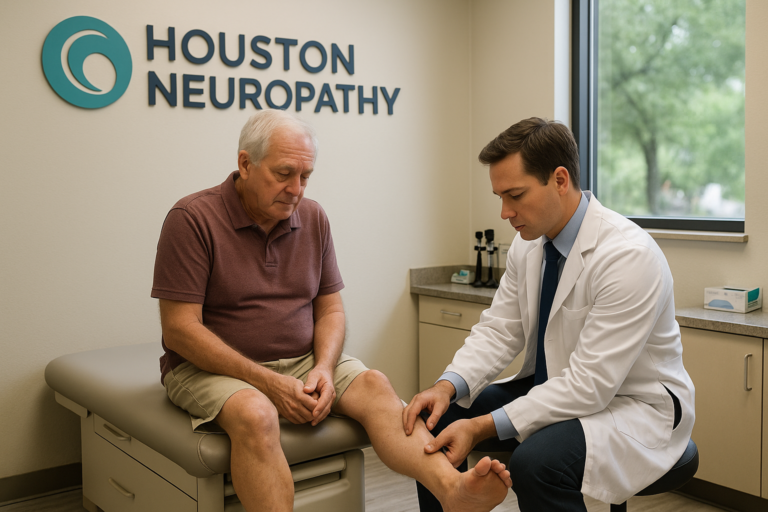
For patients searching for a neuropathy evaluation Houston TX, it helps to know what a general assessment may include. A medical evaluation is usually aimed at identifying whether the symptoms are nerve-related, circulation-related, or due to another cause entirely.

An evaluation may include:
- A review of symptoms and when they occur
- Medical history, including diabetes, medications, and family history
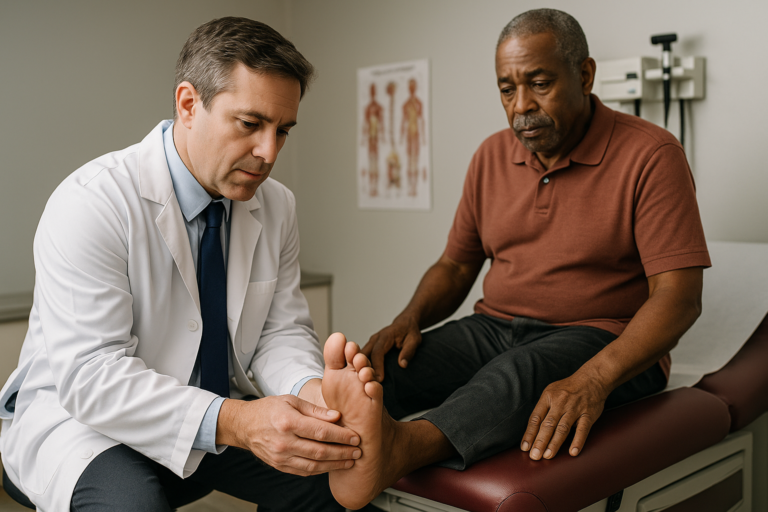
- Physical examination of the feet and legs
- Testing sensation, reflexes, and muscle strength
- Checking pulses and skin condition
- Assessment of balance and gait
- Lab work if metabolic or nutritional causes are suspected
- Additional testing or referrals depending on findings
The goal is not just to label symptoms, but to understand their source so the next steps make sense.
Why Early Evaluation Matters
Waiting too long can allow symptoms to worsen and make daily life more difficult. Nerve problems may progress gradually, leading to increased numbness, pain, or balance issues. Circulation problems can raise the risk of poor wound healing and tissue damage if blood flow is significantly limited.
Early evaluation may help with:
- Finding reversible or manageable causes
- Reducing the risk of falls
- Protecting foot health
- Improving comfort and mobility
- Identifying whether vascular assessment is needed
- Managing related conditions such as diabetes or high cholesterol
For many Houston patients, the most important step is moving beyond guesswork. Even if symptoms seem mild at first, recurring numbness or unexplained foot and leg discomfort deserves attention.
Steps Patients Can Take While Seeking Answers
Although diagnosis should come from a medical professional, there are practical ways to support your health while monitoring symptoms.
Pay Attention to Patterns
Note when symptoms happen, what they feel like, and whether activity makes them better or worse. This can help a clinician distinguish nerve symptoms from circulation-related pain.
Check Your Feet Regularly
If you have numbness or diabetes, inspect your feet daily for cuts, redness, swelling, blisters, or sores. Reduced sensation can make injuries easy to miss.
Manage Chronic Conditions
Good control of blood sugar, blood pressure, and cholesterol is important for both nerve and vascular health.
Stay Active Safely
Movement supports circulation and overall health, though activity plans should match your condition and comfort level.
Avoid Tobacco
Smoking is especially harmful to blood vessels and can worsen circulation problems.
Choose Protective Footwear
Well-fitting shoes can help reduce the risk of unnoticed injuries, particularly when sensation is reduced.
Understanding the Difference Can Guide the Next Step
Symptoms in the feet and legs are easy to dismiss at first. A little numbness may seem minor. Cold toes may be blamed on the weather or long workdays. But persistent changes in sensation, pain, temperature, or healing can point to a real medical issue.
When comparing neuropathy vs poor circulation, remember that neuropathy tends to create abnormal nerve sensations such as burning, tingling, and numbness, while circulation problems are more likely to involve coldness, exertional cramping, skin changes, and delayed healing. Still, the line is not always clear, especially when a person has diabetes or more than one health condition.
For Houston, TX patients dealing with unexplained symptoms, a careful medical evaluation can help clarify the cause and reduce uncertainty. Recognizing the warning signs early is one of the best ways to protect long-term foot health, mobility, and quality of life.
Conclusion
Neuropathy and poor circulation can both affect the legs and feet, but they are not the same problem. One mainly involves nerve function, while the other involves blood flow. Because the symptoms can overlap, it is important not to rely on assumptions alone. Ongoing numbness, tingling, burning, cold feet, cramping with walking, or slow-healing wounds all deserve attention.
By understanding common leg numbness causes Houston patients may face and recognizing the signs of both nerve and circulation issues, you can make more informed decisions about your health. A timely evaluation can help identify the source of symptoms and support the right plan for protecting comfort, mobility, and overall well-being.