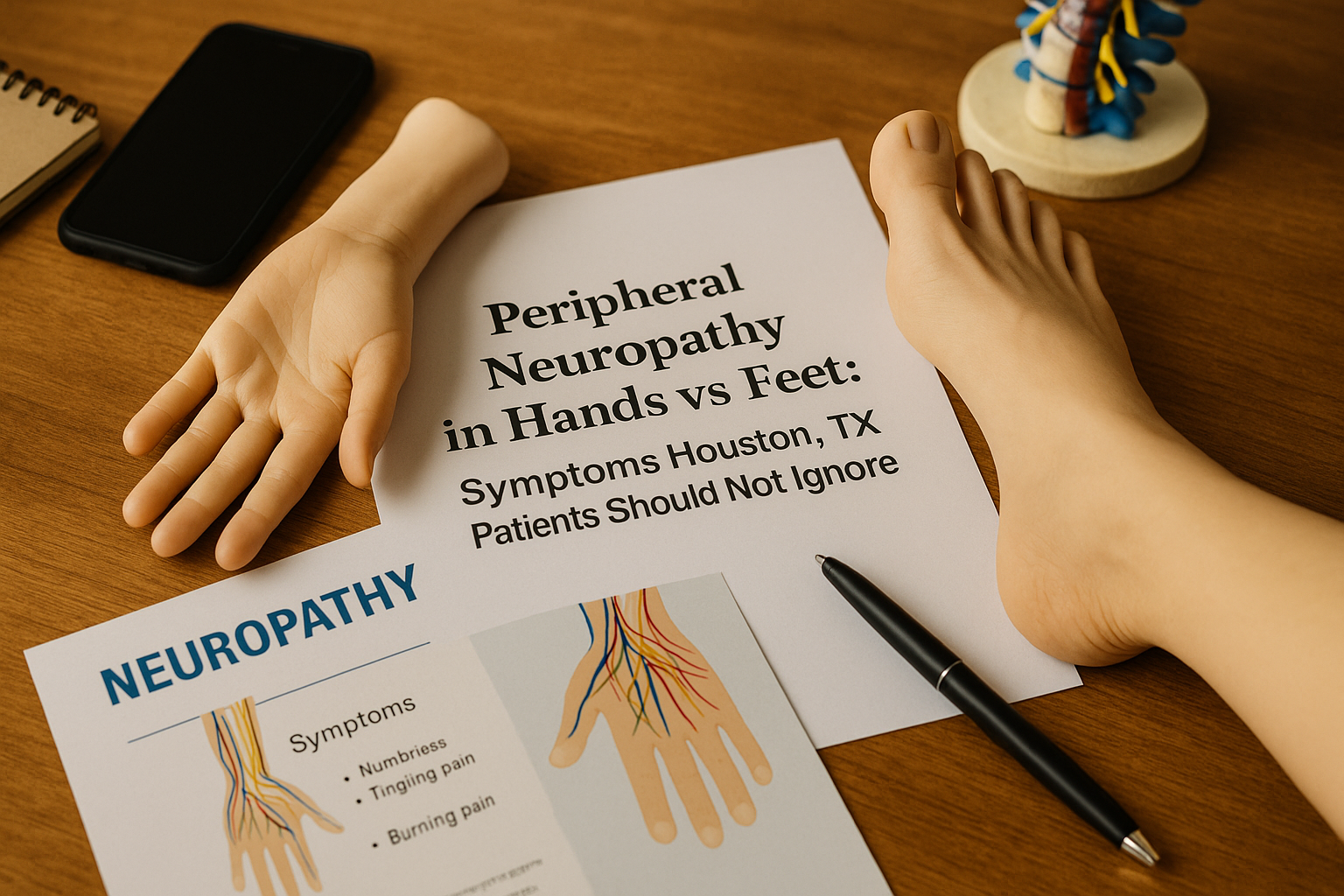
Peripheral neuropathy is often associated with burning pain, tingling, or numbness in the feet and hands. However, many people are surprised to learn that it can also interfere with balance and stability. For patients dealing with peripheral neuropathy balance problems in Houston, TX, understanding this connection is important because poor sensation in the feet can increase the risk of trips, stumbles, and falls.
Balance depends on several body systems working together. Your brain needs accurate input from your eyes, inner ears, muscles, joints, and the nerves in your feet and legs. When peripheral nerves are damaged, that communication can become less reliable. As a result, a person may feel unsteady when walking, have trouble sensing the floor beneath them, or feel less confident on stairs, uneven ground, or in low light.
This article explains how neuropathy can affect balance, why neuropathy and fall risk are closely linked, what warning signs to notice, and which practical steps may help reduce the chance of injury.
What Is Peripheral Neuropathy?
Peripheral neuropathy refers to damage or dysfunction of the peripheral nerves, which are the nerves outside the brain and spinal cord. These nerves help carry messages related to sensation, movement, and automatic body functions. When they are injured, signals may be reduced, distorted, delayed, or painful.
Symptoms can vary depending on which nerves are affected, but common neuropathy symptoms include:
- Numbness in the feet or toes
- Tingling or a “pins and needles” feeling
- Burning, stabbing, or electric-like pain
- Sensitivity to touch
- Muscle weakness
- Trouble feeling temperature or pressure
- A sense of walking on cotton, sand, or padding
For many people, symptoms begin gradually and may be more noticeable at night. Because the feet are commonly affected first, changes in sensation can interfere with walking before a person fully realizes how much feeling has been lost.
How Neuropathy Affects Balance
To stay upright, the body constantly adjusts posture based on sensory feedback. The nerves in your feet play a major role by telling your brain where your feet are positioned, how firmly they are contacting the ground, and whether the surface is stable or uneven.
When neuropathy disrupts those signals, several problems can develop.
Reduced Awareness of Foot Position
If you cannot clearly feel the floor, it becomes harder to judge where your foot lands with each step. This can lead to hesitation, shuffling, wider steps, or awkward foot placement. Over time, these changes may make walking less efficient and less stable.
Delayed Response to Uneven Surfaces
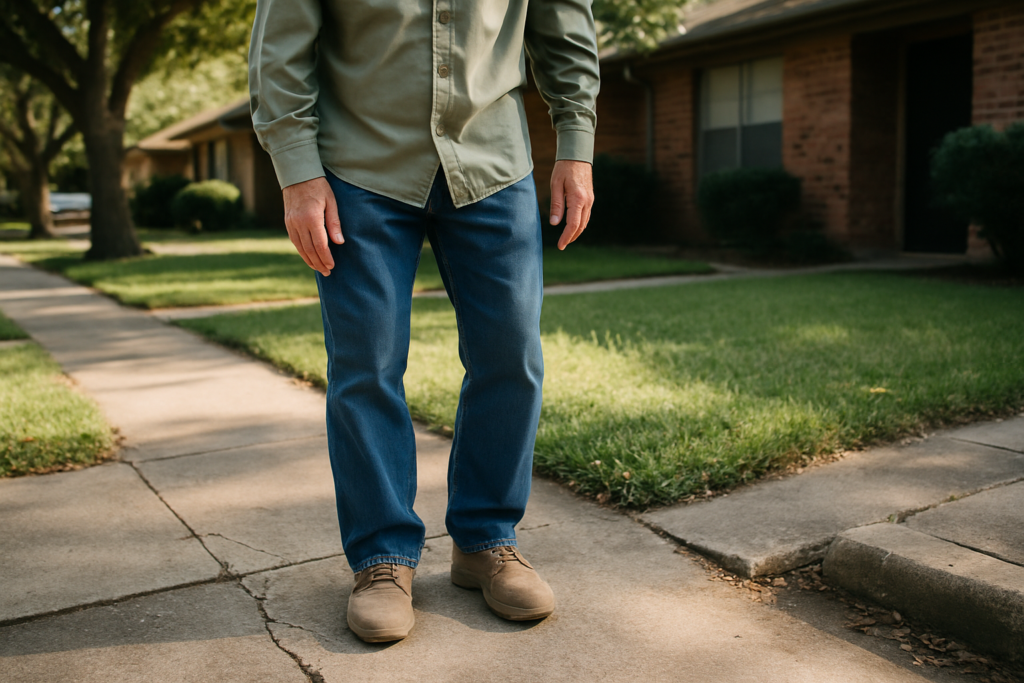
Small changes in terrain, such as a curb, rug edge, cracked sidewalk, or wet floor, usually trigger quick corrections in posture. With neuropathy, those corrections may happen more slowly because the sensory warning signs are weaker. This can increase the likelihood of tripping.
Muscle Weakness
Some forms of neuropathy affect motor nerves as well as sensory nerves. If the muscles in the legs, ankles, or feet become weaker, a person may have difficulty lifting the front of the foot, climbing stairs, or regaining balance after a stumble.
Greater Dependence on Vision
When the feet provide less sensory feedback, the body often relies more heavily on eyesight to stay balanced. That is one reason people with numb feet balance issues may feel more unsteady in dim lighting, at night, or when moving quickly through busy environments.
Changes in Walking Pattern
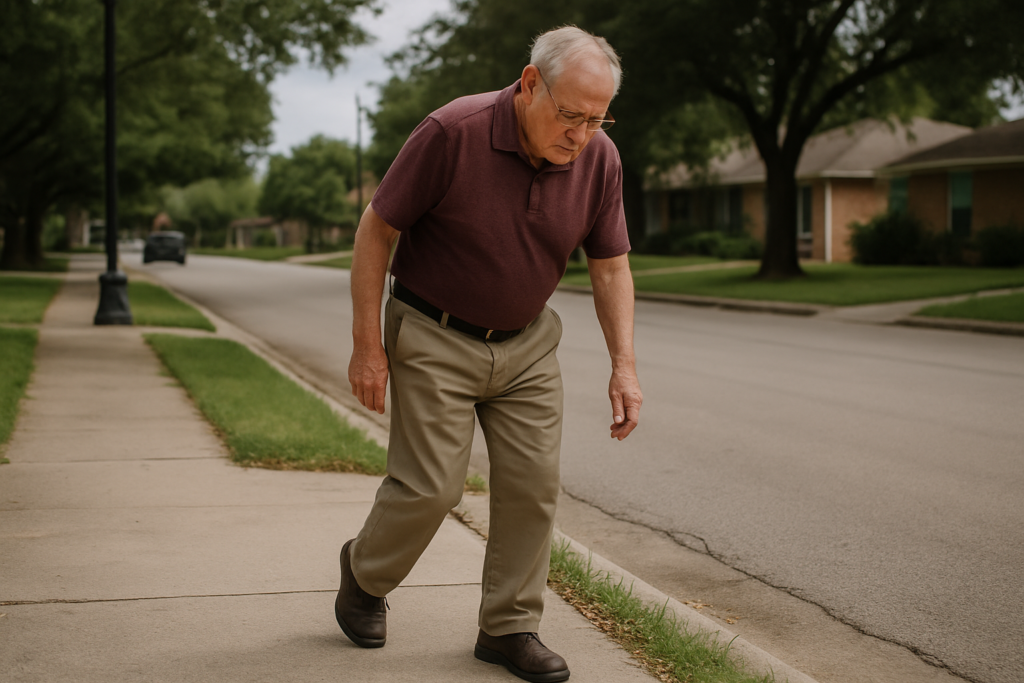
Many people with neuropathy adopt a slower, more cautious gait. While this may feel safer, it can also reflect reduced confidence and reduced control. Shorter steps, stiffness, and looking down constantly while walking may all signal that balance has been affected.
Why Neuropathy and Fall Risk Are Connected
The link between neuropathy and fall risk is not just about feeling clumsy. Falls happen when balance, strength, coordination, reaction time, and environmental awareness are compromised. Neuropathy can affect several of those areas at once.
A patient with numb feet may not notice that one foot is partly off a step. Another person may not feel a shoe slipping loose or realize that the floor surface has changed. Someone with neuropathy-related weakness may have trouble recovering after catching a toe on a threshold. Even mild symptoms can matter if they occur during a quick turn, while carrying groceries, or when getting up at night.
Fall risk may be even higher when neuropathy occurs alongside other common issues such as:
- Older age
- Poor vision
- Inner ear problems
- Arthritis
- Muscle weakness
- Diabetes
- Sedating medications
- Low blood pressure or dizziness
- A history of previous falls
Because falls can lead to fractures, head injuries, reduced mobility, and fear of walking, identifying balance problems early is important.
Signs That Neuropathy May Be Affecting Your Balance
Not every patient with peripheral neuropathy will notice dramatic instability. In many cases, the signs are subtle at first. You may want to pay attention if you notice any of the following:
- You feel less steady when walking on grass, gravel, or uneven pavement
- You need to watch your feet closely while walking
- You feel wobbly in the dark or when your eyes are closed
- You trip more often on curbs, steps, or rugs
- You hold onto walls, furniture, or railings more than you used to
- You feel unsure on stairs
- You avoid long walks because your feet feel strange or unreliable
- You have had a recent near-fall or actual fall
Patients looking into neuropathy symptoms in Houston, TX often focus on pain or numbness, but changes in stability can be just as important. If walking feels different, slower, or less confident than before, that should not be ignored.
Common Causes of Peripheral Neuropathy
Peripheral neuropathy is not a single disease. It is a condition with many possible causes. Identifying the underlying reason matters because management often depends on the source of nerve damage.
Common causes include:
- Diabetes or prediabetes
- Vitamin deficiencies, especially certain B vitamins
- Alcohol misuse
- Certain medications, including some chemotherapy drugs
- Autoimmune conditions
- Kidney disease
- Thyroid disorders
- Infections
- Nerve compression or injury
- Inherited nerve disorders
Sometimes the cause remains unclear even after evaluation. Regardless of the cause, persistent numbness, pain, or balance changes deserve medical attention.
How Balance Problems Can Affect Daily Life
Balance problems from neuropathy can gradually change how a person moves through daily routines. Some people stop exercising because they do not trust their footing. Others become more cautious with stairs, showers, curbs, or busy parking lots. A person may start choosing chairs with armrests to make standing easier or avoid walking outside after dark.
These changes may seem small, but they can affect independence, physical conditioning, and peace of mind. Reduced activity can lead to weaker muscles and stiffer joints, which may further increase fall risk. Fear of falling can also create a cycle in which people move less, become less stable, and feel even more vulnerable.
That is why it helps to address numb feet balance issues early rather than waiting for a serious fall to occur.
When to Seek Medical Evaluation
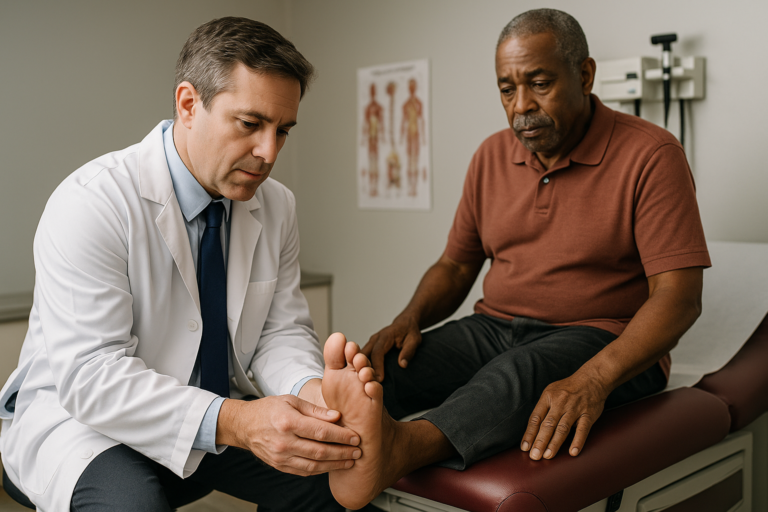
A medical evaluation is important if you have new numbness, worsening tingling, burning pain, unexplained weakness, or changes in walking. It is especially important if balance problems are starting to interfere with normal activities.
During an evaluation, a healthcare professional may review your symptoms, medical history, medications, and any conditions that can contribute to nerve damage. They may also assess strength, reflexes, sensation, circulation, coordination, and gait. In some cases, additional testing may be recommended to look for underlying causes.
Seek prompt care if symptoms appear suddenly, affect only one side, are associated with severe weakness, or occur along with other concerning symptoms such as speech changes, facial drooping, chest pain, or loss of bladder control.
Practical Ways to Lower Fall Risk
If neuropathy is contributing to unsteadiness, small changes can make a meaningful difference. Fall prevention usually works best when it combines safer movement habits, home adjustments, and medical follow-up.
Wear Supportive Footwear
Shoes should fit well, stay securely on the foot, and provide stable support. Thin slippers, loose sandals, and worn-out soles can increase instability. Some people with sensory loss do better in shoes with non-slip soles and a wide, steady base.
Improve Home Safety
Reduce tripping hazards by removing loose rugs, securing electrical cords, clearing clutter from walkways, and improving lighting in hallways, bathrooms, and staircases. Grab bars in the bathroom and handrails on stairs may improve safety.
Use Lighting Strategically
Because many people with neuropathy rely more on vision, good lighting matters. Nightlights in bedrooms, bathrooms, and hallways can help with overnight trips. Outdoor lighting around steps and paths is also useful.
Move Deliberately
Standing up too quickly, turning sharply, or rushing on uneven ground can increase risk. Taking a moment to plant both feet before walking may help improve stability.
Stay Physically Active
Appropriate exercise can help maintain strength, flexibility, and coordination. Depending on the individual, this may include walking, gentle strength work, stretching, balance exercises, or supervised physical therapy. Activity should match current ability and safety needs.
Check Your Feet Regularly
If sensation is reduced, injuries may go unnoticed. Inspect feet for blisters, cuts, redness, pressure areas, or swelling. This is especially important for patients with diabetes.
Review Medications and Health Conditions
Some medications can contribute to sleepiness, dizziness, or low blood pressure, which may worsen fall risk. Vision problems, inner ear issues, and joint pain can also make balance harder. Addressing these factors may improve overall stability.
Examples of Everyday Situations That Can Become Risky
Understanding how neuropathy affects balance is easier when you look at real-life situations. A person with reduced feeling in their feet may step off a curb before fully sensing the height difference. Another may feel stable in daylight but become much less steady crossing a dimly lit room at night. Someone carrying laundry on the stairs may not notice a slight misstep soon enough to correct it. A patient getting out of bed quickly may combine numb feet with dizziness and lose balance.
These examples show why neuropathy and fall risk should be taken seriously even when symptoms seem mild. Balance problems do not always appear dramatic until the wrong combination of fatigue, poor lighting, distraction, and reduced sensation occurs at once.
The Importance of Early Attention
It is easy to dismiss early neuropathy symptoms as an annoyance, especially if numbness comes and goes or pain is manageable. But changes in sensation can have broader effects on safety and mobility. Paying attention early may help uncover treatable contributing factors, support better symptom management, and reduce the chance of falls.
For some patients, the first clue is not pain at all. It may be a vague sense of unsteadiness, a tendency to shuffle, or increased dependence on railings. These signs should be treated as meaningful. The earlier balance issues are recognized, the more opportunities there may be to make useful changes.
What Houston, TX Patients Should Keep in Mind
For those experiencing peripheral neuropathy balance problems in Houston, TX, the key point is that numbness and tingling are not the only symptoms that matter. If your feet feel less responsive, your balance may already be affected more than you realize. Stumbles, cautious walking, trouble on uneven ground, or feeling unsteady in the dark can all be warning signs.
Monitoring neuropathy symptoms in Houston, TX means paying attention to function as well as discomfort. If you notice numb feet balance issues, repeated near-falls, or a growing fear of walking, it is wise to seek medical evaluation and take steps to improve safety. Balance changes are not something to ignore, especially when they can increase the risk of preventable injury.
Conclusion
Peripheral neuropathy can absolutely affect balance. When the nerves in the feet and legs stop sending clear signals, the body has a harder time judging foot placement, responding to uneven surfaces, and staying stable during everyday movement. That is why neuropathy and fall risk are so closely connected.
If you are dealing with numbness, tingling, weakness, or walking changes, do not focus only on pain. Numb feet balance issues can have a major impact on confidence, mobility, and safety. Recognizing the signs early, seeking appropriate evaluation, and making practical fall-prevention changes can help protect your independence and reduce the chance of injury.
For patients concerned about neuropathy symptoms in Houston, TX, awareness is the first step. The sooner balance problems are identified, the sooner you can take meaningful action to move more safely and confidently.