Burning, tingling, pins-and-needles sensations, or numbness in the feet can be easy to dismiss at first. Some people assume they slept in an odd position, wore the wrong shoes, or simply spent too much time on their feet. But when these symptoms keep coming back, worsen over time, or begin to interfere with walking, balance, sleep, or daily comfort, they may point to a nerve problem called peripheral neuropathy.
For people searching for answers about peripheral neuropathy symptoms Houston, it is important to understand that foot symptoms are not always harmless. Nerves in the feet are especially vulnerable because they are farthest from the spinal cord, and many nerve-related conditions begin there. Early evaluation can help identify the cause, rule out urgent problems, and support more timely care.
This article explains common symptoms, possible burning feet causes Houston patients may want to discuss with a clinician, and the warning signs that suggest it may be time to seek medical attention.
What Is Peripheral Neuropathy?
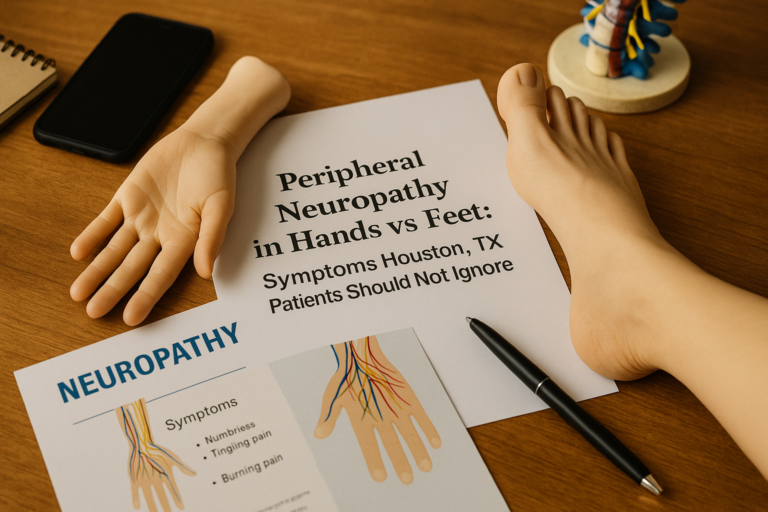
Peripheral neuropathy is a term used for damage or dysfunction affecting the peripheral nerves, which are the nerves outside the brain and spinal cord. These nerves carry messages related to sensation, movement, and automatic body functions. When the nerves are irritated or damaged, the signals they send may become distorted.
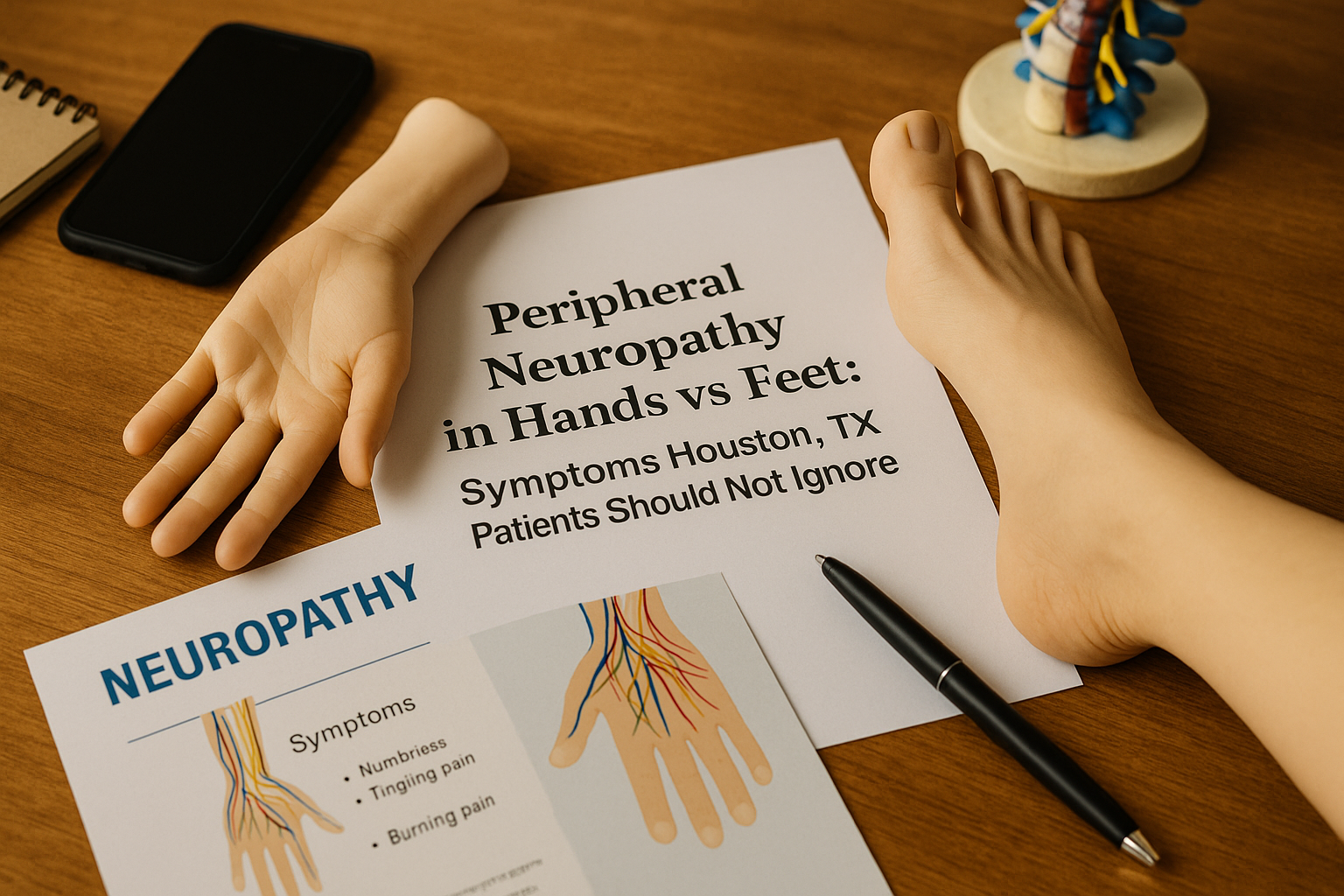
That distortion can cause symptoms such as:
- Burning sensations in the feet
- Tingling or pins-and-needles feelings
- Numbness
- Sharp, stabbing, or electric-like pain
- Increased sensitivity to touch
- Weakness in the feet or legs
- Trouble with coordination or balance
Many people notice symptoms first in the toes, then in the soles of the feet, and sometimes gradually up the legs. This pattern is common because longer nerves are often affected first.
Common Peripheral Neuropathy Symptoms in Houston Patients May Notice
Although every person’s experience is different, there are several patterns that often raise concern. Recognizing these symptoms can help people decide whether their discomfort may need medical attention.
Burning Feet
A burning sensation can range from mild warmth to intense pain that feels as if the feet are on fire. It may be more noticeable at night, after activity, or when resting in bed. Some people describe the feeling as heat inside the feet even when the skin feels normal to the touch.
Because there are many possible burning feet causes Houston residents may encounter, recurring burning should not be ignored, especially when it has no obvious explanation.
Numbness and Tingling
Numbness and tingling in feet Houston patients describe may come and go at first, then become more frequent. Tingling often feels like crawling, buzzing, or pins and needles. Numbness can make it difficult to sense temperature, pressure, or injury. That loss of feeling matters because it may increase the risk of unnoticed cuts, blisters, and falls.
Sharp or Electric Pain
Some nerve-related pain is not constant. Instead, it may arrive suddenly as jabs, shocks, or stabbing sensations. Even light touch from socks or bedsheets can feel painful in more sensitive cases.
Weakness or Balance Problems
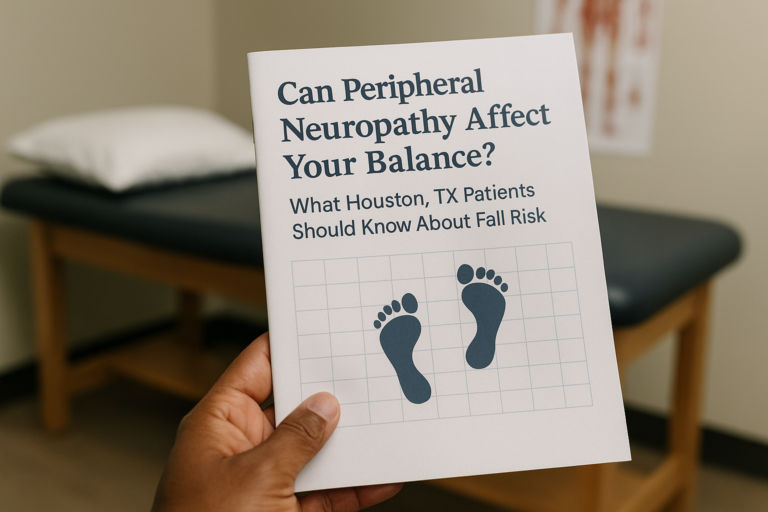
Peripheral nerve issues do not only affect sensation. In some cases, they also affect muscle control. A person may feel unsteady, trip more often, struggle to lift the front of the foot, or feel as though their feet do not respond normally when walking.
Symptoms That Worsen at Night
It is common for neuropathic symptoms to become more noticeable in the evening. Reduced distractions, changes in circulation, and the absence of daytime activity can make discomfort feel stronger at bedtime, which may disrupt sleep.
Possible Burning Feet Causes in Houston Patients Should Know About
Burning, tingling, and numbness in the feet can result from several medical issues. Peripheral neuropathy is a symptom pattern, not a single disease. Finding the cause is often the key step.
Diabetes and Blood Sugar Problems
Diabetes is one of the most common causes of peripheral nerve damage. Over time, high blood sugar can injure nerves and the small blood vessels that support them. Even people with prediabetes may develop neuropathic symptoms. If burning or numb feet occur along with increased thirst, frequent urination, fatigue, or slow-healing wounds, blood sugar testing may be important.
Vitamin Deficiencies
Certain vitamins, especially B vitamins, are essential for nerve health. Deficiencies may develop from poor nutrition, digestive disorders, certain medications, or alcohol misuse. Low vitamin levels can contribute to tingling, numbness, and weakness.
Nerve Compression or Spine Problems
Not all foot numbness comes from generalized neuropathy. Sometimes nerves are compressed in the lower back, leg, ankle, or foot. A herniated disc, spinal stenosis, or local nerve entrapment may produce symptoms that travel down the leg or affect one foot more than the other.
Alcohol Use
Long-term heavy alcohol use can damage nerves directly and may also contribute to poor nutrition, increasing the risk of neuropathy.
Medication Side Effects
Some medications, including certain chemotherapy drugs and other treatments, may affect the nerves. Anyone who develops new symptoms after starting a medication should bring that timeline to a healthcare professional’s attention.
Infections and Autoimmune Conditions
Some infections and immune-related disorders can inflame or damage nerves. In these situations, symptoms may appear more suddenly or come with other signs such as weakness, fatigue, joint symptoms, or widespread discomfort.
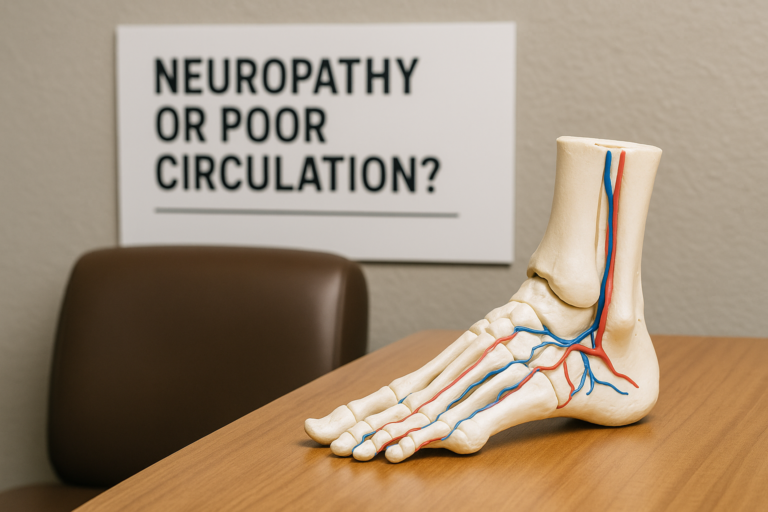
Circulation Problems
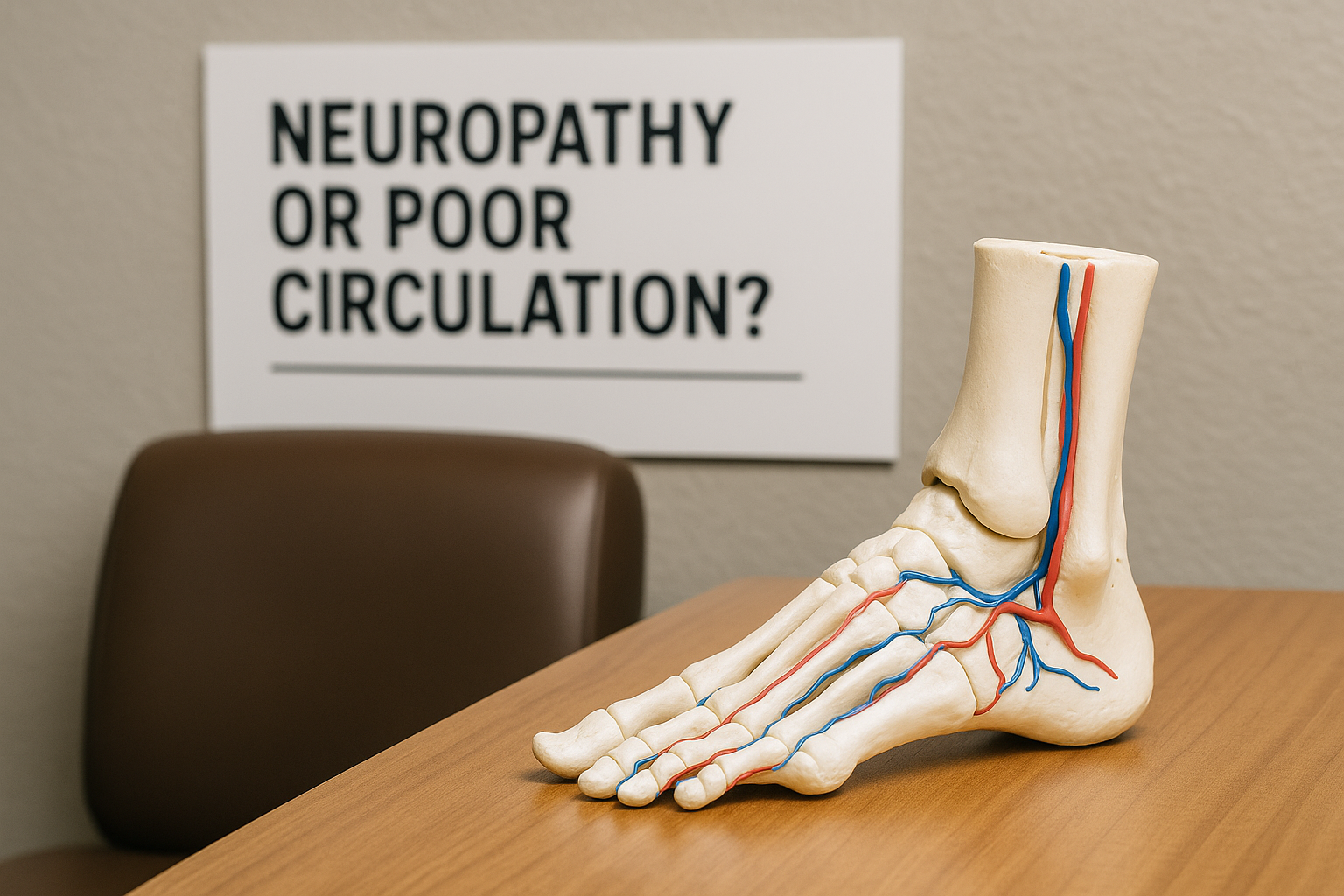
Poor circulation can sometimes cause coldness, color changes, pain with walking, or delayed healing in the feet. Although circulation issues are different from neuropathy, the symptoms can overlap enough that an evaluation is often worthwhile.
Thyroid and Kidney Disease
Certain metabolic conditions, including thyroid disease and kidney problems, can contribute to nerve symptoms. These causes are not always obvious without medical history, examination, and appropriate testing.
Why Early Evaluation Matters
When symptoms are mild, people often wait and hope they go away. In some cases they do. But persistent nerve symptoms deserve attention because early care may help uncover a treatable cause before problems worsen.
Prompt evaluation may help:
- Identify underlying conditions such as diabetes, vitamin deficiency, or thyroid disease
- Differentiate neuropathy from circulation problems, joint conditions, or spinal issues
- Reduce the risk of falls and injuries caused by numbness or weakness
- Address foot wounds or pressure areas before complications develop
- Improve comfort, sleep, mobility, and daily functioning
For someone dealing with peripheral neuropathy symptoms Houston clinicians often look beyond the feet alone. A complete picture usually includes overall health, medication history, symptom timing, and physical examination findings.
When to See a Doctor for Neuropathy in Houston
Many people wonder when to see a doctor for neuropathy Houston concerns become more than an inconvenience. In general, it is wise to seek medical attention if symptoms are persistent, progressive, painful, or affecting normal activity.
Make an Appointment Soon If:
- Burning, tingling, or numbness lasts more than a few days or keeps returning
- Symptoms gradually spread from the toes upward
- The discomfort interferes with sleep, work, exercise, or walking
- You have diabetes, prediabetes, thyroid disease, kidney disease, or a history of vitamin deficiency
- You notice weakness, clumsiness, or increased tripping
- You have reduced sensation and cannot feel small injuries to the feet
- Symptoms started after a new medication or medical treatment
Seek Urgent Medical Attention If:
- Numbness or weakness appears suddenly
- You cannot walk normally or develop rapid balance changes
- There is severe pain with swelling, discoloration, or a cold foot
- You have an open wound, ulcer, or infection on a numb foot
- Symptoms are associated with loss of bladder or bowel control
- You develop symptoms after a significant injury
Sudden, severe, or one-sided symptoms can sometimes point to a problem that is more urgent than routine neuropathy and should not be delayed.
What a Medical Evaluation May Involve
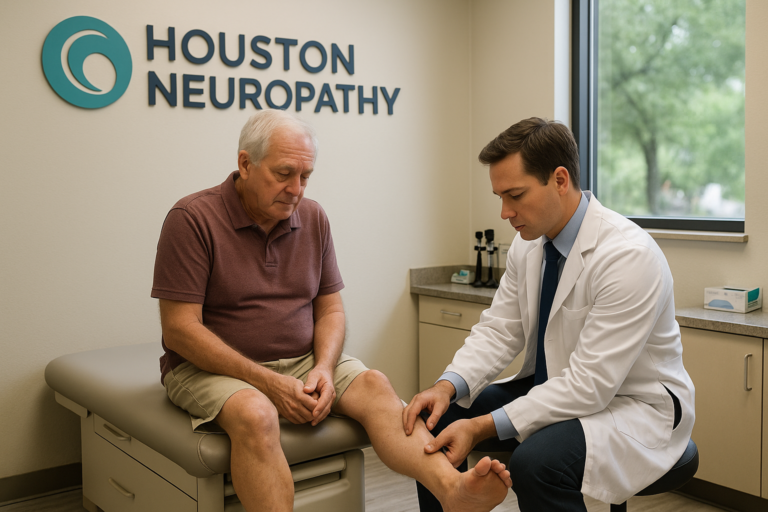
If you decide it is time to be seen, a clinician will usually start by asking detailed questions about your symptoms. Helpful details include when the problem started, whether one or both feet are involved, what makes it better or worse, and whether there is pain, weakness, or balance trouble.
A general evaluation may include:
- Review of medical conditions such as diabetes or thyroid disease
- Medication and supplement review
- Assessment of alcohol use and nutrition history
- Examination of sensation, reflexes, strength, pulses, and skin health
- Evaluation of gait and balance
- Blood tests when indicated to look for common underlying causes
- Additional studies or specialist referral if symptoms suggest nerve compression or another specific disorder
This process helps determine whether the symptoms fit peripheral neuropathy, another nerve issue, or a different condition altogether.
Practical Examples of Symptoms People Often Overlook
Not every nerve symptom feels dramatic at first. In fact, some of the earliest signs sound minor until they begin to affect daily life.
The “My Feet Just Fall Asleep” Pattern
A person may notice repeated tingling while sitting at a desk or watching television. At first it seems positional. Over time, the sensation occurs more often and takes longer to go away. If this keeps happening without a clear explanation, it may be worth discussing.
The “I Cannot Feel the Floor Properly” Pattern
Some people do not describe pain at all. Instead, they say their socks feel bunched up when they are not, or that walking barefoot feels strange, padded, or less stable. This change in sensation can point to numbness even in the absence of burning pain.
The “Nighttime Burning” Pattern
Another common example is foot discomfort that becomes intense only after getting into bed. People may kick off blankets, search for cooler surfaces, or wake repeatedly from the sensation. Night symptoms are common in neuropathic conditions and should not be dismissed if they persist.
The “More Trips Than Usual” Pattern
When the feet do not sense the ground well or the muscles are not responding normally, subtle balance problems can develop. A person may begin catching their toes on steps, feeling uncertain on uneven ground, or avoiding longer walks.
Important Foot Safety Considerations
Whether symptoms are caused by neuropathy or another condition, reduced sensation in the feet can make routine foot care more important. Small injuries are easier to miss when feeling is reduced.
Helpful safety steps include:
- Check your feet daily for blisters, cuts, redness, swelling, or pressure marks
- Wear supportive shoes that fit properly and do not rub
- Avoid walking barefoot, especially outdoors or on hot surfaces
- Test bath water with a hand or elbow if foot sensation is reduced
- Trim nails carefully and seek help if vision or flexibility makes foot care difficult
- Pay attention to new calluses, cracks, or wounds that do not heal
These steps are especially important for people with diabetes, who may have both nerve changes and slower healing.
What Not to Ignore
There is a difference between occasional brief tingling after sitting awkwardly and symptoms that suggest a deeper issue. Persistent sensory changes deserve more attention when they are unexplained, progressive, or paired with other warning signs.
Do not ignore:
- Symptoms that are becoming more frequent or intense
- Burning pain that disrupts sleep night after night
- Numbness that makes driving or walking feel unsafe
- Foot wounds you did not feel happen
- New weakness in the feet or legs
- Symptoms that start to affect both sides in a consistent pattern
These patterns can indicate that the nerves are under ongoing stress and that the underlying cause should be evaluated rather than guessed at.
Living With Symptoms While Waiting to Be Evaluated
If you have already scheduled an appointment, a few simple steps may help you prepare and reduce discomfort in the meantime. Keep a record of your symptoms, noting when they occur, how long they last, whether they affect one or both feet, and what the sensation feels like. Also note any related changes in balance, sleep, activity tolerance, or foot appearance.
It may also help to:
- Wear cushioned, well-fitting shoes
- Avoid prolonged pressure on the legs or feet
- Manage blood sugar carefully if you have diabetes
- Limit alcohol if advised by your healthcare professional
- Bring a list of medications and supplements to your visit
Self-treatment should not replace evaluation, especially if symptoms are progressing or there is loss of sensation.
Conclusion
Burning, tingling, or numbness in the feet can come from many different causes, but persistent symptoms should not be brushed aside. For those concerned about peripheral neuropathy symptoms Houston, the most important step is recognizing when sensations are no longer occasional or harmless. Ongoing numbness and tingling in feet Houston patients experience may reflect nerve irritation, metabolic problems, vitamin deficiency, compression, or another medical issue that deserves attention.
If you are wondering when to see a doctor for neuropathy Houston concerns, the answer is usually sooner rather than later when symptoms keep returning, interfere with walking or sleep, or are paired with weakness, balance problems, or reduced sensation. Because burning feet causes Houston patients encounter can vary widely, a proper medical evaluation is the best way to understand what is happening and what steps may help protect your comfort, mobility, and long-term foot health.