If you are dealing with knee pain, shoulder pain, hip discomfort, arthritis-related stiffness, or old injuries that still limit your movement, one of the first questions you may ask is simple: how much will treatment cost? For many patients exploring conservative care, the answer depends on more than a single price tag. The total non-surgical joint pain treatment cost in Houston can vary based on the joint involved, the cause of pain, the type of therapy recommended, and how personalized your care plan needs to be.
In many cases, patients are not looking for surgery as a first option. They may want a more conservative strategy that helps reduce pain, improve function, and support daily activity without an operation or a long surgical recovery. That is why interest in options such as physical medicine, image-guided injections, and regenerative approaches has grown. At the same time, patients want clear expectations around the Houston regenerative medicine cost, the PRP treatment cost Houston patients may encounter, and the value of scheduling a joint pain consultation Houston providers can use to build a thoughtful care plan.
This guide explains the major factors that influence cost, what is often included in an evaluation, how treatment plans differ from one person to another, and what to consider when comparing providers. While exact pricing always depends on the clinic and the details of your case, understanding the structure behind joint pain care can help you make a more informed decision.
Why Joint Pain Treatment Costs Are Not One-Size-Fits-All
Joint pain is a broad category, not a single condition. Two people with knee pain may have very different needs. One may have mild overuse inflammation that responds well to conservative treatment and exercise guidance. Another may have longstanding osteoarthritis, instability, reduced range of motion, and pain that affects sleep and mobility. Even though both are seeking non-surgical treatment, the time, resources, and procedures involved can be very different.
That is why clinics typically avoid quoting a universal price before an evaluation. A personalized plan is usually based on findings such as:
- Which joint is involved, such as the knee, shoulder, hip, elbow, ankle, or wrist
- Whether pain is acute, chronic, or related to a degenerative condition
- The severity of symptoms and how long they have been present
- Whether imaging or diagnostic workup is needed
- Whether the patient has already tried medication, therapy, or injections
- The type of non-surgical treatment being considered
- How many visits or procedures may be recommended
Because of these variables, a realistic discussion about cost usually starts with an assessment rather than a generic online number.
What Is Usually Included in a Joint Pain Consultation in Houston?
A joint pain consultation Houston patients schedule is often the first step in understanding both the cause of symptoms and the likely cost of care. The consultation may include several elements that help a provider recommend appropriate treatment rather than simply addressing pain in a general way.
Medical History Review
Your provider may ask when the pain started, what makes it worse, what treatments you have tried, and whether you have a history of arthritis, injury, repetitive stress, or prior surgery. This step matters because treatment for an inflamed tendon is different from treatment for cartilage wear or joint instability.
Physical Examination
A physical exam often evaluates swelling, tenderness, range of motion, gait, strength, and joint mechanics. Providers may also look for signs that pain is coming from surrounding muscles, ligaments, or nerves rather than the joint itself.
Imaging or Diagnostic Review
Some patients arrive with existing X-rays, MRI results, or ultrasound findings. Others may need imaging to clarify what is contributing to the pain. Diagnostic review can affect the overall cost because the treatment recommendation may depend on confirming whether the issue is arthritis, tendon injury, inflammation, or another condition.
Treatment Planning
After the evaluation, a provider may discuss conservative options such as activity modification, rehabilitation strategies, bracing, injection-based care, or regenerative therapies. This planning stage is important because it helps you understand whether your treatment will likely involve one procedure, a series of treatments, follow-up visits, or a broader functional care plan.
In practical terms, consultation costs can vary depending on the depth of the evaluation, whether imaging is reviewed or ordered, and whether additional diagnostics are performed on the same day.
Main Factors That Affect Non-Surgical Joint Pain Treatment Cost in Houston
When patients compare pricing, it helps to think in categories rather than a single flat fee. Below are some of the most common factors that influence the total non-surgical joint pain treatment cost in Houston.
1. The Joint Being Treated
Some joints are more straightforward to evaluate and treat than others. A finger or elbow issue may require a simpler approach than a weight-bearing joint such as the hip or knee. Shoulders can also be complex because pain may involve the joint, rotator cuff tendons, surrounding bursae, or stability problems. In general, the more complex the anatomy and the more structures involved, the more detailed the evaluation and treatment planning may need to be.
2. The Underlying Diagnosis
Cost is often shaped by what is causing the pain. A patient with mild inflammation after overuse may need a different level of care than someone with advanced degenerative change. Common causes of joint pain that may influence planning include:
- Osteoarthritis
- Tendon or ligament irritation
- Bursitis
- Joint instability
- Cartilage wear
- Old sports injuries
- Repetitive strain conditions
The diagnosis affects whether conservative management alone is appropriate or whether more advanced procedures are being considered.
3. Type of Non-Surgical Treatment Recommended
Not all non-surgical treatments are priced the same. A care plan built around exercise guidance, therapeutic support, and observation may differ significantly from one that includes in-office procedures. In Houston, non-surgical joint pain treatment may involve options such as:
- Clinical evaluation and monitoring
- Therapeutic exercise or rehabilitation recommendations
- Bracing or supportive strategies
- Anti-inflammatory or image-guided injection approaches
- Regenerative medicine services such as platelet-rich plasma
Each option carries its own cost structure based on materials, procedure complexity, provider time, and whether specialized preparation or equipment is required.
4. PRP and Other Regenerative Approaches
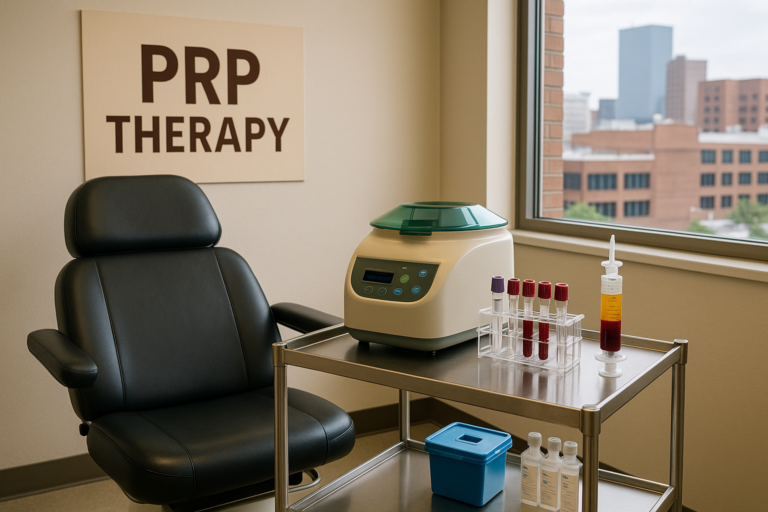
Many patients specifically ask about PRP treatment cost Houston providers may charge. Platelet-rich plasma therapy generally involves drawing a patient’s blood, processing it to concentrate platelets, and then using the prepared sample as part of treatment. Because PRP requires preparation steps, procedural skill, and often targeted placement, the cost is usually different from a standard office visit or simple injection.
Patients also ask about broader Houston regenerative medicine cost considerations. Regenerative medicine is a broad term and may refer to different approaches depending on the clinic. Costs can vary based on the specific procedure, how many areas are treated, whether guidance technology is used, and how many sessions are recommended.
A treatment involving one small joint may not be priced the same as treatment for a larger weight-bearing joint. Similarly, a single session may differ from a staged plan that includes follow-up evaluation and repeat treatment if clinically appropriate.
5. Number of Areas Treated
Some patients have pain in one joint, while others have related problems in multiple areas. For example, someone may have both knee pain and hip imbalance, or shoulder pain with associated elbow overuse. Treating more than one area can increase the total cost because it may require more time, more supplies, and a more layered care plan.
6. Need for Imaging Guidance or Additional Diagnostics
Precision matters in musculoskeletal care. Some procedures may be performed with image guidance, depending on the joint and the provider’s approach. Additional imaging or diagnostic testing can add to the total cost, but it may also improve decision-making and treatment accuracy in selected cases.
For example, if symptoms suggest multiple possible causes, imaging may help determine whether the pain is actually coming from the joint surface, a tendon injury, or surrounding inflammation. That distinction can change the treatment recommendation and help avoid a trial-and-error approach.
7. Severity and Chronicity of Symptoms
Longstanding joint pain often requires a more involved treatment plan than a recent flare-up. Chronic symptoms may be associated with compensatory movement patterns, muscle weakness, reduced mobility, and activity limitation that developed over time. When more than one issue needs to be addressed, total care costs may rise because the plan is more comprehensive.
8. Follow-Up Visits and Response Monitoring
Many non-surgical joint pain plans do not end with one appointment. Follow-up matters. Your provider may want to reassess pain levels, mobility, swelling, and function after treatment. Some patients improve with one phase of care, while others need monitoring, progress checks, or additional conservative support. When comparing costs, ask whether the quoted amount includes only the procedure itself or also follow-up visits and reassessment.
Understanding PRP Treatment Cost in Houston
PRP is one of the most commonly discussed regenerative options for joint pain, so it deserves a closer look. Although exact prices differ by practice, understanding what goes into PRP helps explain why cost can vary.
What PRP Involves
Platelet-rich plasma treatment generally includes blood collection, processing, preparation, and administration by a qualified provider. The process uses your own blood components, but the preparation is still procedural and typically involves specialized equipment and clinical protocols.
Why PRP Cost Can Differ Between Patients
The PRP treatment cost Houston patients see may vary for several reasons:
- The joint or tissue being treated
- Whether one or multiple areas are addressed
- The complexity of the injection or placement technique
- Whether imaging guidance is used
- Whether a single treatment or a staged plan is recommended
- Whether follow-up evaluation is bundled or billed separately
For example, treatment of a small area with a straightforward plan may differ in cost from a larger joint that requires more detailed targeting and reassessment. The key point is that PRP is not just a product; it is a procedure with clinical judgment built into the process.
Value Versus Sticker Price
Patients often focus on the up-front figure, which is understandable. However, value should also include whether the evaluation was thorough, whether the treatment is appropriate for your diagnosis, and whether the provider has clearly explained what is included. A lower advertised price may not include consultation, imaging review, or follow-up. A higher fee may reflect a more complete process. Comparing the details behind the number is often more useful than comparing numbers alone.
How Houston Regenerative Medicine Cost Is Typically Structured
The phrase Houston regenerative medicine cost can mean different things depending on the clinic and the type of care being offered. In many settings, cost may be structured around several components rather than one single charge.
Initial Evaluation Cost
This may include the consultation, medical history review, exam, and treatment planning.
Diagnostic Review or Imaging Cost
If imaging is needed or existing studies must be interpreted in detail, that may affect the total.
Procedure Cost
This is often the main cost patients ask about. It may reflect preparation steps, supplies, procedural technique, and provider expertise.
Follow-Up Cost
Some care plans involve reevaluation after treatment to monitor symptom changes and function.
Multi-Visit Plan Cost
When more than one treatment is recommended, the total investment may be discussed as a series rather than a single appointment.
When discussing cost, it is reasonable to ask for a breakdown so you understand what you are paying for and whether each component is included in the quote.
Examples of How Care Plan Complexity Can Change Cost
Even without assigning exact dollar amounts, it helps to look at real-world style examples of how treatment complexity may affect pricing.
Example 1: Mild Knee Pain After Increased Activity
A patient develops knee pain after returning to exercise. The exam suggests mild overuse irritation without major instability or severe degenerative findings. The care plan may involve consultation, exam, movement guidance, and observation with conservative measures. In this case, the total cost may stay relatively limited compared with more advanced cases.
Example 2: Chronic Shoulder Pain With Reduced Range of Motion
Another patient has shoulder pain for months, difficulty lifting the arm, disturbed sleep, and a history of repetitive overhead activity. The provider may review prior imaging, examine surrounding tendons and mechanics, and recommend a more targeted non-surgical treatment approach. Costs may be higher because the diagnostic process and treatment planning are more involved.
Example 3: Osteoarthritis-Related Knee Pain With Regenerative Treatment Consideration
A patient with ongoing knee stiffness, swelling, and pain during walking may be exploring a regenerative option such as PRP. In addition to the consultation, this plan may include imaging review, procedural preparation, treatment administration, and follow-up reassessment. That generally creates a different cost profile than basic conservative care alone.
Example 4: Multiple Joint Complaints Affecting Mobility
Some patients present with both hip and knee pain, or shoulder and elbow pain, with movement compensation that affects function. Evaluating more than one area and designing a coordinated plan can increase both time and total treatment cost, even when the overall approach remains non-surgical.
Important Questions to Ask When Comparing Treatment Costs
If you are researching options in Houston, focus on clarity rather than price alone. Ask practical questions so you understand the full picture.
- What does the initial consultation include?
- Will the provider perform a full musculoskeletal evaluation?
- Is imaging required, recommended, or optional?
- If a procedure is discussed, what is included in that fee?
- Are follow-up visits included or billed separately?
- How many treatments are commonly recommended for my type of condition?
- Will I receive a personalized plan based on my diagnosis?
- Are there additional costs if more than one joint is treated?
These questions help patients compare providers more fairly and avoid confusion about what an advertised price actually covers.
Other Cost Considerations Patients Should Keep in Mind
Insurance Coverage Can Vary
Coverage for consultation, imaging, or conservative management may differ from coverage for certain procedural or regenerative services. Patients should verify benefits directly with the clinic and their insurer when applicable. It is best not to assume that all non-surgical treatments are handled the same way under every plan.
Travel, Time, and Recovery Logistics
Cost is not only about the bill itself. For some patients, practical factors matter too. Time away from work, transportation, and the need for multiple visits can influence the real-life cost of care. A treatment that fits your schedule and goals may be easier to complete consistently.
Short-Term Relief Versus Comprehensive Planning
A quick fix may sound appealing, but a more complete evaluation can be valuable if your pain has been ongoing or if previous treatments have not addressed the problem. Paying for a thoughtful diagnosis and a well-matched care plan can help you better understand your options and expectations.
Benefits of Exploring Non-Surgical Joint Pain Care
Cost matters, but so does the reason patients seek this type of care in the first place. Non-surgical joint pain treatment is often appealing because it may offer a conservative path for people who want to address symptoms without immediately moving toward an operation.
Potential benefits of a non-surgical approach may include:
- A focus on preserving daily function and mobility
- A personalized strategy based on the cause of pain
- The ability to explore conservative options before considering surgery
- Less disruption than a major surgical recovery in many situations
- Treatment planning that can be adapted over time
Not every patient is a candidate for every treatment, and non-surgical care is not a substitute for surgery in every case. Still, for many people, it offers an important starting point for managing pain and improving activity.
How to Think About Cost and Value Together
When patients ask how much non-surgical joint pain treatment costs, they are really asking two questions at once: what will I pay, and what am I getting in return? The most useful answer comes from looking at both price and clinical fit.
A lower-cost plan may be appropriate for a simple case that only needs evaluation and conservative guidance. A more involved care plan may cost more because it includes deeper diagnostic work, procedural treatment, or follow-up monitoring. Neither is automatically better. The right approach depends on your symptoms, diagnosis, goals, and how your provider structures treatment.
As you compare options, look for transparency, a careful evaluation process, and a clear explanation of what is included. Those details can help you make a confident decision about the treatment path that fits your needs.
Conclusion
The total non-surgical joint pain treatment cost in Houston depends on several moving parts, including the joint involved, the cause and severity of pain, whether imaging is needed, and the type of care recommended. Patients exploring Houston regenerative medicine cost or PRP treatment cost Houston providers offer should keep in mind that these services are usually part of a broader clinical process, not just a stand-alone price.
For most people, the best first step is a detailed joint pain consultation Houston patients can use to understand both their diagnosis and their treatment options. Once the problem is clearly identified, it becomes much easier to evaluate the expected cost, the likely number of visits, and the overall value of the recommended plan. A thoughtful, personalized approach can help you move beyond guesswork and make a more informed decision about your joint health.