Waking up with a sudden, painful leg cramp can be alarming. For many people in Houston, TX, these nighttime episodes are more than an occasional nuisance. They can interrupt sleep, affect daily comfort, and raise an important question: could nerve damage be part of the problem?
The short answer is that neuropathy can be associated with leg discomfort at night, and in some cases it may contribute to cramping sensations or make nighttime leg symptoms feel worse. However, true muscle cramps can also happen for many other reasons, including dehydration, medication side effects, circulation issues, muscle overuse, and mineral imbalances. Understanding the difference matters, especially if symptoms keep coming back.
If you are searching for answers about neuropathy leg cramps Houston TX, it helps to know what neuropathy is, how it affects the legs, and why symptoms often seem worse after dark. This guide explains the connection, what signs to watch for, and when persistent symptoms deserve medical attention.
What Is Neuropathy?
Neuropathy is a broad term for nerve damage or nerve dysfunction. Peripheral neuropathy affects the nerves outside the brain and spinal cord, often involving the feet, ankles, calves, and hands. Because these nerves help carry signals for sensation, movement, and automatic body functions, damage can lead to a wide range of symptoms.
Many people think of neuropathy as numbness or tingling, but it can also cause burning pain, weakness, altered sensation, hypersensitivity, or a pins-and-needles feeling. In the legs, nerve changes may affect walking, balance, coordination, and comfort during rest.
Some of the more common causes of peripheral neuropathy include:
- Diabetes or prediabetes
- Vitamin deficiencies, especially B vitamins
- Alcohol misuse
- Certain medications, including some chemotherapy drugs
- Kidney disease
- Autoimmune disorders
- Infections
- Thyroid problems
- Nerve compression or spinal conditions
- Idiopathic causes, where no exact source is identified
Because there are many possible causes, an accurate evaluation is important when symptoms persist.
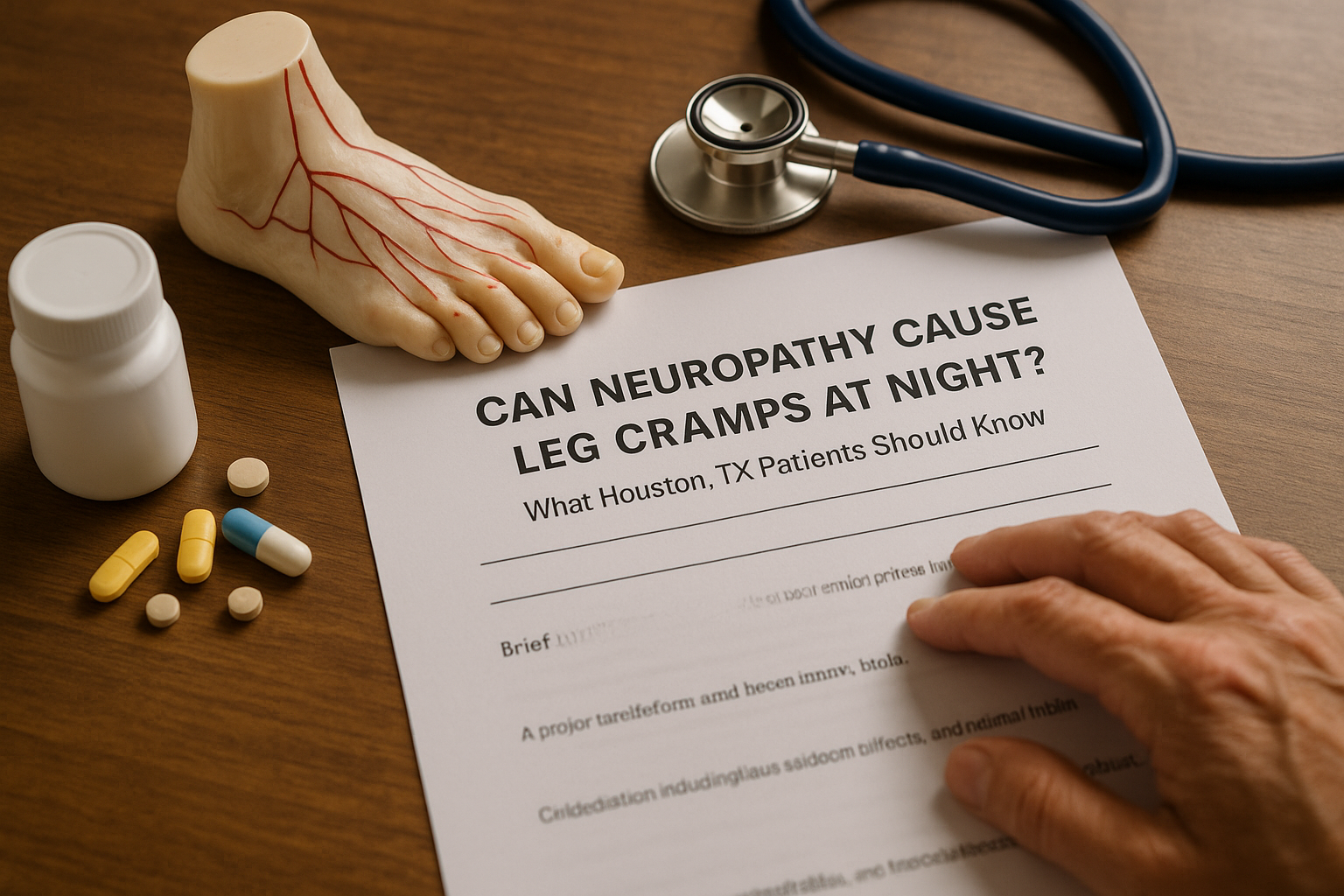
Can Neuropathy Cause Leg Cramps at Night?
Neuropathy does not always cause true muscle cramps directly, but it can absolutely be linked to nighttime leg symptoms that people describe as cramping, tightening, spasms, or painful twisting sensations. In some cases, damaged nerves may affect how muscles receive signals, leading to abnormal firing or increased irritability. That can contribute to muscle discomfort or involuntary contractions.
Neuropathy may also increase sensitivity to pain, making normal nighttime muscle tightness feel much more intense. For some patients, what seems like a cramp may actually be nerve pain, burning, tingling, or a deep aching sensation that worsens during rest.
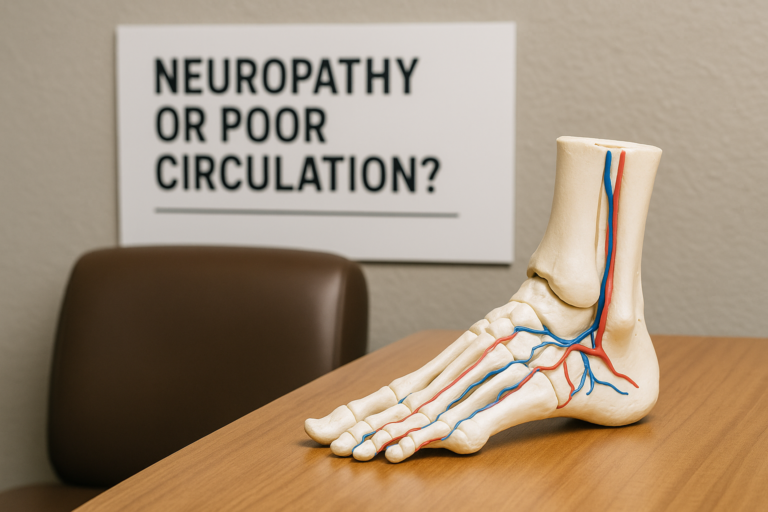
This is one reason the question of night leg cramps neuropathy Houston TX is so common. Symptoms may overlap, and people do not always know whether the problem is muscular, neurological, vascular, or a combination of several issues.
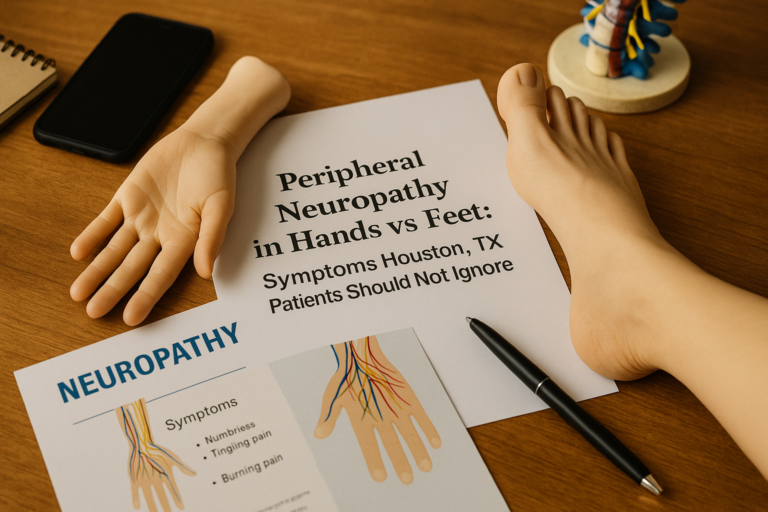
In practical terms, neuropathy may be part of the picture when nighttime leg cramps occur alongside other nerve-related symptoms such as:
- Numbness in the feet or toes
- Tingling or pins-and-needles sensations
- Burning pain in the legs or feet
- Sharp, shooting, or electric-like pain
- Heightened sensitivity to touch
- Muscle weakness
- Balance problems
- Reduced ability to feel temperature or pain
If nighttime cramps happen repeatedly and any of these symptoms are present, neuropathy becomes more important to consider.
Why Symptoms Often Feel Worse at Night
Many forms of nerve pain seem more noticeable in the evening or overnight. There are several reasons for this:
Less Distraction
During the day, movement, work, and other activities can pull attention away from mild to moderate symptoms. At night, when the body is still and the environment is quiet, tingling, pain, and cramping sensations can feel stronger.

Changes in Nerve Signaling
Some people experience natural fluctuations in pain perception and nerve sensitivity over a 24-hour period. This may make discomfort more pronounced after sunset or during sleep.
Positioning During Rest
How the legs are positioned in bed can affect muscles, joints, circulation, and compressed nerves. Extended stillness may allow stiffness or nerve irritation to build.
Circulation and Fluid Balance
For some individuals, underlying circulation problems, swelling, dehydration, or electrolyte changes become more noticeable later in the day, adding to nighttime discomfort.
This means that while neuropathy may not be the only cause, it can interact with other factors and make nighttime symptoms feel more severe.
How to Tell the Difference Between a Leg Cramp and Nerve Pain
True leg cramps usually involve a sudden, involuntary tightening of a muscle, often in the calf. The muscle may feel hard or knotted, and the pain can be intense but typically lasts from seconds to several minutes. Stretching or massaging the area sometimes helps it release.
Nerve pain often feels different. It may be described as burning, tingling, stabbing, shooting, buzzing, crawling, or electric. It may not involve visible muscle tightening at all. Some people also have numbness, weakness, or sensitivity to blankets touching the skin.
That said, symptoms can overlap. A person may have both muscle cramps and neuropathy at the same time. For example, someone with diabetes could have peripheral nerve damage and also experience dehydration-related cramping. That is why a full evaluation is often needed when symptoms are frequent.
Other Possible Causes of Nighttime Leg Cramps
Even when neuropathy is suspected, other common causes should not be overlooked. Night leg cramps may be related to:
- Dehydration
- Low levels of magnesium, potassium, or calcium
- Pregnancy
- Overuse of muscles from exercise or physical labor
- Long periods of sitting
- Certain medications, such as diuretics or statins
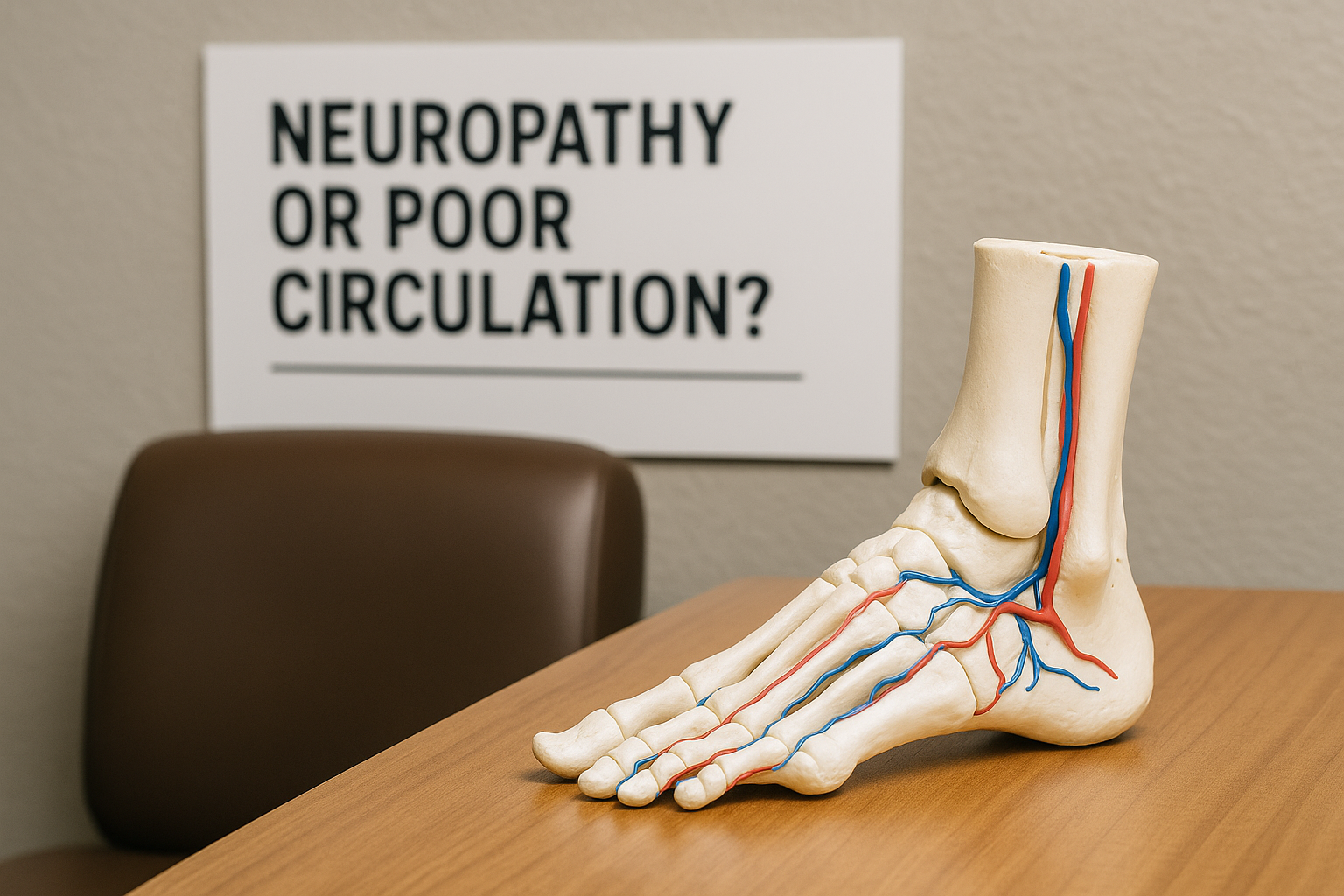
- Poor circulation
- Spinal nerve compression
- Kidney disease
- Liver disease
In Houston, TX, heat and humidity can also play a role for some individuals. Excess sweating, outdoor activity, and fluid loss may contribute to nighttime cramping, especially if hydration and electrolyte balance are not maintained.
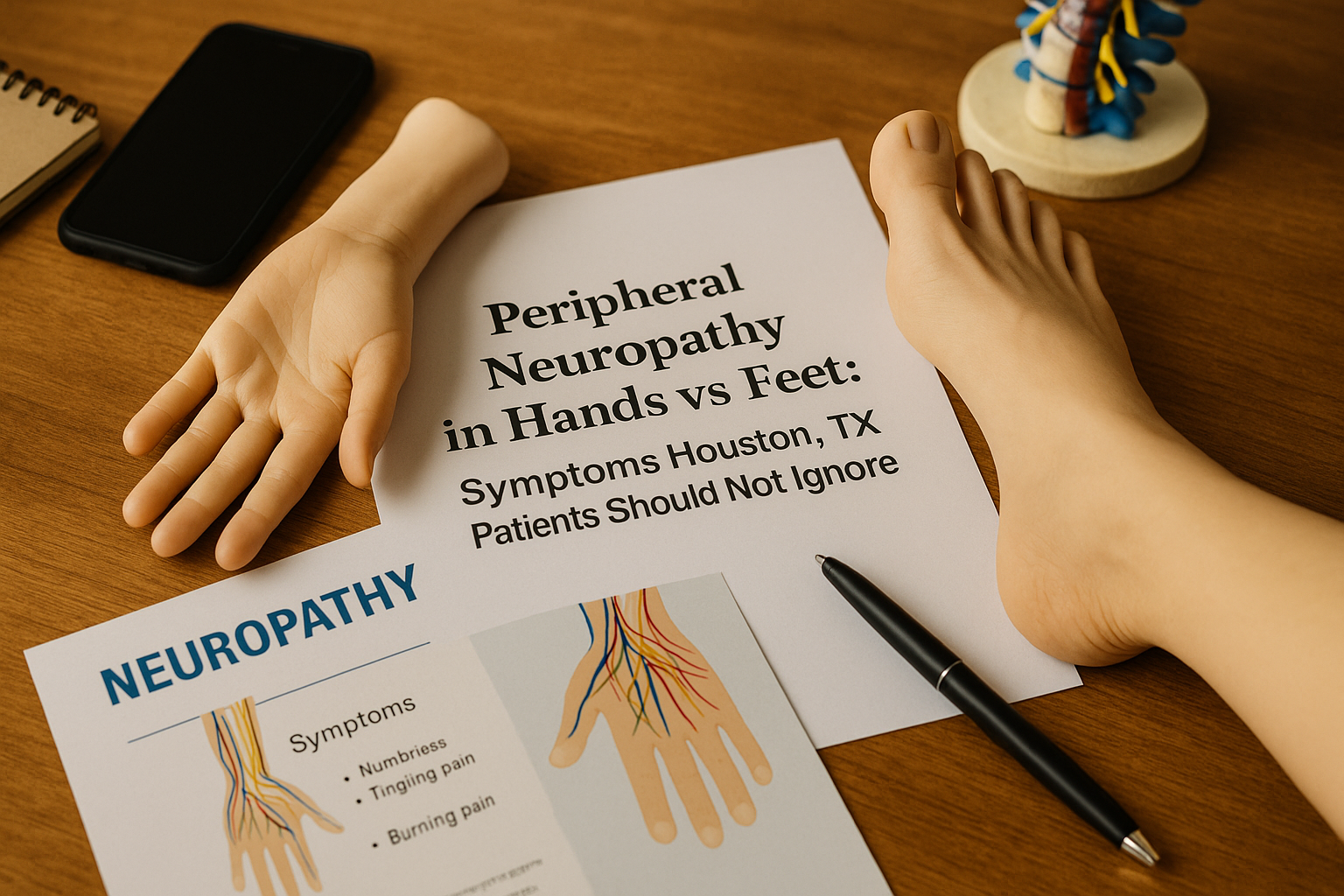
Common Peripheral Neuropathy Symptoms in the Legs
Recognizing the broader pattern of peripheral neuropathy symptoms Houston TX patients may experience can help distinguish nerve-related problems from occasional ordinary cramps. Symptoms may begin gradually and become more noticeable over time.
Common leg and foot symptoms include:
- Tingling in the toes or feet
- Numbness that spreads upward from the feet
- Burning pain, especially at night
- Sharp or stabbing sensations
- A feeling of wearing socks when barefoot
- Weakness in the ankles or legs
- Loss of coordination
- Difficulty sensing the ground while walking
- Increased pain from light touch
- Muscle twitching or unusual sensations of movement
Symptoms may affect one leg or both, and they may be constant or intermittent. Because neuropathy can progress, early recognition is valuable.
When Houston, TX Patients Should Seek Medical Evaluation
Occasional leg cramps after strenuous exercise may not be a major concern. But repeated nighttime episodes, worsening pain, or signs of nerve involvement should not be ignored. Medical evaluation is especially important if symptoms:
- Happen frequently or disrupt sleep regularly
- Are paired with numbness, tingling, or burning
- Cause weakness or balance problems
- Are getting worse over time
- Occur along with foot wounds or reduced sensation
- Follow a new medication
- Appear after an injury
- Occur with swelling, redness, or color changes
Immediate care may be needed if severe leg pain is associated with sudden swelling, skin discoloration, chest pain, shortness of breath, or inability to move the leg normally, since those symptoms may point to a different urgent condition.
How a Provider May Evaluate Neuropathy and Night Leg Symptoms
When someone seeks care for nerve pain in legs Houston TX, the evaluation usually starts with a thorough history and physical examination. A clinician may ask:
- When symptoms began
- Whether pain feels like cramping, burning, tingling, or stabbing
- What time of day symptoms are worst
- Whether both legs are affected
- What medications are being taken
- Whether there is a history of diabetes, thyroid disease, or vitamin deficiency
- Whether there has been alcohol use, chemotherapy, or recent illness
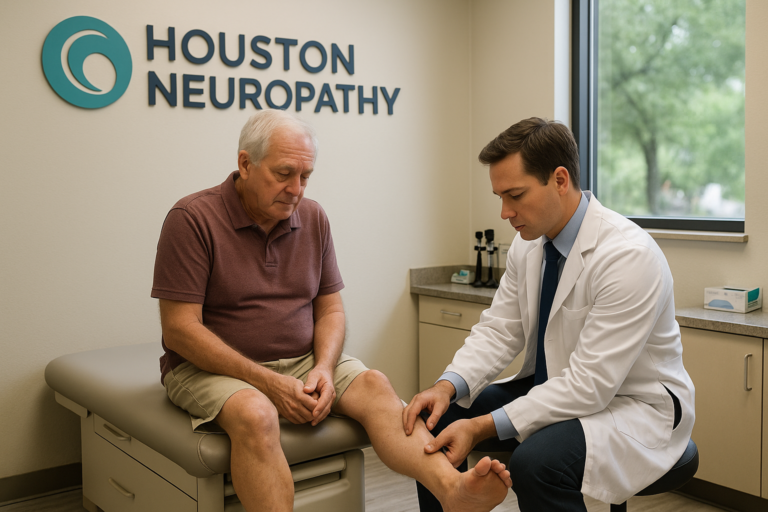
The physical exam may include checking reflexes, strength, sensation, circulation, and balance. Depending on the situation, additional testing may include blood work, imaging, or nerve studies to look for underlying causes.
This step is important because effective treatment depends on identifying what is driving the symptoms. A nighttime cramp caused by dehydration is approached differently than one linked to diabetic neuropathy, lumbar spine problems, or medication effects.
Ways to Reduce Nighttime Leg Symptoms
Treatment depends on the cause, but several practical strategies may help reduce discomfort while a patient is being evaluated or managed.
Stay Hydrated
Not all leg cramps are caused by dehydration, but adequate fluid intake is important, especially in warm weather or after heavy sweating. Some people also need guidance on electrolyte balance, particularly if they have medical conditions or take diuretics.
Gentle Stretching
Stretching the calf and hamstring muscles before bed may help reduce muscle tightness in some people. If a cramp happens, gentle stretching and massage can sometimes help the muscle relax.
Review Medications
If symptoms began after starting a new medicine, a medical review may be warranted. Patients should not stop prescription medications on their own, but they can ask whether side effects could be contributing.

Manage Underlying Conditions
For patients with diabetes, blood sugar control is an important part of reducing the risk of nerve damage progression. Treating thyroid disorders, nutritional deficiencies, and kidney-related issues may also improve symptoms.
Support Nerve Health
If neuropathy is related to vitamin deficiency, metabolic disease, or another identifiable condition, targeted treatment may help ease symptoms over time. The earlier the underlying cause is addressed, the better the chance of limiting progression.
Improve Sleep Position and Routine
Some people notice fewer nighttime symptoms by adjusting leg position, avoiding prolonged stillness before bed, and maintaining a more consistent sleep schedule.
Use Safety Measures
If neuropathy is causing numbness or weakness, preventing falls becomes important. Good lighting, supportive footwear, and clear walking paths can make a real difference, especially during nighttime bathroom trips.
Special Considerations for Patients With Diabetes
Diabetes is one of the most common causes of peripheral neuropathy. High blood sugar over time can damage the small nerves in the feet and legs, leading to burning, numbness, tingling, or pain that often worsens at night. Some patients also report cramp-like discomfort, muscle tightness, or restlessness in the legs.
For Houston, TX patients living with diabetes, regular foot checks and prompt evaluation of changes in sensation are important. Loss of feeling in the feet can increase the risk of unnoticed injuries, infections, and skin problems. If leg cramps are happening along with numbness or burning in the feet, it is wise to consider whether diabetic neuropathy could be involved.
Why Self-Diagnosis Can Be Misleading
Online searches are useful for learning, but terms like cramp, spasm, neuropathy, and nerve pain are often used interchangeably by patients even though they describe different processes. A calf muscle cramp after exercise is not the same as burning nerve pain from peripheral neuropathy. Restless legs syndrome, circulation problems, and spinal issues can also cause nighttime leg discomfort that may seem similar at first.
Because the symptom patterns can overlap, persistent nighttime leg pain deserves a careful, individualized assessment. The right diagnosis helps avoid unnecessary guessing and supports more effective treatment.
What Houston, TX Patients Should Keep Track Of
If leg cramps or nighttime nerve symptoms are happening often, it can be helpful to keep notes before a medical visit. Useful details include:
- How often the symptoms happen
- Whether they affect the calves, feet, thighs, or toes
- How long each episode lasts
- Whether the sensation feels like tightening, burning, stabbing, or tingling
- What seems to trigger it
- Whether walking, stretching, or massage helps
- Whether there is daytime numbness or weakness
- Any new medications or changes in health
These observations can make it easier for a clinician to identify patterns and possible causes.
Conclusion
Neuropathy can be linked to nighttime leg discomfort, and in some cases it may contribute to symptoms that feel like cramps, spasms, or painful tightening. Still, not every night cramp is caused by nerve damage. Dehydration, medication effects, muscle strain, circulation issues, and metabolic problems can all play a role.
For people dealing with recurring neuropathy leg cramps Houston TX concerns, the key is not to dismiss persistent symptoms as just part of getting older or simply sleeping the wrong way. Repeated nighttime leg pain, especially when paired with numbness, tingling, burning, or weakness, may point to a deeper issue that deserves evaluation.
By understanding the overlap between night leg cramps neuropathy Houston TX concerns and broader peripheral neuropathy symptoms Houston TX patients may experience, individuals can take earlier, more informed steps toward relief. If ongoing nerve pain in legs Houston TX is interfering with sleep, mobility, or quality of life, a proper medical assessment can help identify the cause and guide the next steps.