Find relief from torn meniscus pain with expert advice from Suhyun An. Learn effective strategies for managing knee arthritis and regaining mobility today!
Transform your life! Find relief from chronic knee pain with expert care from a Houston knee pain doctor. Start your journey to comfort and mobility today.
Relieve torn meniscus pain with effective arthroscopic knee options. Understand your treatment choices and regain mobility for an active lifestyle today.
Find effective orthopaedic pain management solutions in Memphis. Relieve discomfort and enhance your quality of life with expert care tailored for you.
Transform your knee health with non-surgical treatments. PRP therapy and regenerative medicine offer effective solutions to alleviate pain and restore mobility.
Experience effective non-surgical orthopaedic pain management in Memphis. Find relief from discomfort and regain your mobility with tailored treatments today!
Non-Surgical Pain Relief Strategies in Houston: Effective Treatments for Back, Knee, and Neuropathy Pain Persistent pain in your spine, joints, or nerves can significantly impact your daily life. Fortunately, non-surgical pain relief strategies in Houston offer effective solutions that target the root causes of your discomfort without the need for inv Essential Non-Surgical Pain Relief […]
Looking for the best orthopaedic services in Memphis? Our expert team offers top-notch care to get you back on your feet quickly and effectively.
Understanding Joint Replacement Surgery: Benefits and Risks
Joint replacement surgery is a significant procedure that can greatly improve the quality of life for individuals suffering from severe joint pain and dysfunction. This surgery involves replacing damaged joint surfaces with artificial implants, which can alleviate pain, restore function, and enhance mobility.
While the benefits are substantial, it is essential to consider the risks associated with joint replacement surgery, such as infection, blood clots, and implant failure. Patients should engage in thorough discussions with their orthopaedic surgeons to weigh these risks against the potential for improved health outcomes.
Innovative Non-Surgical Treatments for Joint Pain
For those hesitant about surgery, non-surgical treatments offer effective alternatives for managing joint pain. Options such as physical therapy, corticosteroid injections, and viscosupplementation can provide significant relief and improve joint function without the need for invasive procedures.
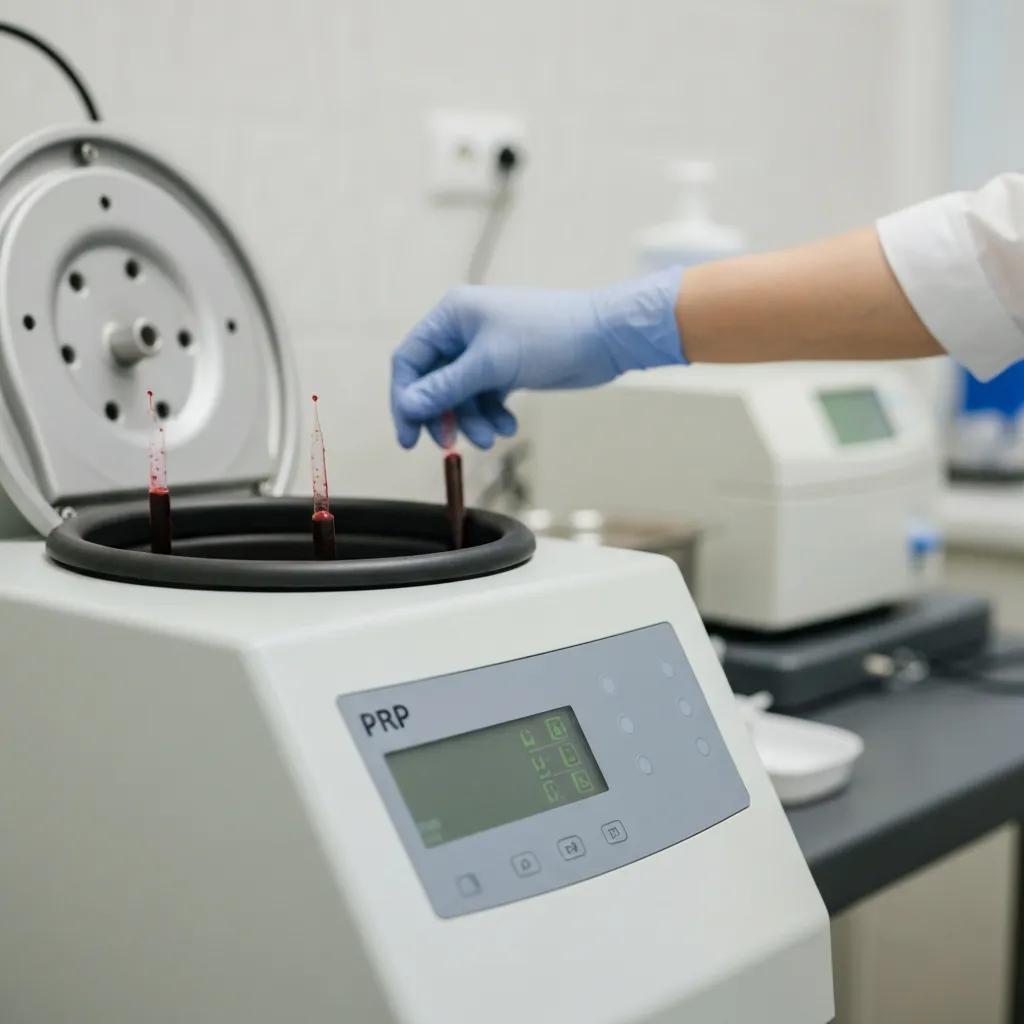
Recent advancements in regenerative medicine, including platelet-rich plasma (PRP) therapy and stem cell treatments, have shown promise in promoting healing and reducing inflammation. These innovative therapies focus on addressing the underlying causes of joint pain, offering patients a comprehensive approach to care.
Preparing for Your Orthopaedic Appointment: What to Expect
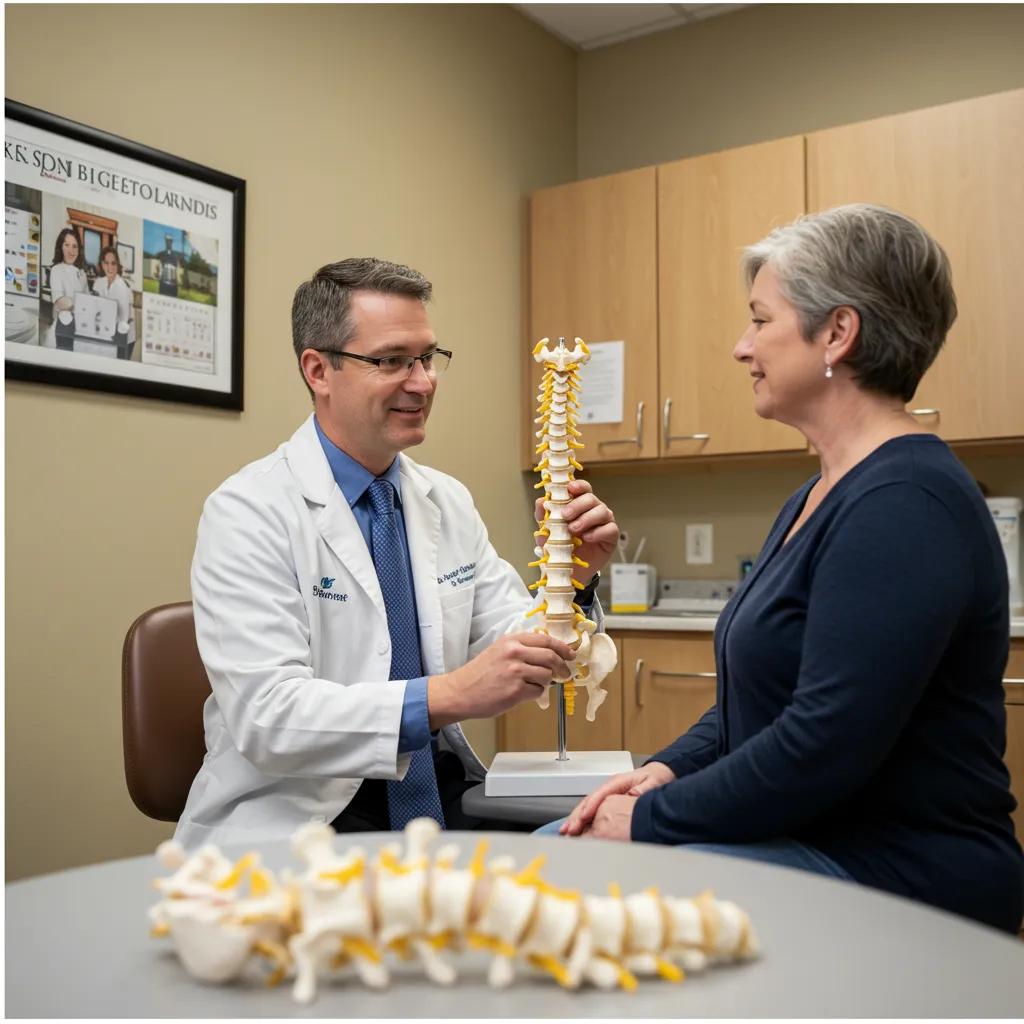
Preparing for an orthopaedic appointment can help ensure that patients receive the most effective care. It is advisable to gather relevant medical history, list current medications, and prepare questions regarding symptoms and treatment options to discuss with the orthopaedic specialist.
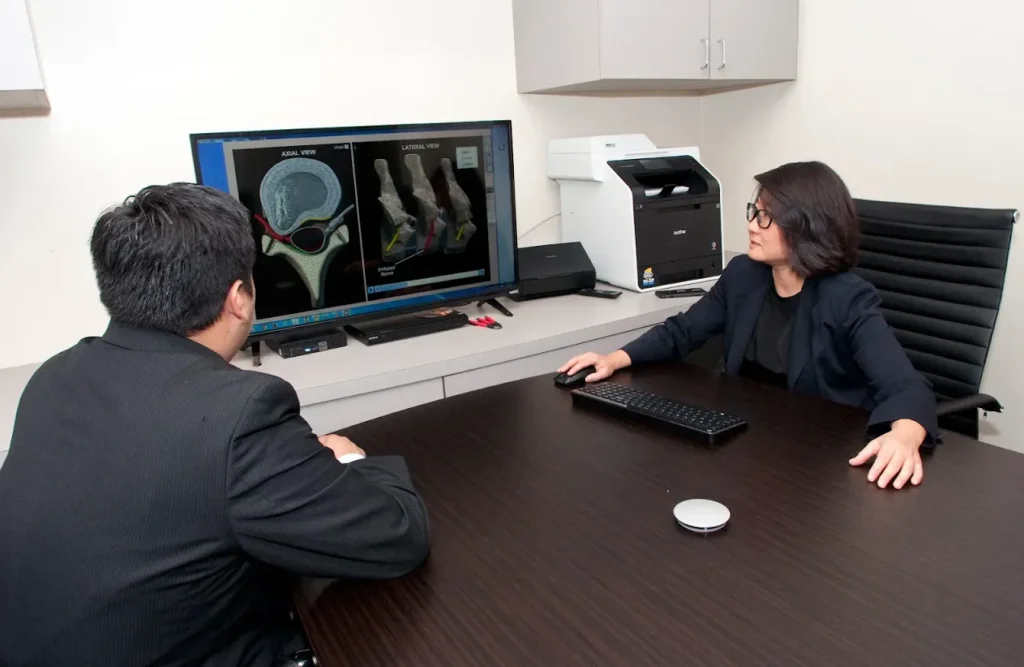
During the appointment, the physician will conduct a thorough examination, which may include imaging tests like X-rays or MRIs. This process helps in accurately diagnosing the condition and determining the best course of action, whether surgical or non-surgical.
Post-Operative Care and Rehabilitation for Joint Replacement
Post-operative care is crucial for successful recovery following joint replacement surgery. Patients typically require a structured rehabilitation program that includes physical therapy to regain strength, flexibility, and mobility in the affected joint.
Adhering to the rehabilitation plan and attending follow-up appointments are essential for monitoring progress and addressing any complications that may arise. With commitment and the right support, patients can achieve optimal outcomes and enjoy an active lifestyle post-surgery.
Understanding Joint Replacement Surgery: Benefits and Risks
Joint replacement surgery is a significant procedure that can greatly improve the quality of life for individuals suffering from severe joint pain and dysfunction. This surgery involves replacing damaged joint surfaces with artificial implants, which can alleviate pain, restore function, and enhance mobility.
While the benefits are substantial, it is essential to consider the risks associated with joint replacement surgery, such as infection, blood clots, and implant failure. Patients should engage in thorough discussions with their orthopaedic surgeons to weigh these risks against the potential for improved health outcomes.
Innovative Non-Surgical Treatments for Joint Pain
For those hesitant about surgery, non-surgical treatments offer effective alternatives for managing joint pain. Options such as physical therapy, corticosteroid injections, and viscosupplementation can provide significant relief and improve joint function without the need for invasive procedures.
Recent advancements in regenerative medicine, including platelet-rich plasma (PRP) therapy and stem cell treatments, have shown promise in promoting healing and reducing inflammation. These innovative therapies focus on addressing the underlying causes of joint pain, offering patients a comprehensive approach to care.
Preparing for Your Orthopaedic Appointment: What to Expect
Preparing for an orthopaedic appointment can help ensure that patients receive the most effective care. It is advisable to gather relevant medical history, list current medications, and prepare questions regarding symptoms and treatment options to discuss with the orthopaedic specialist.
During the appointment, the physician will conduct a thorough examination, which may include imaging tests like X-rays or MRIs. This process helps in accurately diagnosing the condition and determining the best course of action, whether surgical or non-surgical.
Post-Operative Care and Rehabilitation for Joint Replacement
Post-operative care is crucial for successful recovery following joint replacement surgery. Patients typically require a structured rehabilitation program that includes physical therapy to regain strength, flexibility, and mobility in the affected joint.
Adhering to the rehabilitation plan and attending follow-up appointments are essential for monitoring progress and addressing any complications that may arise. With commitment and the right support, patients can achieve optimal outcomes and enjoy an active lifestyle post-surgery.