Top Non-Surgical Knee Pain Treatment Options in Houston for Effective Pain Relief
Knee pain can derail daily life, athletic goals, and work activities, but many patients can find meaningful relief without surgery through targeted, non-surgical care. This guide explains the leading non-surgical knee pain solutions available in Houston, with a focus on regenerative medicine, advanced adjunct therapies, diagnostic pathways, and realistic outcome measures so readers can make informed decisions. You will learn the common causes and symptoms of knee pain, how clinicians diagnose specific problems with X-rays and MRI, and which non-surgical options—like stem cell therapy, PRP, shockwave, PEMF, and chiropractic care—map best to particular conditions. The article also compares therapies, summarizes current evidence, and shows how to evaluate candidacy, safety, and expected recovery timelines. After reviewing the options, readers ready to act will find clear next steps for local consultations and what to expect during an evaluation and diagnostic X-rays.
What Are the Common Causes and Symptoms of Knee Pain in Houston Patients?
Knee pain commonly stems from structural degeneration, soft-tissue injury, ligament damage, or inflammatory overload, each producing distinct symptoms and treatment implications. Understanding these etiologies helps direct non-surgical pathways because accurate diagnosis identifies whether cartilage, meniscus, tendon, or ligament pathology is the primary pain driver. Early recognition of symptom patterns—such as mechanical locking for meniscus tears or diffuse stiffness for osteoarthritis—guides whether regenerative approaches, physical rehabilitation, or modality-based therapies are appropriate. The following list highlights the most frequent causes and short symptom summaries to help patients and clinicians prioritize diagnostic testing.
Common causes of knee pain and brief symptom profiles:
- Osteoarthritis: Gradual joint space narrowing with morning stiffness and activity-related pain.
- Meniscus Tear: Mechanical catching, focal joint line pain, and swelling after twisting injuries.
- ACL or Ligament Injury: Acute instability, giving-way episodes, and swelling after trauma.
- Patellar Tendonitis / Tendinopathy: Localized tendon pain aggravated by jumping or climbing.
- Post-traumatic or Inflammatory Arthritis: Variable swelling, reduced range of motion, and pain flare-ups.
These causes form the diagnostic framework for targeted testing and treatment selection, which leads naturally into how clinicians confirm specific diagnoses using clinical exam and imaging.
Which Knee Conditions Lead to Chronic Pain?
Chronic knee pain most often arises from progressive cartilage loss, unresolved meniscal pathology, persistent tendinopathy, or post-traumatic degenerative change that alters joint mechanics. Osteoarthritis is the predominant chronic condition in middle-aged and older adults, producing progressive pain with activity and reduced function, while chronic meniscus injuries often follow an acute tear that failed to heal and continues to generate mechanical symptoms. Chronic tendinopathy—such as patellar tendonitis—results from repetitive overload and degenerative collagen changes that resist simple rest strategies. Recognizing the typical age, activity profile, and progression for each condition helps clinicians recommend non-surgical care that aims to reduce pain, restore function, and slow structural decline rather than immediately progressing to surgery.
How Is Knee Pain Diagnosed: X-rays, MRI, and Clinical Evaluation?
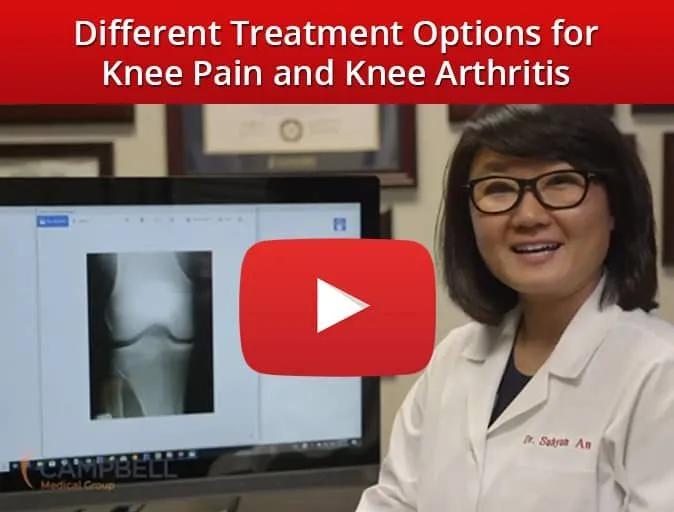
Diagnosis combines a focused history, targeted physical exam maneuvers, and selective imaging to clarify the source of pain and guide treatment selection. Clinical exam identifies instability, joint line tenderness, range-of-motion loss, and functional limitations, which determines whether X-rays or MRI are needed next. X-rays efficiently reveal joint space narrowing, osteophytes, and alignment problems relevant to osteoarthritis, while MRI visualizes soft tissues—menisci, ligaments, cartilage defects, and occult bone injuries—useful when non-surgical regenerative or biologic injections are being considered.
A practical diagnostic pathway is: clinical assessment → X-ray for suspected arthritis or alignment issues → MRI for persistent mechanical symptoms or uncertain soft-tissue injury, and each step refines non-surgical treatment choices.
How Does Regenerative Medicine Provide Non-Surgical Knee Pain Relief in Houston?
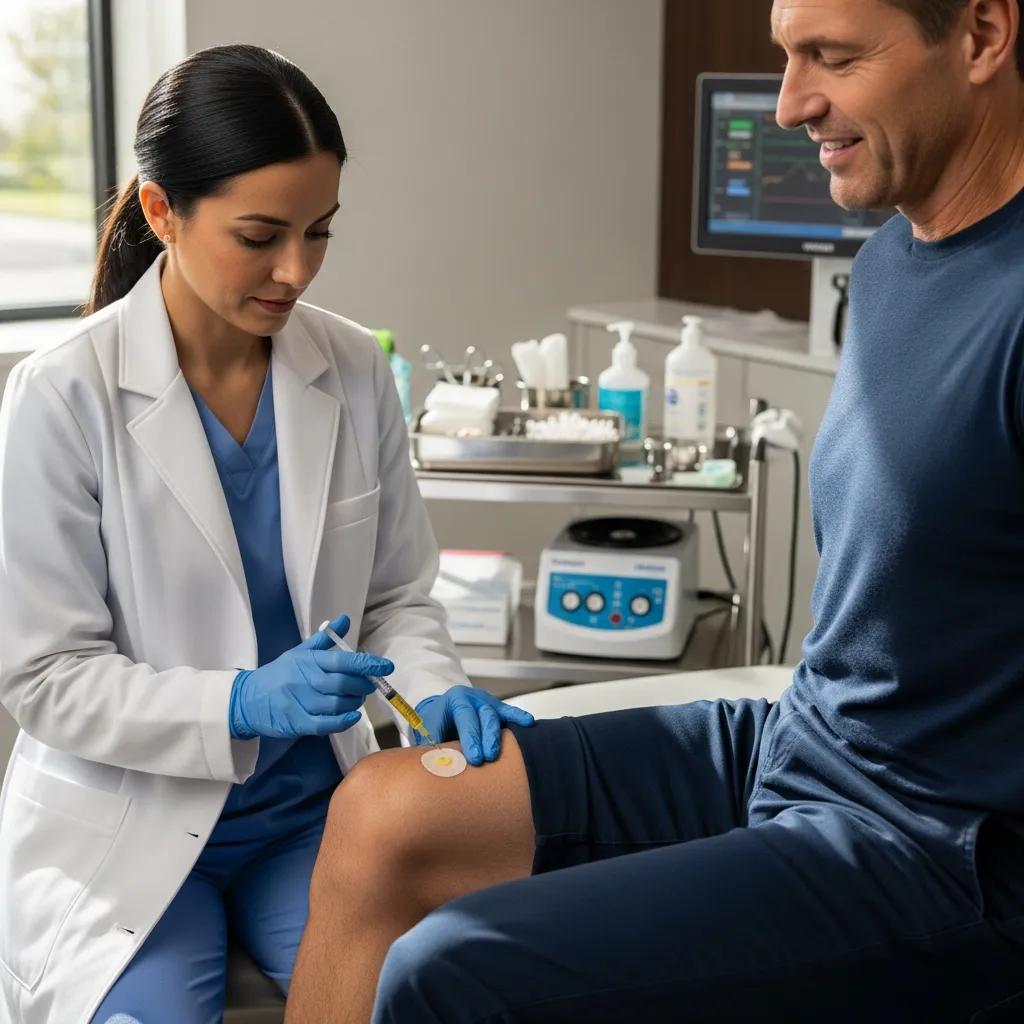
Regenerative medicine uses biologic agents to stimulate tissue repair, modulate inflammation, and improve joint function without open surgery, offering a pathway to reduce pain and potentially slow degeneration. These therapies act through cellular signaling, growth factor delivery, and scaffold-like support to encourage cartilage repair and tendon healing, with protocols tailored to the specific pathology and patient profile. Current research through 2023–2024 indicates measurable pain and function improvements in many patients with early to moderate osteoarthritis and selected soft-tissue injuries, although candidacy and realistic expectations must be discussed. The following table compares core regenerative options—stem cell therapy, PRP, and regenerative cellular tissue—so patients can see typical sources, mechanisms, session counts, and expected outcomes.
Comparison of regenerative knee therapies:
| Therapy | Source / Mechanism | Typical Sessions | Candidate Profile | Expected Outcome |
|---|---|---|---|---|
| Stem Cell Therapy | Autologous or allogeneic cellular preparations that promote cartilage repair and anti-inflammatory signaling | 1–3 procedures commonly staged over months | Early–moderate OA, focal cartilage defects, motivated non-surgical candidates | Pain reduction, functional gains, potential cartilage improvement |
| Platelet-Rich Plasma (PRP) | Concentrated platelets release growth factors to stimulate tissue repair and limit inflammation | 1–4 injections spaced weeks apart | Meniscus tears, early OA, tendinopathy, active patients | Reduced pain, improved tissue healing and function |
| Regenerative Cellular Tissue | Processed biologic matrix with cells and scaffolding to support complex joint repair | Often single application with possible follow-up | Complex degenerative lesions or combined tissue deficits | Symptomatic relief and structural support for healing |
This comparison clarifies mechanism and typical courses for each regenerative option and prepares the reader for candidacy considerations and safety screening that follow next.
After patients understand mechanisms and likely outcomes, many seek local providers who offer these services and streamlined consultation pathways to evaluate candidacy and plan treatment.
Following a clear explanation of regenerative options, Campbell Health Center in Houston provides regenerative medicine offerings including Stem Cell Therapy, PRP, and Regenerative Cellular Tissue as real-world treatment choices. The center emphasizes safe, natural, non-surgical approaches and offers an accessible next step through a $49 consultation that includes evaluation and diagnostic X-rays to determine candidacy and a personalized plan. This practical availability means patients can move from understanding mechanisms to booking an evaluation and learning which biologic approach aligns with their condition and goals.
What Is Stem Cell Therapy for Knee Osteoarthritis and Who Is a Candidate?
Stem cell therapy aims to harness reparative cellular signaling to reduce inflammation and support regeneration of damaged cartilage and joint tissues, improving pain and function for selected patients. Typically derived from autologous sources or processed regenerative cellular tissue, these treatments deliver cells and bioactive factors into the joint to modulate healing and limit degenerative cascades. Ideal candidates include individuals with early-to-moderate osteoarthritis or focal cartilage defects who wish to avoid or delay joint replacement, have realistic expectations, and have completed baseline diagnostic imaging. Safety screening, informed consent, and a multimodal rehab plan are essential, and patients generally observe gradual improvements over weeks to months with limited downtime.
Mesenchymal Stem Cells for Cartilage Repair and Regeneration
Articular cartilage injuries caused by traumatic, mechanical and/or by progressive degeneration result in pain, swelling, subsequent loss of joint function and finally osteoarthritis. Due to the peculiar structure of the tissue (no blood supply), chondrocytes, the unique cellular phenotype in cartilage, receive their nutrition through diffusion from the synovial fluid and this limits their intrinsic capacity for healing. The first cellular avenue explored for cartilage repair involved the in situ transplantation of isolated chondrocytes. Latterly, an improved alternative for the above reparative strategy involved the infusion of mesenchymal stem cells (MSC), which in addition to a self-renewal capacity exhibit a differentiation potential to chondrocytes, as well as a capability to produce a vast array of growth factors, cytokines and extracellular matrix compounds involved in cartilage development.
Cell therapy and tissue engineering approaches for cartilage repair and/or regeneration, R Mardones, 2015
The potential for stem cells to aid in cartilage repair and regeneration is a key aspect of their use in treating osteoarthritis.
How Do PRP Injections Help Heal Meniscus Tears and Cartilage Damage?
Platelet-rich plasma (PRP) concentrates a patient’s platelets to release growth factors that promote localized tissue repair, angiogenesis, and modulation of inflammatory pathways within injured meniscus or cartilage. PRP preparation involves blood draw and centrifugation to isolate platelets, then ultrasound-guided injection into the injured region; protocols commonly use a series of injections spaced over several weeks. Evidence supports PRP for symptom relief and functional improvement in meniscal pathology and early osteoarthritis, particularly in active patients seeking to return to sport or work without surgery. Recovery is generally rapid with mild transient soreness, and expected outcomes include progressive pain reduction and improved joint function within weeks to months.
What Are the Benefits of Regenerative Cellular Tissue for Knee Joint Repair?
Regenerative cellular tissue treatments combine cellular components with biologic matrices to create a scaffold that supports tissue integration, reduces inflammation, and provides structural assistance for complex degenerative issues. These options are often selected for more advanced or mixed pathology where a single-modality injection may be insufficient, offering a balance between biologic stimulation and mechanical support. Benefits include potential improvement in tissue quality, symptom relief, and a reduction in pain that enables rehabilitation efforts to restore strength and function. Patients considering these approaches require careful evaluation to confirm suitability and to combine the therapy with rehabilitation and adjunct modalities for optimal results.
Minimally Invasive Cellular Therapies for Osteoarthritis
Osteoarthritis (OA) is a chronic degenerative disease characterized by multiple pathological conditions such as synovitis, degeneration of the articular cartilage, subchondral bone remodeling, and osteophyte formation. Local chronic inflammation response induces degradation of cartilage and the poor regenerative ability of articular cartilage due to its avascular nature and limited regeneration of chondrocytes affecting the microenvironment of the joint. Current clinical treatments provide temporal pain relief but have failed to treat OA pathogenesis. In addition, surgical invasive methods have the risk of adverse complications such as long-term pain and increased morbidity. Therefore, there is a need to develop novel therapeutic strategies to prevent adverse effects seen in current surgical approaches. Minimally invasive therapies have been explored to overcome the limitations of conventional OA therapies. In recent years, cellular-based therapies have been employed to suppress inflammation and promote cartilage regeneration by using progenitor cells and stem cells including induced pluripotent stem cells (iPSCs) and genetically modified cells. The present review summarizes the status of cellular-based therapy for OA treatment. We suggest that minimally invasive intervention in the microenvironment of the joint may overcome the current limitation for OA treatment.
Minimally invasive cellular therapies for osteoarthritis treatment, S Shah, 2021
Minimally invasive cellular therapies are being explored as a way to address the complex pathology of osteoarthritis and improve upon current treatment limitations.
What Advanced Non-Surgical Therapies Are Available for Knee Pain Relief in Houston?
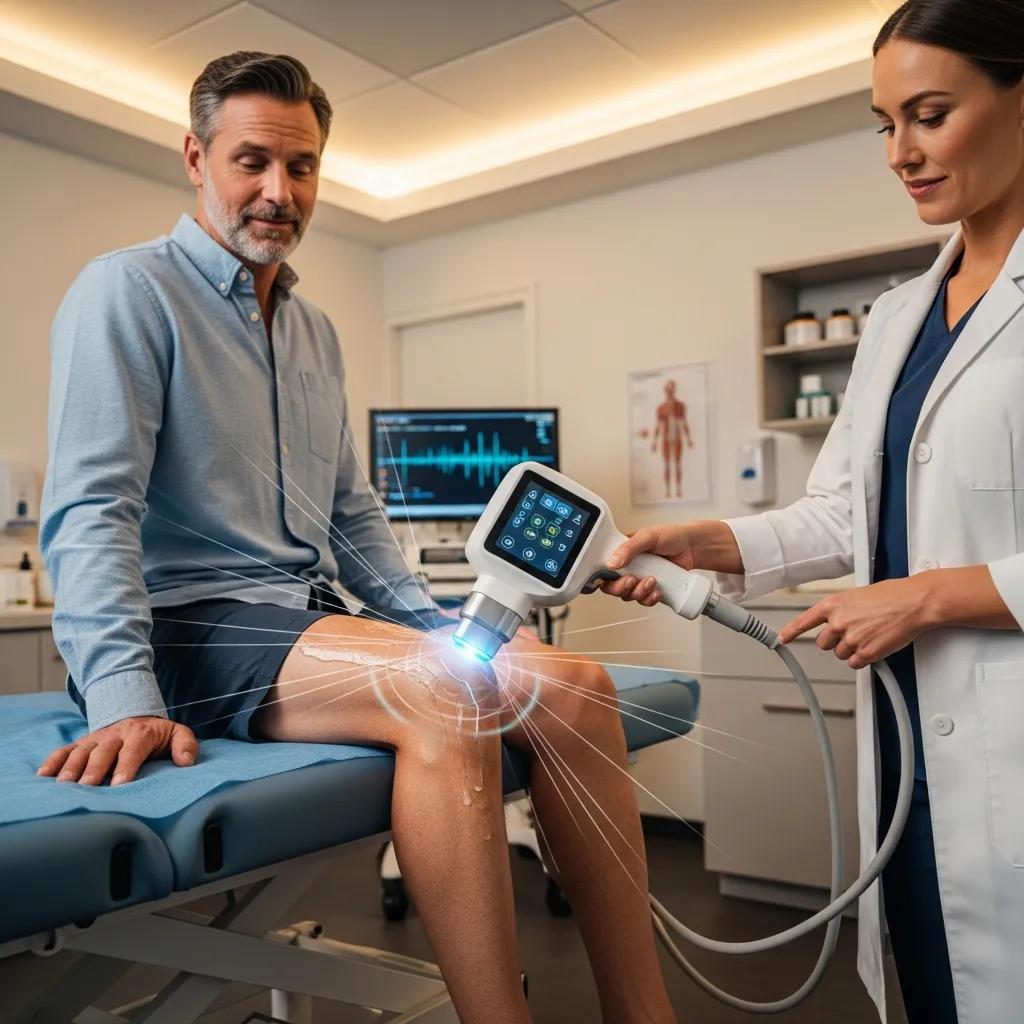
Beyond regenerative injections, several advanced non-surgical therapies help manage pain, accelerate recovery, and complement biologic treatments; these include shockwave therapy, PEMF (Pulsed Electromagnetic Field) therapy, and chiropractic care that addresses biomechanical contributors. Each modality has distinct mechanisms—mechanical stimulation, electromagnetic modulation, or alignment correction—that target inflammation, tissue healing, or joint mechanics. When combined within a multimodal plan, these therapies can reduce pain more quickly, support regenerative protocols, and improve function without surgery. The following table compares indications, typical recovery timelines, and evidence levels for these adjunct therapies to help patients and clinicians design integrated plans.
| Therapy | Indications | Recovery Time | Evidence Level |
|---|---|---|---|
| Shockwave Therapy | Chronic tendonitis, calcific deposits, soft-tissue pain | Minimal downtime; effects accumulate over 2–8 weeks | Moderate to high for tendinopathy |
| PEMF Therapy | Inflammation, post-procedure recovery, chronic joint inflammation | Non-invasive, typically multiple sessions with progressive benefit | Emerging to moderate clinical evidence |
| Chiropractic Care | Biomechanical alignment, gait issues, referred knee pain from spine/hip | Immediate biomechanical relief with therapy course for lasting change | Moderate evidence for function and pain when combined with rehab |
This comparison shows how each therapy fits into a non-surgical pathway and how recovery profiles differ, allowing patients to match interventions to goals and timelines.
Providers in Houston offer these modalities in integrative treatment plans. Campbell Health Center provides Shockwave Therapy, PEMF Therapy, and Chiropractic Care as part of multimodal non-surgical knee management, and patients can explore these options during the $49 consultation that includes evaluation and diagnostic X-rays. For many patients, combining regenerative injections with targeted adjunct therapies improves symptom timelines and supports sustained functional recovery.
How Does Shockwave Therapy Treat Chronic Knee Pain and Tendonitis?
Shockwave therapy delivers targeted acoustic pulses that stimulate tissue remodeling, neovascularization, and the breakdown of calcific deposits, accelerating healing in chronic tendinopathy and soft-tissue conditions. Protocols typically involve multiple sessions spaced weekly, during which patients may feel transient discomfort followed by progressive pain reduction and improved load tolerance. Clinical studies demonstrate consistent benefit for chronic tendon issues and certain enthesopathies, especially when conventional measures have failed. Shockwave works well as a bridge to strengthening and may enhance outcomes when combined with biologic therapies.
What Role Does PEMF Therapy Play in Reducing Knee Inflammation and Pain?
PEMF therapy uses pulsed electromagnetic fields to modulate inflammatory pathways, promote cellular repair, and enhance local circulation, which can reduce pain and accelerate recovery after injury or injection. Sessions are non-invasive and painless, often delivered multiple times per week depending on the condition and treatment plan, and are especially useful to support recovery phases after regenerative procedures. Emerging clinical evidence supports PEMF for symptom relief and functional gains, and it is frequently integrated into comprehensive non-surgical protocols to complement cellular therapies. PEMF’s ease of use and safety profile make it a practical adjunct for patients seeking conservative care.
PEMF Therapy for Knee Osteoarthritis Pain Relief
This study examined whether a non-thermal, non-invasive, pulsed electromagnetic field (PEMF), known to modulate the calmodulin (CaM)-dependent nitric oxide (NO)/cyclic guanosine monophosphate (cGMP) signaling pathway, could reduce pain in early knee OA. This randomized, placebo-controlled, double-blind pilot clinical study enrolled 34 patients. Patient selection required initial VAS ≥4, 2 h of standing activity per day, and no recent interventions such as cortisone injections or surgery. Results showed VAS pain score decreased in the active cohort by 50 ± 11 % versus baseline starting at day 1 and persisting to day 42 (P< 0.001). There was no significant decrease in VAS versus baseline at any time point in the sham cohort (P= 0.227). The overall decrease in mean VAS score for the active cohort was nearly threefold that of the sham cohort (P< 0.001). The results suggest that non-thermal, non-invasive PEMF therapy can have a significant and rapid impact on pain from early knee OA and that larger clinical trials are warranted.
Non-invasive electromagnetic field therapy produces rapid and substantial pain reduction in early knee osteoarthritis: a randomized double-blind pilot study, 2013
Research indicates that PEMF therapy can offer rapid and significant pain reduction for individuals experiencing early knee osteoarthritis.
How Can Chiropractic Care Improve Knee Alignment and Function?
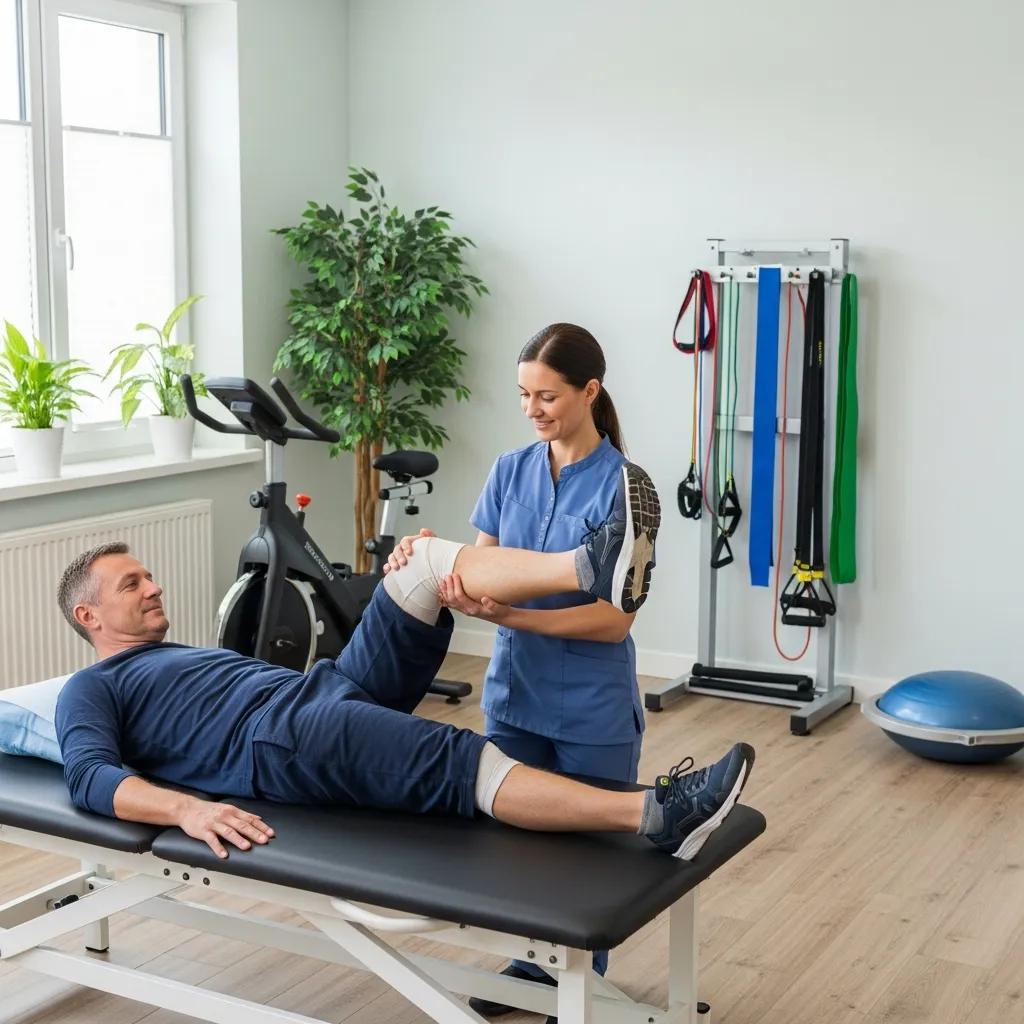
Chiropractic care addresses biomechanical contributors to knee pain by restoring joint mobility, optimizing gait mechanics, and correcting referred stress from the hip or spine that can amplify knee symptoms. Interventions such as targeted adjustments, soft-tissue mobilization, and functional rehabilitation improve alignment and distribute loads more favorably across the knee joint, reducing pain and improving function. Chiropractic adds value when combined with regenerative or modality-based treatments by enabling patients to maintain gains through improved mechanics. Patients with alignment-driven or referred pain often see quicker functional improvements when chiropractic care is included in a multimodal plan.
Why Choose Campbell Health Center for Non-Surgical Knee Pain Treatment in Houston?
Campbell Health Center positions itself as a local resource for safe, natural, non-surgical treatment pathways that prioritize individualized care and measurable outcomes for knee pain patients. The center emphasizes a personalized 3-step approach focusing on accurate diagnosis, targeted non-surgical therapy selection (including regenerative medicine and adjunct modalities), and structured rehabilitation to restore function. Safety screening and a natural, conservative treatment philosophy guide therapeutic choices, and the clinic operates independently of insurance and Medicare to focus care decisions on patient needs rather than payer constraints.
What makes the center’s approach safe and personalized is the emphasis on thorough assessment, patient education, and matching therapies to the underlying tissue problem rather than a one-size-fits-all protocol. The 3-step personalized approach begins with diagnostic evaluation and imaging, proceeds to targeted non-surgical interventions—such as regenerative injections, shockwave, PEMF, or chiropractic care—and concludes with individualized rehabilitation and outcome tracking. Safety practices include screening for contraindications, informed consent, and stepwise escalation only when needed, which aligns with a natural, non-surgical philosophy. This process helps patients avoid unnecessary surgery while pursuing evidence-based, measurable improvements in pain and function.
What Makes Campbell Health Center’s Approach Safe, Natural, and Personalized?
Campbell Health Center’s methodology combines evidence-informed regenerative options with adjunct therapies and rehabilitation to create individualized plans that prioritize safety and natural healing pathways. The 3-step approach—diagnosis, targeted non-surgical therapy selection, and structured recovery—ensures each intervention aligns with tissue pathology and patient goals, reducing risk and improving the chance of meaningful outcomes. Safety measures include thorough clinical screening, use of diagnostic X-rays during the initial consultation, and careful follow-up to monitor progress and adjust plans. By emphasizing natural, non-surgical treatments and personalized care, the center aims to provide sustainable pain relief while minimizing invasive interventions.
How Does the $49 Consultation Include Evaluation and X-rays for Knee Pain?
The $49 consultation includes a focused clinical history and physical exam, point-of-care diagnostic X-rays to assess joint space, alignment, and gross structural changes, and an individualized discussion of appropriate non-surgical options. Patients should expect a comprehensive evaluation that identifies the probable pain source, clarifies candidacy for regenerative or adjunct therapies, and results in a recommended next-step treatment plan. The consultation is designed to be low-friction and informative, allowing patients to understand options and timelines before committing to a therapy pathway. For many, this consult provides the clarity needed to proceed with regenerative medicine, shockwave therapy, PEMF, chiropractic care, or a coordinated multimodal program.
What Are Real Patient Success Stories of Avoiding Knee Surgery with Non-Surgical Treatments?
Non-surgical pathways can lead to measurable pain reduction and restored function for many patients who might otherwise consider surgery, with outcomes tracked using validated metrics and functional milestones. Case examples commonly show patients with early osteoarthritis or meniscal pathology who pursue regenerative injections combined with adjunct therapies and rehabilitation, reporting substantial reductions in pain scores and return to activity within months. Aggregated outcomes in clinical series typically use pain scales, WOMAC or KOOS functional scores, and return-to-activity timelines to quantify benefit, providing meaningful benchmarks for expected improvement. The following vignettes and outcome measures illustrate how integrated non-surgical care can change patient trajectories.
How Have Patients Experienced Pain Reduction and Improved Mobility?
Practice-based case vignettes often describe patients with activity-limiting knee pain who, after targeted regenerative injections and adjunct therapies, achieve significant pain relief and regain functional tasks such as stair climbing or recreational sports. For example, a middle-aged patient with early knee osteoarthritis may report a 50–70% reduction in pain and improved walking endurance within 8–12 weeks following PRP or stem-cell-guided care plus rehabilitation. These narratives emphasize staged recovery—initial symptom control, progressive loading, and functional return—and show how a combined approach can avoid immediate surgical referral. Objective improvement in daily activities and sport-specific tasks reinforces the value of non-surgical pathways for appropriately selected patients.
What Measurable Outcomes Demonstrate the Effectiveness of Regenerative Therapies?
Clinicians measure success using standardized pain scores, functional indices like WOMAC and KOOS, return-to-activity timelines, and imaging changes when relevant to document structural response. Typical meaningful improvements cited in contemporary practice are a 10–20 point change on KOOS/WOMAC scales or a 30–60% reduction in patient-reported pain scores over 3–6 months, with many patients experiencing earlier functional gains. Imaging may show stabilization or reduced progression in select cases, though clinical improvement often precedes radiographic change. These metrics provide transparent benchmarks to guide ongoing care decisions and set realistic expectations for patients considering regenerative or adjunct non-surgical options.
What Are the Most Frequently Asked Questions About Non-Surgical Knee Pain Treatments in Houston?
Patients frequently ask which non-surgical approach provides the fastest relief, when to seek specialist evaluation, and how non-surgical options compare to surgery for longevity and risk. Clear, concise answers help set expectations and encourage timely consultation when indicated; the following table and Q&A pairs address top queries and indicate when a consultation is warranted. This FAQ-style resource is optimized to help readers get immediate guidance and to recognize red flags that require professional assessment.
| Question | Short Answer | When to Seek Consultation |
|---|---|---|
| What is the fastest way to relieve knee pain without surgery? | Short-term relief often comes from activity modification, icing, NSAID use as appropriate, and targeted clinic modalities like shockwave or local injections. | If pain persists beyond 2–4 weeks or limits daily activities, seek consultation. |
| When should you seek non-surgical treatment for knee pain? | Seek non-surgical evaluation for persistent pain, recurrent swelling, instability, or activity-limiting symptoms lasting more than four weeks. | Early evaluation is advised to preserve joint function and expand non-surgical options. |
| How do non-surgical options compare to knee surgery? | Non-surgical options offer lower immediate risk and faster return to activity for many conditions, but surgery may be necessary for severe mechanical instability or end-stage joint destruction. | If non-surgical measures fail to restore function or pain progresses, a specialist discussion about surgery is appropriate. |
These concise answers guide immediate decision-making and indicate clear thresholds for scheduling an evaluation; next we list practical immediate steps patients can take to relieve pain while arranging definitive care.
What Is the Fastest Way to Relieve Knee Pain Without Surgery?
Immediate conservative measures can reduce pain and swelling while a longer-term non-surgical plan is arranged, and these steps are effective first-line interventions for most acute or subacute knee complaints. Short-term at-home measures include rest and activity modification, controlled icing to reduce inflammation, and elevation to minimize swelling, combined with early pain control strategies. In-clinic interventions such as targeted injections, shockwave sessions, or a short course of supervised physical therapy often accelerate symptom relief and restore function faster than isolated home care. Patients should use these measures as a bridge to definitive diagnosis and personalized non-surgical treatment to achieve lasting improvement.
Practical immediate relief steps:
- Modify Activity: Reduce high-impact movements and use assistive devices if instability is present.
- Ice and Elevation: Apply cold and elevate the limb to reduce acute swelling and pain.
- Targeted Clinic Modalities: Consider prompt evaluation for shockwave or guided injection therapies that shorten recovery.
- Begin Controlled Rehab: Initiate guided strengthening and mobility work to protect and restore the joint.
When Should You Seek Non-Surgical Treatment for Knee Pain?
You should seek non-surgical evaluation when pain persists beyond several weeks, limits activities of daily living, causes recurrent swelling, or when instability or mechanical symptoms occur, because early intervention preserves options and function. Specific red flags include significant giving-way episodes, inability to bear weight, repeated effusions, or progressive loss of motion, which warrant prompt professional assessment. Early consultation improves the likelihood that regenerative or adjunct therapies will be effective and allows for timely diagnostic imaging to tailor treatments. Seeking care sooner rather than later often enables non-surgical pathways to succeed and reduces the chance of accelerated joint deterioration.
How Do Non-Surgical Options Compare to Knee Surgery?
Non-surgical options typically offer lower procedural risk, shorter recovery time, and the potential to delay or avoid surgery for many patients, particularly those with early-stage degeneration or isolated soft-tissue injuries. Surgery remains necessary when there is severe structural failure—such as complete ligament rupture with instability or end-stage arthritis—where mechanical correction or joint replacement provides definitive mechanical restoration. Comparative decision-making should weigh recovery timelines, complication risks, longevity of benefit, and patient goals; shared decision-making with specialists ensures the chosen pathway aligns with expected outcomes. Many patients benefit from attempting evidence-based non-surgical strategies first, with surgery reserved for failures or clearly indicated mechanical problems.
Final action steps and scheduling information: To schedule Campbell Health Center’s $49 Consultation, which includes evaluation and diagnostic X-rays, call (832) 648-4204 or (832) 979-6732 or visit the clinic at 1012 Campbell Rd, Houston, TX 77055. During that consultation patients receive a focused history, physical exam, point-of-care X-rays, and a personalized discussion of appropriate non-surgical options and next steps. This low-cost evaluation is designed to clarify candidacy for regenerative therapies, shockwave, PEMF, chiropractic, and coordinated rehabilitation so patients can make informed, timely decisions about avoiding or delaying surgery.