Stem Cell Therapy in Houston: How Regenerative Medicine Uses Your Own Cells to Heal Joint and Nerve Pain
Stem cell therapy uses a patient’s own cells to reduce pain and support tissue repair, offering a non-surgical alternative for many joint and nerve conditions in Houston. This article explains how autologous adipose-derived stem cell injections work, what conditions they may help, and how clinicians translate research into practical, patient-centered care. Readers will learn the biological mechanisms that promote regeneration, typical outcomes for knees, shoulders, and spine issues, and what to expect from a clinic visit — including procedure steps, recovery timelines, and cost context. The goal is to help you weigh non-surgical regenerative options against medication or surgery and to provide clear next steps if you’re considering treatment. Sections map to practical questions: how regenerative medicine works, which conditions respond best, the clinic procedure (including ultrasound guidance), cost and financing, safety and evidence, and where to schedule a consult in Houston.
What Is Stem Cell Therapy and How Does Regenerative Medicine Work in Houston?
Stem cell therapy for musculoskeletal and nerve pain refers to treatments that deploy a patient’s own regenerative cells to reduce inflammation and support tissue repair, often classified under regenerative medicine and orthobiologics. The mechanism relies on mesenchymal stem cells (MSC) derived from adipose tissue that modulate inflammation through paracrine signaling, recruit local repair pathways, and create a microenvironment conducive to healing. Practically, that means targeted injections can reduce pain, improve function, and in some cases slow structural decline without general anesthesia or large incisions. Understanding the mechanism clarifies why careful delivery — for example, with image guidance — and patient selection matter when predicting outcomes and recovery.
How autologous (patient-derived) cells act in the treated area combines anti-inflammatory and trophic effects that reduce pain and support tissue remodeling. Recent clinical summaries show promising symptom improvement for knee osteoarthritis and tendon injuries while emphasizing variable durability based on condition severity and rehabilitation. Recognizing those variables leads naturally to a closer look at the cellular actions underpinning improvement and the realistic benefits patients can expect.
How Do Autologous Stem Cells Promote Healing and Regeneration?
Autologous mesenchymal stem cells promote healing mainly through paracrine signaling: they secrete growth factors and cytokines that reduce inflammation, recruit native cells, and stimulate angiogenesis rather than simply turning into new tissue. This immunomodulatory action helps calm chronic inflammation that perpetuates pain in osteoarthritis, tendinopathy, and nerve irritation. Using the patient’s own adipose-derived MSCs also minimizes immunologic risk and bypasses ethical concerns tied to other cell sources, while allowing outpatient harvest and same-day processing workflows. Because the cells act as cellular “managers” that orchestrate repair, injection technique and local environment (reduced inflammation, physical therapy) influence clinical benefit.
The next important question is what those biologic effects translate to for patients: tangible reductions in pain, gains in mobility, and potential delay or avoidance of surgery in appropriate candidates.
What Are the Key Benefits of Stem Cell Therapy for Non-Surgical Pain Relief?
Stem cell therapy offers patient-centered benefits that focus on function and recovery rather than only symptom masking. Key advantages include reduced pain, improved joint or tendon function, decreased reliance on long-term medications, and the possibility of avoiding or delaying surgery when combined with rehabilitation. Many patients appreciate the minimally invasive nature and outpatient recovery profile compared with operative approaches, especially when precise delivery reduces procedure risk. These outcomes depend on condition severity, realistic expectations, and a coordinated plan that includes rehab and follow-up outcome assessment.
Stem cell therapy’s value is best understood alongside comparable options and trade-offs, which is why a clear comparison helps patients decide whether orthobiologic care fits their goals.
For context, compare autologous stem cell injections, PRP, and conventional surgery in clinical attributes:
| Approach | Invasiveness | Typical Recovery | Typical Outcome Focus |
|---|---|---|---|
| Autologous adipose-derived stem cells | Minimally invasive (outpatient harvest and injection) | Shorter recovery, gradual improvement over weeks to months | Pain reduction, function improvement, tissue modulation |
| Platelet-rich plasma (PRP) | Minimally invasive (blood draw and injection) | Short recovery, variable timeline | Anti-inflammatory, healing stimulation for tendons and mild OA |
| Conventional surgery (e.g., joint replacement) | Invasive, operative | Longer recovery, rehabilitation weeks to months | Structural correction, often definitive pain relief for advanced disease |
This comparison clarifies which patients may prefer regenerative options and which scenarios still require surgical solutions.
Which Conditions Can Stem Cell Therapy Treat in Houston?
Stem cell therapy is applied across a set of musculoskeletal and neuropathic conditions where local inflammation and degenerative change drive pain. Typical indications include knee osteoarthritis, rotator cuff and tendon injuries, degenerative disc disease with radicular symptoms, peripheral neuropathy in select cases, and some sports-related soft tissue injuries. Evidence strength and expected benefit vary by condition: knee OA and tendon injuries have the most consistent symptomatic improvements documented, while disc and neuropathic applications show promising but variable results. Patient selection — including imaging, activity goals, and prior treatments — helps predict who will benefit most.
A concise list helps patients scan common uses and outcome expectations before diving into condition-specific details and candidacy criteria.
- Knee osteoarthritis: pain and function improvements possible, especially in early to moderate disease.
- Shoulder tendon injuries and rotator cuff tears: pain reduction and improved strength when combined with rehab.
- Degenerative disc disease and sciatica: potential reduction in nerve irritation for selected patients.
- Peripheral neuropathy: symptomatic improvement reported in some studies with careful patient selection.
- Sports tendon and ligament injuries: accelerated healing and reduced inflammation for certain tendinopathies.
These condition categories map to realistic outcomes and guide the assessment of candidacy, which the next table summarizes.
| Condition | Typical Cause | Expected Result with Stem Cell Therapy |
|---|---|---|
| Knee osteoarthritis | Cartilage wear and joint inflammation | Reduced pain, improved function; potential delay of joint replacement in suitable candidates |
| Rotator cuff/tendon injuries | Tendon degeneration or partial tear | Decreased pain, improved range of motion and strength with concurrent rehab |
| Degenerative disc disease / sciatica | Disc degeneration, nerve irritation | Symptom reduction for select patients; careful imaging-based selection needed |
| Peripheral neuropathy | Nerve damage or metabolic factors | Possible symptomatic improvement in peripheral nerve function for some cases |
| Sports tendon injuries | Overuse and micro-tears | Faster symptomatic recovery and tissue healing support with PRP or MSC adjuncts |
Understanding condition-specific expectations helps patients set realistic goals and influences the recommended treatment plan.
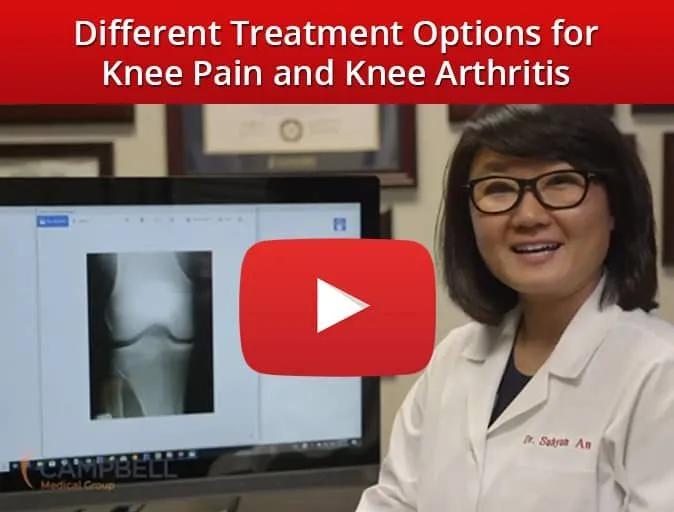
How Does Stem Cell Therapy Help with Knee Pain and Arthritis?
For knee osteoarthritis, adipose-derived MSCs can reduce joint inflammation through immunomodulation and secrete factors that support cartilage matrix preservation and symptom relief. Clinical summaries indicate many patients experience measurable pain reduction and improved function within weeks to months, with greatest benefit in early-to-moderate OA rather than end-stage joint failure. Candidates typically include those seeking to reduce medication use or delay joint replacement while maintaining activity, provided they undergo appropriate imaging and functional assessment beforehand. Combining injections with strengthening and gait-focused rehabilitation improves durability of outcomes and supports return to daily activities.
This condition-specific view transitions into spine-related applications where nerve irritation and structural issues change the candidacy calculus.
Can Stem Cell Therapy Relieve Back Pain, Sciatica, and Herniated Discs?
Degenerative disc disease and radicular pain often involve nerve root irritation and local inflammation; targeted orthobiologic injections aim to reduce inflammatory mediators and support disc microenvironment healing. Selected patients may experience reduced leg pain and improved function, but outcomes are more variable than for peripheral joint conditions because spinal pathology can include structural compression requiring surgical evaluation. Red flags (progressive neurologic deficits, bowel/bladder changes) mandate urgent surgical assessment and exclude regenerative-only approaches. When appropriate, orthobiologic therapy can be part of a multimodal plan focused on symptom control, core restoration, and progressive activity.
Because spinal applications require nuanced candidacy assessment, clinics emphasize imaging review and conservative care coordination before proceeding.
What Are the Results for Shoulder Pain and Neuropathy Treatments?
In shoulder conditions such as rotator cuff tendinopathy and partial tears, stem cell and PRP injections have shown reductions in pain and gains in range of motion, especially when combined with staged rehabilitation programs. Peripheral neuropathy treatments focus on improving nerve health via anti-inflammatory and trophic signaling, and some patients report improved sensation and decreased pain over several months. Success is measured by validated pain scales, functional tests (range of motion, strength), and patient-reported daily activity improvements; durability varies and often correlates with baseline severity and adherence to rehab. These measured outcomes help patients set expectations and choose appropriate post-procedure therapy.
The next section explains the procedural pathway in a clinic setting and what patients typically experience from consult to recovery.
What Is the Stem Cell Therapy Procedure at Campbell Health Center in Houston?
Stem cell therapy procedures at a clinic level begin with a comprehensive evaluation, proceed through cell harvest and processing, and conclude with image-guided injection and follow-up monitoring to measure outcomes. The typical flow includes consultation and imaging review, adipose tissue harvest under local anesthesia, processing to concentrate regenerative cells, and ultrasound-guided injection into the target tissue to maximize accuracy and safety. After treatment, patients follow a staged recovery plan with activity modification and progressive rehabilitation, with scheduled follow-up visits to assess response. This structured pathway reduces procedural uncertainty and supports measurable improvement through coordinated care.
Campbell Health Center’s approach illustrates a practical clinic model: a physician-led, three-step framework that emphasizes personalized planning, targeted autologous cell use, and image-guided delivery.
Campbell Health Center follows a three-step approach that keeps patient goals central:
- Consultation and evaluation: Clinical review, imaging assessment, and candidacy discussion to form a personalized plan.
- Procedure and targeted delivery: Adipose harvest, cell processing, and ultrasound-guided injection to the symptomatic site.
- Recovery and regain function: Follow-up visits, rehab guidance, and outcome monitoring to support long-term gains.
This numbered sequence clarifies expectations and helps patients understand the commitment and timeline required for regenerative care.
| Step | Attribute | Typical Time / Notes |
|---|---|---|
| Consultation & evaluation | History, exam, X-rays included in initial consult | $49 consultation includes evaluation and X-rays to determine candidacy |
| Harvest & processing | Local anesthesia adipose harvest and same-day processing | Outpatient; processing concentrates adipose-derived MSCs |
| Injection & follow-up | Ultrasound-guided injection with scheduled follow-ups | Precision delivery reduces risk and improves targeting; follow-ups track outcomes |
What Happens During the Initial Consultation and Evaluation?
The initial consultation is a focused clinical encounter where the provider reviews medical history, performs a targeted physical exam, evaluates imaging, and discusses realistic goals and candidacy for regenerative therapy. At this visit, patients receive an evidence-driven explanation of likely outcomes and alternative options, and the team outlines the personalized plan including expected recovery and rehabilitation steps. For many clinics, a low-cost access point helps reduce barriers: the $49 consultation model provides imaging (X-rays) and a thorough evaluation to decide whether to proceed with treatment. This structured first step ensures patients make informed choices aligned with their functional priorities.
Understanding the consultation content prepares patients for the technical aspects of harvest and injection that follow.
How Are Stem Cells Extracted, Processed, and Injected with Ultrasound Guidance?
Adipose-derived stem cell therapy typically begins with a small, outpatient harvest of fat tissue using a local anesthesia technique that resembles micro-liposuction, followed by processing to concentrate mesenchymal stem cells and supportive growth factors. The processing step uses sterile equipment to separate and concentrate the regenerative cell fraction in a closed system, producing a preparation intended for targeted injection. Ultrasound-guided injection is performed by a trained clinician to place the cell concentrate precisely into the joint, tendon, or perineural space, maximizing contact with the damaged tissues while avoiding nearby structures. Precision delivery with ultrasound improves safety and increases the likelihood that biological effects target the symptomatic area.
These technical steps set up expectations for recovery, which the next subsection addresses.
What Should Patients Expect During Recovery and Follow-Up Care?
After the procedure, patients can expect short-term soreness at harvest and injection sites, a brief period of activity modification, and a staged return to exercise guided by the clinic’s rehabilitation plan. Pain relief often appears gradually, with some symptom changes in the first few weeks and fuller functional gains over two to four months; individual timelines vary based on condition severity and adherence to rehab. Follow-up visits measure pain scores, function, and range of motion and guide any adjunctive therapies such as physical therapy or PRP adjuncts. Patients are advised about red flags and given clear guidance for progressive loading to support durable improvements.
This recovery plan emphasizes that regenerative treatment is one component of a coordinated pathway toward restored function.
How Much Does Stem Cell Therapy Cost in Houston and What Financing Options Are Available?
Costs for stem cell therapy in Houston vary depending on condition complexity, number of targeted sites, and processing methods, so clinics typically present a personalized quote after clinical evaluation. Many providers separate the upfront evaluation fee from treatment pricing to lower the barrier to assessment; for example, a $49 consultation can include evaluation and X-rays to determine candidacy and an estimated cost range. Compared with the combined costs of surgery, hospitalization, and prolonged rehabilitation, non-surgical regenerative options may represent value for patients seeking to avoid operative pathways or long-term medication use, but exact pricing should be reviewed in the consultation. Financing options and payment plans differ across practices, and discussing those possibilities during the consult helps patients budget for care.
A clear, simple list helps patients see common factors that influence price and what to ask during their visit.
- Diagnostic complexity and number of injection sites influence cost.
- Processing method and adjunct therapies (e.g., PRP) change final pricing.
- Follow-up care, imaging, and rehabilitation may be included or billed separately.
Putting these factors in perspective supports an informed decision, which is why the low-cost consultation exists to clarify expected financial commitment before treatment.
Why Is a $49 Consultation Offered and What Does It Include?
A $49 consultation is designed to reduce the initial barrier to specialty evaluation by providing a low-cost, structured visit that includes clinical history, physical exam, and X-rays to assess structural issues and treatment candidacy. This approach helps patients receive evidence-based counsel about whether autologous stem cell therapy or alternative care paths are likely to help, while clearly outlining next steps and any estimated costs for treatment. By separating evaluation from treatment pricing, patients can make informed choices without immediate financial commitment, and providers can tailor plans that reflect each patient’s goals and imaging findings. The consultation therefore functions as both triage and education, improving shared decision-making.
Explaining how consultation adds value naturally leads to a direct cost comparison with surgery and long-term medication approaches.
How Does Stem Cell Therapy Compare Cost-Wise to Surgery and Medication?
Comparing costs requires looking beyond the procedure price to include recovery time, lost productivity, rehabilitation, and long-term medication expenses; surgery often has higher upfront costs and longer downtime, while regenerative treatments aim to limit those indirect costs. For many patients, an orthobiologic approach can reduce reliance on chronic pain medications and their cumulative costs and side effects, and may delay or avoid the expense and recovery burden of joint replacement. However, for end-stage structural disease, surgery may offer more predictable structural correction despite higher early costs. Patients should evaluate direct fees, expected recovery-related costs, and potential long-term savings when choosing between options.
This comparative framing supports value-oriented decision-making and encourages discussing financing and outcome expectations during the consultation.
| Cost Factor | Autologous Stem Cell Injection | Surgery (e.g., joint replacement) | Long-term Medication |
|---|---|---|---|
| Upfront cost | Variable; consult determines estimate | High (surgery, anesthesia, facility fees) | Lower per month but cumulative over years |
| Recovery cost | Shorter downtime; outpatient rehab | Prolonged rehab, potential lost wages | Ongoing prescriptions and monitoring |
| Long-term value | Potential delay/avoidance of surgery | Durable structural fix for advanced disease | Symptom control without structural repair |
Is Stem Cell Therapy Safe and FDA Approved? What Are the Risks and Success Rates?
The regulatory landscape for autologous stem cell procedures emphasizes safety and informed consent rather than blanket FDA approval for specific clinical indications; clinicians typically follow standards that minimize manipulation and adhere to sterile processing and image-guided techniques. Safety measures — sterile harvest, closed-system processing, and ultrasound guidance for injections — reduce infection risk, misplacement, and procedural complications, while the autologous nature lowers immunologic concerns. Common, transient risks include short-term soreness, swelling, or localized inflammation; serious complications are uncommon when appropriate protocols and screening are used. Success rates vary across conditions: pain and function improvements are most consistent in knee osteoarthritis and tendon disorders, with ongoing trials refining estimates for durability and patient selection.
Given this mixed but generally promising evidence, informed consent and realistic expectation-setting remain core elements of safe practice.
What Safety Measures Does Campbell Health Center Use for Stem Cell Treatments?
Campbell Health Center emphasizes precise, image-guided delivery and an autologous adipose-derived approach to minimize risk and maximize targeted effect for musculoskeletal and nerve pain. The clinic’s protocol includes pre-procedure screening to identify contraindications, sterile harvest and processing workflows, and ultrasound-guided injection to place cells accurately in the injured tissue while avoiding adjacent structures. Using the patient’s own cells further reduces immunologic risk, and structured follow-up tracks outcomes and potential adverse events so clinicians can respond promptly. These safety-focused practices contribute to patient confidence and align with best-practice principles in regenerative medicine.
Clear protocols and monitoring help patients understand how safety is prioritized at the clinic level.
What Does Research Say About the Effectiveness and Longevity of Stem Cell Therapy?
Current research through mid-2024 shows a trend of promising symptom relief and functional improvement for select musculoskeletal conditions, especially knee osteoarthritis and tendon injuries, while evidence for spinal and neuropathic applications remains emerging and variable. Randomized and observational studies report meaningful pain score reductions and improved patient-reported function for many treated patients, but durability ranges from several months to a few years and often depends on baseline severity and rehabilitation adherence. Ongoing trials are refining optimal cell doses, processing methods, and combined therapies (e.g., PRP adjuncts), so up-to-date discussion during consultation is essential. Patients should interpret published outcomes in light of their specific condition and the clinic’s documented protocols.
Transparent discussion of evidence supports informed choices and realistic expectations about what regenerative therapy can achieve.
Where Can You Find Stem Cell Therapy in Houston and How Can You Schedule a Consultation?
Patients seeking regenerative options in Houston should select a physician-led clinic that emphasizes personalized evaluation, image-guided delivery, and clear post-procedure rehabilitation planning to maximize safety and outcomes. Campbell Health Center provides a local access point for those exploring non-surgical alternatives using autologous adipose-derived stem cells, a three-step approach focused on consultation, custom healing plan, and regaining freedom from pain. To begin, prospective patients can request the low-cost consultation to receive evaluation and X-rays that determine candidacy and outline the tailored treatment pathway. This practical scheduling step reduces uncertainty and helps patients make evidence-informed decisions about next steps.
The following bullets summarize clinic differentiators and practical steps a patient will notice when choosing a local provider.
- Personalized, root-cause focused care through a physician-led team.
- Use of the patient’s own adipose-derived cells with ultrasound-guided injection.
- A three-step process: consult, customized plan, and functional recovery support.
These distinguishing features highlight a patient-first approach and make the consult the natural next step for those evaluating regenerative treatment.
What Makes Campbell Health Center Different for Regenerative Medicine in Houston?
Campbell Health Center emphasizes a personalized, physician-led model that uses the patient’s own adipose-derived stem cells combined with ultrasound-guided injections to target joint and nerve pain while prioritizing safety and realistic outcomes. The clinic’s three-step framework — consultation, custom healing plan, and regaining freedom — is designed to put patient goals at the center of decision-making, and independence from insurance constraints allows clinicians to recommend treatments based on clinical need rather than coverage limitations. This combination of autologous cell use, image-guided precision, and personalized planning positions the center as a practical local option for patients seeking non-surgical regenerative care.
These attributes aim to reduce friction in access to specialty evaluation and to support outcome-focused care pathways.
How Do Patients Share Their Success Stories and Testimonials?
Patients who wish to share experiences typically provide written or recorded testimonials that the clinic can publish with consent to help others understand real-world outcomes and the treatment journey. The process usually involves documenting baseline symptoms, treatment steps, and follow-up outcomes, followed by consent for publication in condition-specific formats to assist future patients evaluating options. Sharing stories supports community learning while protecting privacy through clear consent pathways, and clinics often invite feedback to continuously refine care. Prospective patients are encouraged to review experience summaries during consultation to set expectations and understand typical recovery trajectories.
Sharing patient experiences complements objective outcome measures and helps future patients weigh options.