Regenerative Medicine in Houston: Benefits for Chronic Pain and Injuries with Non-Surgical Pain Relief
Regenerative medicine uses biologic therapies to stimulate the body’s natural healing mechanisms, offering an alternative pathway for people living with chronic joint and nerve pain. This article explains how regenerative medicine—encompassing orthobiologics like stem cell therapy, platelet-rich plasma (PRP), and regenerative cellular tissue—reduces pain, restores function, and can delay or avoid more invasive procedures. Readers will learn the basic mechanisms of growth factors and cell signaling, which conditions respond best, what to expect during treatment and recovery, and how non-surgical options compare with conventional surgery or long-term medication. The piece also maps specific approaches for knee pain, back and disc-related pain, peripheral neuropathy, and shoulder injuries using recent research perspectives from 2023–2024 to ground expectations. Finally, for Houston patients considering care, practical next steps and an example local provider with a $49 consultation offer are described to help convert information into action.
What Is Regenerative Medicine and How Does It Help Chronic Pain?
Regenerative medicine is a field of therapeutics that uses biologic materials and cellular signaling to promote tissue repair and modulate inflammation, producing targeted healing rather than simply masking symptoms. The core mechanisms involve concentrated growth factors, platelet-derived signals, and cellular agents that influence local repair pathways and reduce chronic inflammatory cycles in joints and nerves. By delivering these orthobiologic agents directly to injured tissues via minimally invasive injections, clinicians can enhance matrix remodeling and nerve recovery while minimizing systemic side effects. Current research from 2023–2024 supports measurable improvements in pain and function for selected patients with degenerative joint disease and certain types of neuropathy, though candidacy and outcomes vary by condition severity and patient health. Understanding these mechanisms helps patients weigh regenerative options against conventional treatments and prepares them for condition-specific protocols described below.
How Does Regenerative Medicine Work for Joint and Nerve Pain?
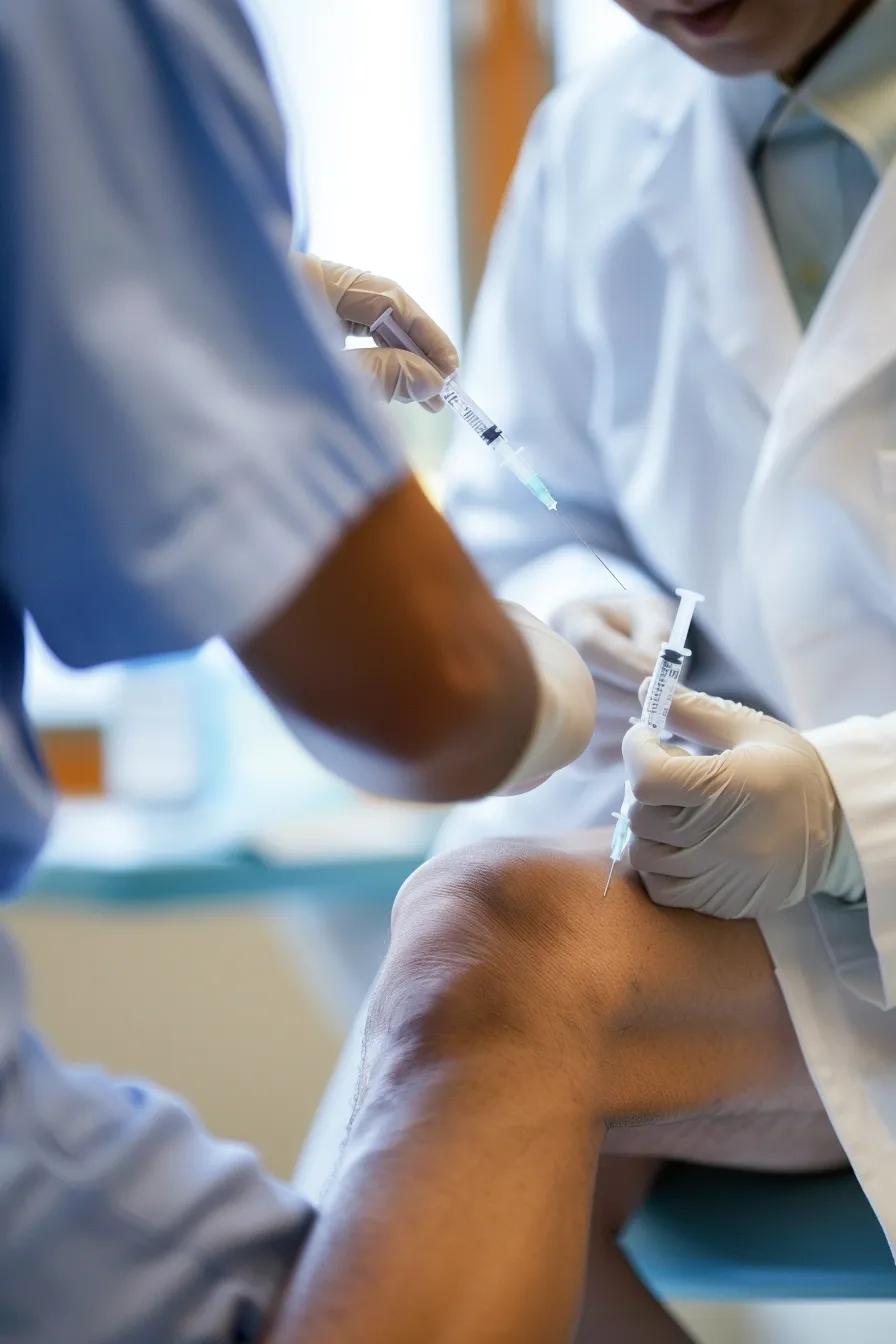
Regenerative approaches address joint and nerve pain by combining anti-inflammatory signaling with local tissue repair to restore structure and reduce nociceptive drivers of chronic pain. Growth factors from platelet-rich plasma and regenerative tissue preparations recruit resident cells, enhance collagen synthesis, and modulate cytokines to decrease inflammatory mediators that perpetuate pain in osteoarthritic joints. For nerve-related pain, biologic therapies can promote axonal support and remyelination pathways while decreasing neuroinflammation, which in turn may improve conduction and reduce paresthesia. Imaging-guided injections concentrate these agents at the affected site—e.g., intra-articular for knee OA or perineural for neuropathy—optimizing local dose and reducing systemic exposure. Recent clinical summaries through 2024 indicate many patients see pain reduction within weeks and continued functional gains over months when regenerative therapy is combined with rehabilitation.
What Conditions Can Regenerative Medicine Treat in Houston?
Regenerative medicine in the clinical setting is commonly applied to a set of musculoskeletal and nerve-related conditions where targeted repair improves function and reduces pain. Typical treated conditions include knee osteoarthritis and meniscal injury, shoulder tendinopathy and rotator cuff pathology, degenerative low back pain and some herniated discs, peripheral neuropathy with sensory deficits, and chronic tendon or sports injuries. Each condition has different typical responses: for example, early-to-moderate knee OA often shows better symptomatic improvement than end-stage joint disease, while focal tendon tears or tendinopathies frequently respond to PRP-driven healing. Treatment suitability depends on imaging findings, symptom duration, medical history, and realistic outcome goals; candidacy evaluation identifies whether regenerative options are appropriate or whether referral for surgical evaluation remains necessary.
Which Regenerative Medicine Treatments Are Available in Houston?
In Houston clinics offering regenerative options, the main orthobiologic treatments include stem cell therapy, platelet-rich plasma (PRP), and regenerative cellular tissue preparations, each with distinct sources, mechanisms, and typical indications. Stem cell therapies aim to provide cellular signaling that supports repair and modulates inflammation, PRP concentrates platelets and growth factors from the patient’s own blood to accelerate healing, and regenerative cellular tissue therapies supply ready-made extracellular matrix and growth factor environments that support tissue remodeling. These therapies are delivered via image-guided injections and are often combined with physical therapy and activity modification for optimal outcomes. Safety profiles are generally favorable when procedures are performed under sterile technique and by trained clinicians, though candidacy screening and informed consent are essential.
Different regenerative agents have distinct source materials, mechanisms of action, and expected recovery timelines:
| Treatment | Source | Mechanism | Typical Conditions Treated | Sessions | Recovery Time |
|---|---|---|---|---|---|
| Stem Cell Therapy | Autologous or allogeneic cellular product | Cellular signaling and modulation of inflammation to support tissue repair | Moderate OA, focal cartilage defects, some tendon injuries | 1–3 sessions common | 4–12 weeks initial improvement |
| Platelet-Rich Plasma (PRP) | Autologous blood-derived platelets | Concentrated growth factors that accelerate tissue healing and reduce inflammation | Tendinopathies, early OA, ligament sprains | 1–3 sessions spaced weeks apart | 2–10 weeks progressive improvement |
| Regenerative Cellular Tissue | Processed extracellular matrix / cellular tissue products | Provides scaffold and growth factor milieu to support remodeling | Complex soft tissue defects, augmentation in degenerative conditions | 1–2 sessions depending on product | 4–12 weeks with rehab |
This comparison clarifies how source and mechanism guide condition selection and expected timelines. Clinicians select therapies based on the injury profile, imaging, and patient goals to maximize functional recovery.
After explaining these core options, it is useful to see how local providers apply them. Campbell Health Center in Houston offers regenerative services including stem cell therapy, PRP, and regenerative cellular tissue as examples of locally available treatments, and structures care around personalized assessment to determine which orthobiologic is appropriate. Prospective patients in Houston can explore these treatment types during an initial evaluation; Campbell Health Center highlights a $49 consultation offer to review candidacy and next steps. This clinic-focused illustration is meant to show how theoretical mechanisms are translated into patient pathways in the local market while keeping the emphasis on evidence-based selection and safety.
How Does Stem Cell Therapy Houston Provide Pain Relief?
Stem cell therapy for musculoskeletal conditions works primarily by altering the local biochemical environment to reduce inflammation and stimulate resident repair processes rather than by directly replacing large volumes of tissue. Mesenchymal-lineage cells and cell-derived signaling molecules support matrix synthesis, modulate immune responses, and encourage angiogenesis that together can reduce pain and improve mobility in moderate degenerative conditions. Typical indications in clinical practice include focal cartilage defects, degenerative joint pain not yet requiring arthroplasty, and certain tendon injuries where signaling can enhance repair. Recovery expectations typically involve a gradual decrease in pain over weeks with functional gains documented over 2–6 months, often combined with rehabilitation to reinforce structural improvements. Because outcomes vary, candidacy assessment and realistic outcome framing are essential before selecting stem cell approaches.
What Are the Benefits of PRP Therapy Houston for Chronic Joint Pain?
PRP therapy concentrates the patient’s platelets and associated growth factors to enhance tissue repair, reduce inflammatory signaling, and accelerate healing in tendons, ligaments, and early osteoarthritic joints. The basic procedure is straightforward—blood draw, centrifugation to concentrate platelets, and image-guided injection into the target tissue—and is favored where autologous growth factor delivery can stimulate tendon and cartilage responses. PRP is particularly effective for tendinopathies (e.g., lateral epicondylitis, patellar tendinopathy) and may slow symptomatic progression in early knee OA, with many patients reporting steady symptom relief within 4–12 weeks. The safety profile is favorable due to autologous sourcing, and PRP can be repeated or combined with adjunctive rehabilitation to improve long-term outcomes.
What Are the Benefits of Choosing Regenerative Medicine Over Surgery or Medication?
Regenerative medicine offers several distinct advantages compared with traditional surgical intervention or chronic medication management by focusing on targeted, minimally invasive therapies that promote tissue repair with lower systemic burden. Key benefits include reduced procedural invasiveness and shorter recovery windows compared with open surgical options, a mechanism-driven approach that aims to address underlying tissue pathology rather than only suppressing symptoms, and a potentially lower risk of long-term medication side effects by reducing opioid and chronic NSAID reliance. Not every patient is an ideal candidate—severe structural failure or instability may still require surgery—but for many patients with degenerative or overuse injuries, regenerative treatments provide a middle path that preserves anatomy and supports function.
Top benefits of regenerative medicine compared with surgery or chronic medication:
- Minimally invasive procedures that reduce hospital time and accelerate return to activity.
- Focus on tissue repair and inflammation modulation rather than purely symptom suppression.
- Lower systemic side-effect risk compared with chronic pharmacologic regimens.
- Ability to combine with rehabilitation for measurable functional gains over weeks to months.
These benefits make regenerative approaches attractive for patients prioritizing recovery with lower systemic impact. A realistic plan considers candidacy, expected improvement timelines, and when surgical referral remains the best option.
| Benefit | Regenerative Therapy Evidence | Traditional Surgery/Medication Trade-offs |
|---|---|---|
| Reduced invasiveness | Many studies show quicker return to activity and fewer peri-procedural complications | Surgery has higher immediate recovery burden and procedural risk |
| Targeted healing | Growth factor and cellular signaling can improve tissue quality in select patients | Medications mask pain without restoring tissue; surgery removes or replaces tissue |
| Lower systemic effects | Autologous therapies limit systemic exposure and medication side effects | Long-term NSAIDs and opioids carry well-known systemic risks |
| Flexibility in care | Repeatable, combinable with rehab and conservative care | Surgery is less reversible and carries long-term prosthesis or fusion considerations |
This matrix helps patients and clinicians weigh evidence-based trade-offs when considering regenerative strategies versus more conventional approaches.
How Does Non-Surgical Pain Relief Houston Improve Recovery and Mobility?
Non-surgical regenerative treatments improve recovery and mobility by directly reducing the inflammatory and nociceptive drivers of pain while supporting structural repair that enables functional gains. Patients typically experience an initial modulation of pain within weeks followed by progressive strength and range-of-motion improvements as tissue remodeling occurs over months. This pathway allows earlier initiation of rehabilitative exercises and graduated return to activity, which in turn reinforces repair and reduces deconditioning. Combining regenerative injections with targeted physical therapy and activity modification produces better long-term mobility outcomes than isolated intervention alone. Understanding these timelines helps set realistic expectations for recovery planning and milestones.
Why Is Personalized Care Important in Regenerative Medicine Treatments?

Personalized care is essential because regenerative treatments must be matched to the specific pathology, patient comorbidities, activity goals, and imaging findings to maximize success. Variables such as severity of degeneration, presence of instability, systemic health, and prior interventions influence which orthobiologic agent and dosing schedule will be most effective. A structured assessment and the outlined three-step approach—comprehensive evaluation, targeted biologic selection, and integrated rehabilitation—improve selection accuracy and outcome predictability. Personalization also affects procedural details like imaging guidance, injection location, and adjunctive therapies, which together determine safety and efficacy. Clinics that prioritize individualized planning can better calibrate expectations and reduce the likelihood of ineffective treatments.
How Does Regenerative Medicine Treat Specific Chronic Pain Conditions?
Regenerative protocols vary by condition, targeting the pathology most responsible for symptoms and tailoring the biologic agent to the tissue type involved. For knee pain from osteoarthritis, intra-articular PRP or cellular tissue can reduce synovial inflammation and support cartilage metabolism; for tendon injuries, concentrated PRP drives collagen repair and tendon remodeling; for certain discogenic back pain and focal herniations, targeted injection with regenerative scaffolds or cellular agents may reduce local inflammation and encourage matrix repair when appropriate. Peripheral neuropathy protocols emphasize perineural injections and systemic optimization to reduce neuroinflammation and support nerve function. Patient selection and adjunctive rehab strongly influence outcomes, and multidisciplinary care often yields the best functional results.
The following table summarizes condition-specific approaches and expected timelines to guide patient expectations and clinical planning.
| Condition | Typical Regenerative Approach | Expected Outcome / Timeline |
|---|---|---|
| Knee osteoarthritis | PRP or regenerative cellular tissue intra-articular injections | Pain reduction in 4–12 weeks; functional gains over 3–6 months |
| Herniated / bulging disc | Image-guided peridiscal or epidural regenerative injections with rehab | Symptom modulation in weeks; variable structural change over months |
| Peripheral neuropathy | Perineural biologic injections and systemic support | Sensory improvement may begin in weeks; continued gains over months |
| Shoulder tendinopathy | Ultrasound-guided PRP into tendon substance | Pain and function improve by 6–12 weeks with progressive rehab |
What Are the Benefits of Regenerative Medicine for Knee Pain in Houston?
For knee pain, especially early to moderate osteoarthritis and focal cartilage lesions, regenerative treatments like PRP and regenerative cellular tissue can reduce pain, improve joint function, and delay the need for joint replacement in selected patients. PRP works by concentrating growth factors that decrease synovial inflammation and stimulate chondrocyte activity, while cellular tissue products provide scaffolding that supports matrix repair. Clinical evidence through 2024 suggests many patients achieve clinically meaningful pain reduction and improved walking or activity tolerance within 4–12 weeks, with peak benefits often observed at three to six months. Importantly, expectations must be realistic: regenerative therapies are more likely to improve symptoms and function than to completely reverse advanced structural degeneration.
Regenerative Medicine for Knee Osteoarthritis: PRP and MSCs Efficacy and Safety
The prevalence of osteoarthritis (OA) has been rising exponentially in recent years. As the disease progresses, patients may eventually require surgical intervention to restore the functionality of the affected knees. The current literature review aims to explore two treatment options in regenerative medicine for OA by analyzing the efficacy and safety of platelet-rich plasma (PRP) and mesenchymal stem cells (MSCs) use, as well as determining which population will benefit from these treatments.
Regenerative medicine for knee osteoarthritis–the efficacy and safety of intra-articular platelet-rich plasma and mesenchymal stem cells injections: a literature …, 2020
How Is Regenerative Medicine Used for Back Pain and Herniated Discs?
In degenerative lumbar conditions and certain herniated disc presentations, regenerative approaches focus on reducing local inflammation and promoting matrix resilience within the disc or peridiscal tissues, frequently using image-guided injections to ensure precise delivery. Outcomes are more variable for discogenic pain than for joint or tendon conditions, and selection criteria prioritize patients with contained disc pathology and predominantly axial pain rather than severe radiculopathy from nerve root compression. Combined care that includes core stabilization, graded activity, and targeted biologic therapy can yield symptomatic improvement in weeks to months for appropriate candidates. Safety measures such as strict imaging guidance and sterile technique are essential to minimize complications.
What Can Patients Expect During Regenerative Medicine Treatments in Houston?
The patient journey for regenerative therapy generally follows a clear sequence: consultation and assessment, diagnostic imaging and candidacy determination, the procedure itself under imaging guidance, and a structured recovery and rehabilitation plan. The initial visit reviews medical history, symptom patterns, and goals, followed by imaging review and shared decision-making about the best orthobiologic option. Procedure day typically involves local anesthesia, sterile technique, and ultrasound or fluoroscopic guidance to place the biologic precisely; most procedures take under an hour with minimal downtime. Post-procedure follow-up emphasizes activity modification, a pain-management plan that avoids heavy anti-inflammatory suppression when appropriate, and progressive rehabilitation to solidify functional gains.
Patients often appreciate a clear step-by-step timeline for what happens before, during, and after treatment:
- Initial consultation and imaging review to confirm candidacy and goals.
- Procedure scheduling and pre-procedure instructions to optimize safety.
- Image-guided injection performed with local numbing and sterile precautions.
- Post-procedure care including activity modification and staged rehab over weeks to months.
How Are Regenerative Injections Administered Safely and Effectively?
Safe and effective administration hinges on sterile technique, precise image guidance (ultrasound or fluoroscopy), and clinician expertise in injection anatomy and orthobiologic preparation. Using imaging ensures the therapeutic agent reaches the intended tissue—such as intra-articular space, tendon substance, or perineural area—maximizing efficacy and reducing off-target effects. Clinicians should discuss product sourcing, whether autologous or processed tissue products are being used, and expected procedural risks during informed consent. Patients are encouraged to ask about the clinician’s procedural volume and imaging experience, which are practical proxies for technical competence. These safety practices minimize infection risk and improve the likelihood of favorable outcomes.
What Is the Recovery Process After Stem Cell or PRP Therapy?
Recovery typically involves a brief period of soreness or swelling at the injection site, followed by gradual symptom improvement over weeks to months as biologic processes modulate inflammation and support tissue repair. Immediate post-procedure care often includes relative rest and avoiding anti-inflammatory medications that could blunt signaling effects, followed by a structured rehabilitation plan that progressively restores strength and mobility. Most patients resume light activities within days and increase load-bearing or sports-specific training as pain allows, under clinician-guided timelines. Patients are advised about red-flag signs such as severe increasing pain, fever, or unexpected neurologic changes and instructed to maintain scheduled follow-ups to monitor progress.
Why Choose Campbell Health Center for Regenerative Medicine in Houston?
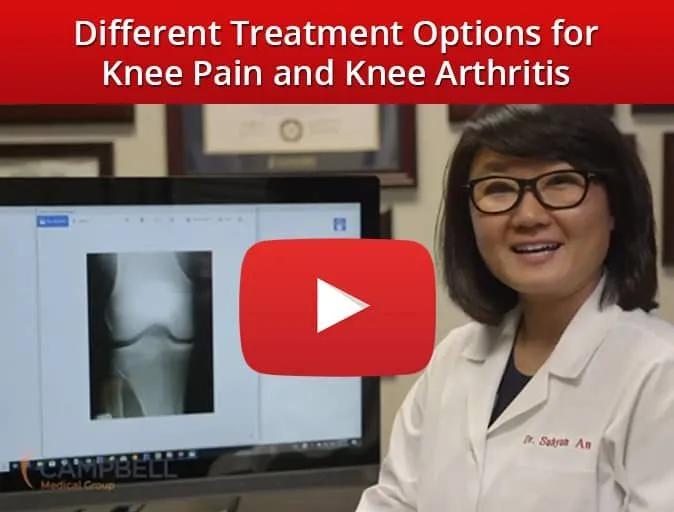
Campbell Health Center positions its regenerative services around patient-centered evaluation and a clear entry point for decision-making, aimed at translating evidence-based orthobiologic care into practical treatment plans for Houston patients. The center emphasizes a personalized three-step approach—comprehensive assessment, targeted regenerative selection, and integrated rehabilitation—to align therapy with each patient’s goals and anatomy. Campbell Health Center highlights independence from insurance-driven decision constraints, enabling clinicians and patients to prioritize individualized clinical judgment when choosing among non-surgical options. Team members explicitly associated with the regenerative medicine program include Dr. Suhyun An, DC, MSN, NP-C, and Jennifer Pena, who participate in assessment and care coordination for patients seeking non-surgical pain relief.
What Makes Campbell Health Center’s Approach to Chronic Pain Unique?
Campbell Health Center’s approach combines targeted orthobiologic options with a structured, patient-focused pathway that emphasizes root-cause assessment and tailored protocols rather than one-size-fits-all treatments. By integrating diagnostics, image-guided procedures, and rehabilitation planning as part of the same care continuum, the clinic seeks to optimize procedural effectiveness and functional recovery. Independence from insurance constraints allows clinicians to recommend personalized strategies based on clinical need and patient goals, and the team-based model supports coordinated follow-up and outcome tracking. This approach aims to increase transparency and empower patients to make informed choices about non-surgical pathways.
How Can You Schedule a $49 Consultation for Regenerative Medicine?
For prospective patients evaluating non-surgical options, Campbell Health Center offers a $49 consultation to review symptoms, imaging, and potential candidacy for regenerative therapies; this low-friction entry point helps convert education into a personalized plan. During the consultation, clinicians assess the history and imaging, discuss realistic outcomes for options like PRP, stem cell, or regenerative cellular tissue, and outline next steps including any recommended additional diagnostics or staged procedures. Patients in Houston can reference the center’s local presence at 1012 Campbell Rd, Houston, TX 77055 when planning a visit and request the consultation to understand cost estimates, procedural details, and rehabilitation pathways. This consultation is intended to make informed decision-making accessible while preserving an evidence-based, patient-first approach.
Campbell Health Center’s consultative offer complements the clinical information presented here by providing a practical, low-cost next step for patients who wish to explore regenerative therapies tailored to their condition.