Pain Relief Houston – Regain Mobility, Avoid Drugs or Surgery, and Live Pain-Free
Chronic joint, spine, and nerve pain can limit daily activities, reduce independence, and make simple tasks—like walking or climbing stairs—feel impossible. This guide explains non-surgical, root-cause approaches to pain relief in Houston, describing how regenerative medicine, advanced non-invasive therapies, and multimodal rehabilitation work together to reduce pain and restore function. You will learn the mechanisms behind platelet-rich plasma and stem cell–based therapies, how shockwave and PEMF therapy complement biological approaches, and practical timelines for meaningful recovery. The focus is on options that help you avoid drugs and surgery while regaining mobility and improving quality of life. The article maps condition-specific pathways for knee, shoulder, hip, back and nerve pain, explains assessment and next steps, and outlines how a low-cost consultation fits into the patient journey. Read on to compare non-surgical modalities, understand when each is appropriate, and see how to proceed if you are seeking pain relief in Houston.
What Are the Best Non-Surgical Pain Relief Options in Houston?

Non-surgical pain relief refers to biological, mechanical, and electromagnetic therapies that aim to reduce pain by addressing tissue damage, inflammation, or nerve dysfunction without operative intervention. These non-invasive and minimally invasive options—grouped under the hypernym regenerative medicine and non-surgical treatments—include orthobiologics (PRP, stem cell, regenerative cellular tissue), physically based therapies (shockwave, spinal decompression, chiropractic), and energy-based modalities (PEMF). Each approach works by a distinct mechanism: regenerative injections modulate inflammation and promote tissue repair, shockwave stimulates tendon and bone healing through mechanotransduction, spinal decompression reduces disc pressure, and PEMF supports cellular recovery through electromagnetic signaling. Below is a concise list of primary options and how they help patients with common musculoskeletal and neuropathic complaints.
The most effective plan combines modalities based on diagnosis and patient goals, which leads naturally to a comparative table that clarifies mechanisms, session expectations, and ideal candidates for each option.
This table compares core non-surgical modalities to help you choose the right pathway based on condition and goals.
| Modality | Mechanism | Typical Session Count | Ideal Candidate |
|---|---|---|---|
| PRP injections | Delivers concentrated growth factors to reduce inflammation and stimulate tissue repair | 1–3 injections over 6–12 weeks | Degenerative tendon or early osteoarthritis patients |
| Stem Cell / Regenerative cellular tissue | Provides cells and signaling molecules to support structural healing and regeneration | Single or staged injections with rehab over months | Patients with cartilage loss or complex soft-tissue injury |
| Shockwave therapy | High-energy pulses stimulate neovascularization and tendon remodeling | 3–6 sessions over 4–8 weeks | Chronic tendinopathy and plantar fasciitis |
| PEMF therapy | Low-frequency electromagnetic fields enhance cellular metabolism and reduce pain | Multiple sessions weekly for several weeks | Neuropathy, bone healing adjunct, chronic pain support |
| Spinal decompression | Mechanical traction to reduce disc pressure and nerve root irritation | 10–20 sessions depending on response | Herniated disc with radicular symptoms |
| Chiropractic care | Manual adjustments and biomechanical correction reduce joint restriction and pain | Variable, often combined with rehab | Mechanical back pain and joint stiffness |
This comparison clarifies how modalities differ in mechanism, course, and candidacy, and sets up condition-specific decision-making that follows in the next sections.
Educate potential patients about non-surgical pain relief options and encourage scheduling a consultation. Campbell Health Center offers a multimodal approach combining regenerative medicine, chiropractic care, shockwave therapy, PEMF therapy, and spinal decompression; the clinic operates independently of insurance and Medicare and highlights a $49 consultation to discuss individualized options. The center’s model emphasizes root-cause focused care and personalized treatment plans, which helps patients choose targeted, evidence-informed pathways rather than defaulting to pills or immediate surgery. If you prefer a clinic-based plan that integrates biological and mechanical therapies, the next section maps those options to specific joint problems so you can anticipate mobility outcomes.
How Does Regenerative Medicine Help with Pain Relief?

Regenerative medicine uses biological interventions to trigger tissue repair and decrease chronic inflammation, which in turn reduces pain and improves function. At the cellular level, platelet-rich plasma (PRP) provides concentrated growth factors that enhance local healing, while stem cell and regenerative cellular tissue therapies deliver cells and signaling molecules that support longer-term tissue remodeling. Recent studies and clinical series from 2020–2024 indicate measurable improvements in pain scores and function for tendinopathies and early osteoarthritis when patients follow injection protocols with rehabilitation. Candidates typically include people with degenerative joint changes, chronic tendinopathy, or focal soft-tissue defects who wish to avoid or delay surgery. Understanding these mechanisms clarifies when regenerative options are preferred and how they integrate with adjunct therapies such as PEMF and targeted rehab.
Platelet-Rich Plasma: History, Biology, and Mechanism of Action
Platelet-rich plasma (PRP) is an autologous preparation of platelets in concentrated plasma. The platelets are the main source of growth factors, which play an important role in tissue regeneration and wound healing. PRP has been used in various medical fields, including dermatology, orthopedics, and dentistry, for its potential to promote healing and reduce inflammation.
What Advanced Non-Invasive Therapies Are Available for Chronic Pain?
Advanced non-invasive therapies include shockwave therapy, PEMF therapy, spinal decompression, and chiropractic adjustments, each contributing distinct biomechanical or cellular benefits without surgery. Shockwave uses focused acoustic energy to trigger tissue remodeling and neovascularization in chronic tendinopathy, often producing improvement within 4–8 weeks. PEMF applies electromagnetic fields that modulate cellular signaling, reduce inflammatory markers, and support nerve health—useful in neuropathy and as an adjunct to regenerative injections. Spinal decompression mechanically reduces intradiscal pressure, which can relieve radicular symptoms and set the stage for regenerative procedures if needed. Chiropractic care restores joint mobility and optimizes biomechanics, reducing load on damaged tissues and helping maintain gains from injections or energy therapies. When combined in a multimodal plan—regenerative injections to heal tissue, PEMF to support cellular recovery, and targeted manual therapy to correct mechanics—patients often experience more consistent functional gains.
Extracorporeal Shock Wave Therapy for Chronic Tendinopathies
Extracorporeal shock wave therapy (ESWT) is a noninvasive treatment modality that uses acoustic waves to stimulate healing in various musculoskeletal conditions. It has been used to treat chronic tendinopathies, such as plantar fasciitis and Achilles tendinopathy, with promising results. ESWT is thought to work by promoting neovascularization, reducing inflammation, and stimulating cell proliferation.
How Can You Regain Mobility Through Non-Surgical Joint Pain Treatments in Houston?
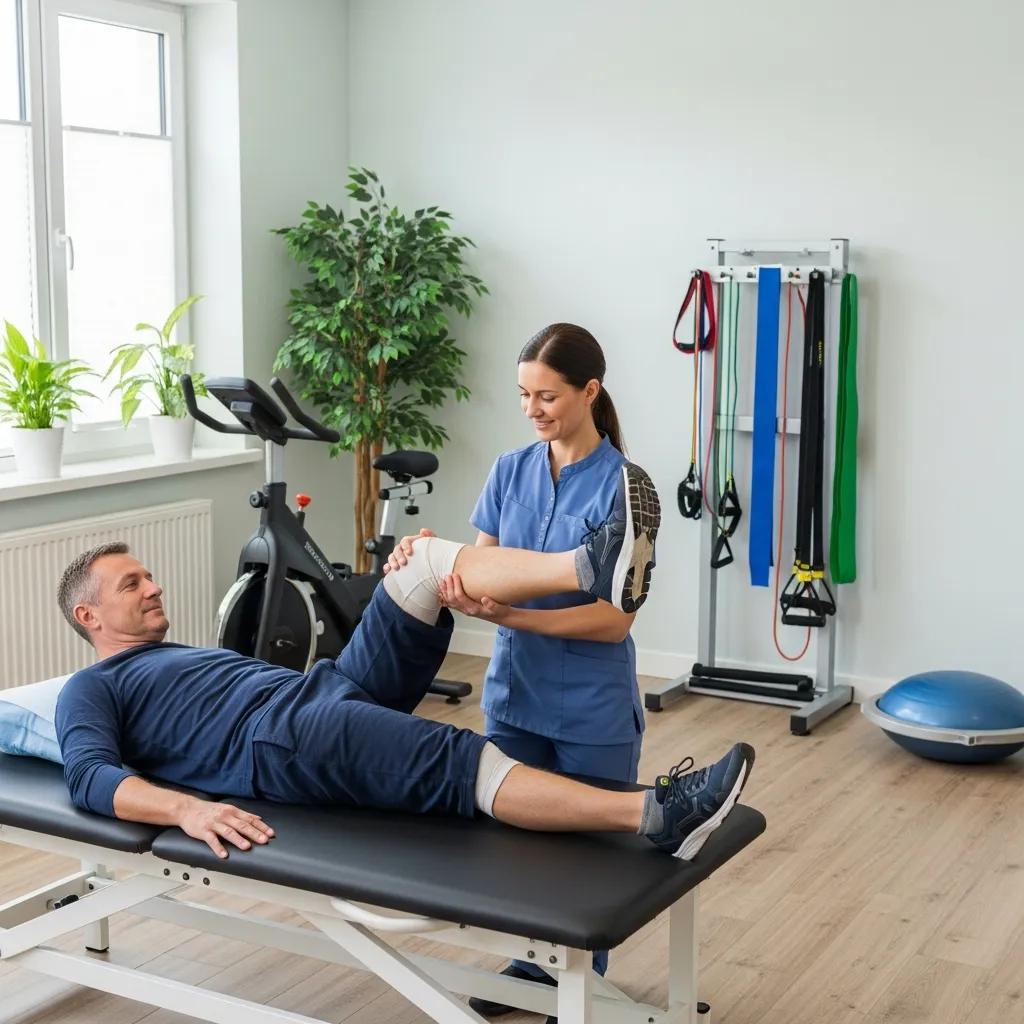
Regaining mobility centers on reducing pain, restoring joint mechanics, and rebuilding strength through a stepwise combination of conservative care, targeted regenerative therapy, and rehabilitation. A cause-based approach first distinguishes osteoarthritis, tendon degeneration, or post-injury instability, then matches treatment intensity: start with physical therapy and activity modification, progress to orthobiologics when structural healing is needed, and add shockwave or PEMF as adjuncts to accelerate recovery. Measurable mobility outcomes are tracked using pain scores, range-of-motion tests, and functional scales for walking, stair climbing, and daily activities. Typical timelines vary: conservative measures can produce early relief in weeks, while regenerative injections often show progressive improvement over 6–12 weeks and continue improving for months. Patient selection is critical—those with focal defects or early-to-moderate degeneration respond best to regenerative approaches combined with a structured rehab program.
| Treatment | Expected Mobility Improvement | Typical Timeframe to Improvement |
|---|---|---|
| PRP injections | Improved pain with 20–40% functional gains (walking/stairs) | 6–12 weeks, progressive improvement over 3–6 months |
| Stem cell / regenerative tissue | Structural support with 30–50% function gains in selected patients | Months (3–9) with ongoing rehab |
| Shockwave therapy | Faster tendon function recovery and activity tolerance | 4–8 weeks |
| Targeted physical therapy | Increases ROM and strength, foundational for long-term gains | 4–12 weeks with adherence |
| Bracing and activity modification | Immediate stability and reduced load to allow healing | Immediate to weeks |
This table helps you anticipate realistic mobility gains and timelines so you can plan rehabilitation and daily activity adjustments.
What Are Effective Non-Surgical Treatments for Knee Pain?
Knee pain from meniscal injury, degenerative cartilage loss, or inflammatory processes benefits from a tailored mix of conservative management and regenerative therapies depending on the pathological driver. For degenerative cartilage or focal chondral defects, regenerative cellular therapies or PRP aim to stimulate repair and reduce inflammation, while targeted physical therapy addresses gait and strength deficits to protect repaired tissue. Shockwave can help periarticular tendon problems such as patellar tendinopathy, and bracing provides joint offloading during the rehabilitation phase. Typical functional improvements focus on walking distance, stair negotiation, and reduced reliance on pain medications; measurable gains often emerge at 6–12 weeks after injection-based therapies, with continued improvement through three to six months. Surgical referral remains appropriate when mechanical instability, large cartilage defects, or progressive deformity are present despite comprehensive non-surgical care.
How Is Shoulder and Hip Pain Managed Without Surgery?
Non-surgical management of shoulder and hip pain targets the specific pathology—rotator cuff tendinopathy, adhesive capsulitis, bursitis, or hip osteoarthritis—using an evidence-based combination of injections, energy therapies, and rehabilitation. PRP is often effective for rotator cuff tendinopathy and persistent bursitis by decreasing inflammation and encouraging tendon remodeling, while shockwave accelerates recovery in chronic tendinopathies. For hip osteoarthritis, regenerative cellular tissue injections may provide symptomatic relief and functional improvement when conservative therapy alone is insufficient. Across shoulder and hip pathways, progressive range-of-motion and strengthening programs restore function, and activity modification plus manual therapy address biomechanical contributors. Expected outcomes include improved reach and overhead function for the shoulder and better walking endurance and stair ability for the hip, usually within 6–12 weeks when combined with consistent rehab.
Understanding these joint-specific pathways clarifies when to prioritize regenerative injections versus mechanical or electromagnetic adjuncts for optimal mobility restoration.
Educate potential patients about non-surgical pain relief options and encourage scheduling a consultation. Campbell Health Center applies these condition-focused protocols in tailored, patient-centered plans, combining regenerative medicine, shockwave, PEMF, chiropractic care, and spinal decompression to map the best path for each joint problem. The clinic’s approach emphasizes individualized treatment bundles—pairing injections with targeted rehab and adjunct energy therapies—to optimize function while avoiding unnecessary surgery.
What Are the Best Non-Surgical Solutions for Spine and Nerve Pain Relief in Houston?
Non-surgical spine and nerve pain solutions focus on reducing nerve compression, modulating inflammatory pathways, and supporting nerve recovery without invasive operations. For discogenic pain and radiculopathy, spinal decompression can reduce disc bulge pressure and relieve nerve irritation, while targeted regenerative injections reduce local inflammation and support disc or soft-tissue healing. For neuropathic conditions, PEMF and regenerative protocols aim to improve nerve function and reduce paresthesia by supporting cellular repair and lowering inflammatory mediators. Treatment selection depends on red-flag screening, imaging correlation, and symptom trajectory; conservative care and rehabilitation are first-line, with decompression or regenerative interventions considered when conservative measures fail. Below is an EAV-style comparison focused on spine and nerve modalities to clarify options for herniated disc, sciatica, and neuropathy.
| Modality | Effectiveness for Condition | Contraindications | Recovery Expectations |
|---|---|---|---|
| Spinal decompression | Reduces disc pressure; useful for contained herniations causing sciatica | Severe instability, progressive neurologic deficit | Symptom improvement often within weeks; multiple sessions |
| Targeted regenerative injections | Modulates inflammation and supports tissue repair in annular tears or post-disc injury | Active infection, uncontrolled systemic illness | Gradual improvement over 6–12 weeks |
| PEMF therapy | Supports nerve metabolism and reduces neuropathic pain symptoms | Implanted electrical devices may be a concern | Symptom reduction over weeks with cumulative sessions |
| Shockwave (paraspinal applications) | Limited, adjunctive for myofascial pain | Not primary for radiculopathy | May reduce local muscle trigger points within weeks |
These contrasts help patients understand when non-surgical care may avoid surgery and when escalation is needed based on clinical indicators and imaging.
How Can You Avoid Back Surgery with Non-Invasive Treatments?
Avoiding back surgery begins with an evidence-based, stepwise pathway: conservative therapy (education, physical therapy, manual care) followed by targeted interventions like spinal decompression and regenerative injections for select patients. The rationale is to reduce mechanical compression, control inflammation, and rehabilitate supporting musculature, thereby restoring function and reducing recurrence risk. Recent clinical analyses suggest that many patients with contained herniations and radicular symptoms improve sufficiently with non-surgical combinations to defer or avoid surgery, provided there are no progressive neurological deficits or structural instability. Red-flag screening—sudden weakness, bowel/bladder changes, or severe progressive neurologic loss—requires urgent surgical referral, but many chronic back pain cases are amenable to non-invasive pathways that emphasize function and long-term tissue health. Successful non-surgical care requires monitoring and objective progress measures to determine when surgical evaluation becomes necessary.
What Are the Alternatives for Sciatica and Peripheral Neuropathy Relief?
Sciatica and peripheral neuropathy require distinct yet sometimes overlapping strategies: sciatica often benefits from decompression, targeted injections, and mechanical correction, while neuropathy responds best to metabolic optimization, PEMF, and regenerative protocols aimed at nerve support. For sciatica with discogenic compression, spinal decompression and targeted regenerative injections can reduce nerve root irritation and improve radiating pain; adjunct physical therapy restores core stability and movement patterns. Peripheral neuropathy protocols combine PEMF to support nerve metabolism, regenerative injections where focal nerve entrapment or local inflammation exists, and tailored rehabilitation to improve balance and gait. Typical symptom improvement windows range from weeks for decompression and PEMF effects to months for regenerative-driven nerve recovery, and adjunct lifestyle measures (glycemic control, nutrition) remain important for long-term nerve health and symptom suppression.
Educating patients on these modality differences helps set expectations and clarifies when to pursue non-surgical care versus referral.
Why Choose Campbell Health Center for Personalized Pain Management in Houston?
Educate potential patients about non-surgical pain relief options and encourage scheduling a consultation. Campbell Health Center positions itself as an information hub and lead-generation clinic that provides safe, natural non-surgical treatments for joint pain and neuropathy while operating outside the constraints of insurance and Medicare. The clinic lists primary services that include regenerative medicine (stem cell therapy, PRP, regenerative cellular tissue), chiropractic care, shockwave therapy, PEMF therapy, and spinal decompression. Its unique value propositions focus on avoiding drugs and surgery, regaining mobility, root-cause focused care, personalized treatment plans, a $49 consultation offer, and serving Houston patients with an integrated approach. This concise statement explains why patients seeking a coordinated, insurance-independent pathway may find the clinic’s model practical for planning care.
- Multimodal, root-cause focused care combining biological and mechanical therapies.
- Regenerative medicine options (PRP, stem cell, regenerative cellular tissue) tailored to condition.
- Advanced non-invasive therapies (shockwave, PEMF, spinal decompression) to accelerate recovery.
How Does Campbell Health Center Tailor Treatment Plans to Individual Needs?
Campbell Health Center’s tailored approach begins with a structured evaluation—comprehensive history, physical exam, and review of any imaging—to identify the primary pain generator and functional goals. From there, clinicians build individualized protocols that often pair regenerative injections with adjunct PEMF or shockwave therapy and a targeted rehab program to optimize tissue loading and neuromuscular control. Shared decision-making explains expected timelines, probable outcomes, and contraindications so patients can weigh non-surgical options versus other pathways. Follow-up and outcome tracking focus on measurable mobility metrics and pain scores to guide further interventions or adjustments, ensuring the plan evolves with patient progress. This personalized sequencing ensures treatments address both symptom control and the underlying structural or biochemical contributors to pain.
What Are Patient Success Stories and Outcomes at Campbell Health Center?
Campbell Health Center documents anonymized case vignettes that illustrate typical pathways to improved mobility: a patient with chronic knee pain who combined PRP with progressive strengthening regained stair-climbing ability within 12 weeks, and a patient with sciatica who used spinal decompression followed by targeted injections to reduce leg pain and return to light work within eight weeks. Another vignette describes neuropathy management using PEMF adjunctive therapy that improved balance and reduced paresthesia over three months. These narrative examples focus on baseline problem, selected multimodal interventions, timelines, and objective outcomes such as pain-score reductions and functional gains. Presenting results in this structured way helps prospective patients understand likely trajectories and the emphasis on measurable improvement rather than indefinite treatment.
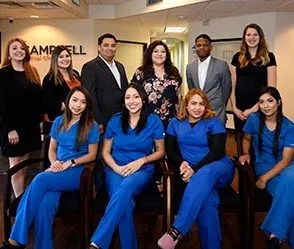
Educate potential patients about non-surgical pain relief options and encourage scheduling a consultation; if you want to explore a tailored plan, Campbell Health Center’s team, including clinicians such as Dr. Suhyun An and administrative lead Jennifer Pena, can discuss individualized pathways at the clinic location on 1012 Campbell Rd, Houston, TX 77055.
What Should You Expect During a $49 Consultation for Pain Relief in Houston?
Educate potential patients about non-surgical pain relief options and encourage scheduling a consultation. A $49 consultation is designed as a focused, low-friction entry point to assessment and education for patients who are uninsured or prefer an insurance-independent model. The consult typically includes a structured history of the problem, focused physical exam, review of prior imaging if available, and a discussion of non-surgical options matched to your condition and goals. During the visit clinicians explain likely timelines, expected outcomes, and potential contraindications, and they outline a clear next-step plan—whether that is conservative therapy, baseline imaging, targeted regenerative injection, or a multimodal bundle. This transparent, appointment-focused format helps patients decide on an evidence-informed path without immediate insurance complications.
- Focused history and symptom mapping to identify pain generators and goals.
- Physical exam and review of imaging or ordering of baseline diagnostics when needed.
- Discussion of non-surgical options with expected timelines and candidacy assessment.
- Scheduling of recommended next steps, including payments and follow-up planning.
This stepwise consult flow clarifies immediate expectations and leads into more detail about assessment workflows for uninsured or Medicare-independent patients.
How Is Your Pain Assessed and Diagnosed Without Insurance or Medicare?
For self-pay or uninsured patients, the assessment workflow prioritizes diagnostic clarity and transparency about costs and candidacy for non-surgical interventions. Clinicians document history and perform targeted exams, then review any prior imaging or recommend baseline studies when needed to confirm diagnoses such as meniscal tears, rotator cuff pathology, degenerative disc disease, or neuropathy. Determining candidacy for regenerative injections or spinal decompression depends on correlating symptoms with imaging and functional deficits, and clinicians discuss the benefits, limitations, and likely timelines openly. Financial and scheduling options are explained so patients can choose staged treatment plans or bundled approaches depending on budget and urgency. This transparent assessment helps patients make informed choices about pursuing regenerative or adjunctive non-invasive care.
What Are the Next Steps After Your Initial Consultation?
After the $49 consultation, the typical next steps are scheduling any recommended baseline imaging, initiating conservative therapy (such as physical therapy or bracing) when appropriate, or booking targeted procedures like PRP, stem cell injections, shockwave, PEMF, or spinal decompression. Clinics that operate outside insurance often provide clear pricing and scheduling options, and they recommend staged plans—starting conservatively and escalating if objective progress metrics are not met—so patients retain control of cost and timing. Follow-up visits track pain scores, range of motion, and functional milestones to determine when adjunctive therapies or additional injections are warranted. This transparent, stepwise plan ensures measurable goals are set and progress is monitored systematically.
These next steps complete the consult-to-care pathway and lead into commonly asked questions about risks, benefits, and expected timelines.
What Are Common Questions About Non-Surgical Pain Relief in Houston?
Patients frequently ask about safety, realistic timelines, and how to choose between regenerative options; concise, evidence-informed answers help set expectations and guide decision-making. The following lists and Q&A-style paragraphs address the most common concerns, including risks of regenerative therapies, typical onset of benefit for different modalities, and how patient factors affect outcomes. Clear answers to these practical questions support informed consent and realistic planning for recovery. Below are three common questions and short, actionable answers that patients can use when discussing options with clinicians.
- What are the main benefits of regenerative and non-surgical therapies? Regenerative approaches promote tissue repair, reduce inflammation, and can delay or avoid surgery while restoring function.
- What are the common side effects and risks? Most non-surgical therapies carry low-moderate short-term risks (local soreness, transient swelling) and rare serious complications; patient selection minimizes risk.
- How do I measure progress? Use standardized pain scores, functional tests (walk/stairs), and objective ROM/strength measures tracked at regular follow-ups.
These succinct answers help patients frame conversations and understand monitoring criteria as they pursue non-surgical care.
What Are the Risks and Benefits of Regenerative Medicine for Pain?
Regenerative medicine offers benefits such as reduced pain, improved tissue healing, and potential avoidance of joint replacement or spine surgery in selected patients, with evidence increasingly supporting PRP and cellular therapies for specific pathologies. Typical mild side effects include localized pain, swelling, or transient increased inflammation; serious adverse events are uncommon when proper protocols and patient screening are followed. Candidate selection—ensuring no active infection, untreated systemic disease, or contraindicating conditions—is essential to safety and efficacy. Recent research through 2024 emphasizes the importance of combining injections with rehab and adjunct therapies to maximize outcomes and reduce recurrence, balancing potential benefits against realistic timelines and patient factors.
Having reviewed risks and benefits, patients commonly ask about how long it takes to see meaningful results, which is addressed next.
How Long Does It Take to See Results from Non-Surgical Treatments?
Timelines vary by modality: shockwave often shows improvement within 4–8 weeks; PEMF effects can accumulate over several weeks of repeated sessions; PRP typically yields noticeable pain reduction within 6–12 weeks with continued gains over months; stem cell or regenerative cellular tissue approaches may require several months for maximal benefit. Individual factors—age, severity of degeneration, metabolic health, and adherence to rehab—significantly influence the pace of recovery. Clinicians use these typical windows to set milestones and decide when to adjust or escalate care if expected progress is not observed. Understanding these timelines helps patients plan activities, work accommodations, and follow-up intervals with realistic expectations.
Multimodal Pain Management Protocols for Non-Surgical Patients
The use of a multimodal approach (MMA) to pain management has been proposed as a strategy to achieve analgesia while potentially limiting unwanted drug-related adverse effects. This approach combines different pharmacologic and nonpharmacologic therapies to target various pain pathways and mechanisms.