Joint Pain Houston: Natural Healing Options Without Drugs or Surgery
Joint pain affects millions of people and can range from occasional stiffness to chronic, function-limiting discomfort that interferes with work, sleep, and daily activities. This article explains evidence-informed, non-surgical approaches to chronic or acute joint pain in Houston, focusing on regenerative medicine and complementary, drug-free therapies that promote tissue repair and functional recovery. You will learn what commonly causes joint pain, how inflammation and cartilage degeneration reduce mobility, and why regenerative approaches such as Platelet-Rich Plasma (PRP), stem cell therapy, and Regenerative Cellular Tissue can be viable alternatives to long-term medication or immediate surgery. The guide also covers adjunctive options—chiropractic care, shockwave therapy, PEMF therapy, spinal decompression, and joint fluid therapy—that support healing and accelerate return to activity. Finally, practical next steps describe how to evaluate candidacy and begin a personalized care plan, including the $49 consultation and the personalized 3-step healing approach (consultation/evaluation, custom healing plan, regain freedom), so you can decide whether a natural, non-invasive path is right for you.
What Causes Joint Pain and How Does It Affect Daily Life?
Joint pain is a symptom resulting from structural, inflammatory, or neurologic changes in and around a joint; the underlying mechanisms include cartilage breakdown, synovial inflammation, tendon or ligament injury, and nerve irritation. These processes create pain by activating nociceptors, generating inflammatory mediators, and altering joint biomechanics, which reduces range of motion and stability. Understanding these mechanisms helps patients see why treatments that modulate inflammation and support tissue repair may reduce pain and restore function. The following list outlines common pathologies that lead to joint pain and clarifies which component of the joint each one primarily affects.
- Osteoarthritis: cartilage degeneration that leads to bone-on-bone stress and pain.
- Tendinitis and bursitis: soft tissue inflammation around the joint causing localized pain and swelling.
- Traumatic injury: ligament tears, meniscal damage, or fractures that destabilize joint mechanics.
- Neuropathic contributors: nerve irritation or compression that refers pain to a joint region.
These common causes explain why a tailored assessment—combining history, physical exam, and diagnostic testing—matters for selecting targeted, non-surgical treatments that aim to reduce inflammation, promote tissue repair, and improve daily function.
What Are the Common Types of Joint Pain in Houston?
Knee, shoulder, hip, ankle, and spinal facet or disc-related pain are among the most frequently encountered joint problems in Houston clinics, each with distinct patterns and triggers. Knee osteoarthritis and meniscal or cartilage injuries often present with activity-related pain, stiffness after rest, and difficulty with stairs or squatting. Shoulder pain frequently stems from rotator cuff tendinopathy or bursitis, producing pain with overhead movement and sleep disturbance. Hip osteoarthritis and trochanteric bursitis typically reduce walking tolerance and can limit driving or prolonged standing. These conditions are prevalent across age groups: degenerative joint disease is more common in older adults, while tendinopathies and traumatic injuries affect active and younger patients, which guides selection of regenerative versus rehabilitative strategies.
How Does Joint Pain Impact Mobility and Quality of Life?
Chronic joint pain restricts mobility by limiting range of motion, reducing gait speed, and prompting protective movement patterns that transfer stress to other joints, often causing secondary problems. This loss of function can impair sleep, increase the risk of mood disorders, and reduce participation in work, family, and recreational activities, with measurable impacts on productivity and healthcare utilization. Patients often report difficulty with tasks like climbing stairs, carrying groceries, or sleeping comfortably, which cumulatively degrade quality of life. Addressing pain through approaches that restore tissue function and movement mechanics can therefore produce meaningful gains in independence, sleep quality, and emotional well-being while decreasing the long-term reliance on medications.
Why Choose Non-Surgical Joint Pain Relief in Houston?
Non-surgical joint pain relief focuses on reducing inflammation, supporting tissue regeneration, and restoring biomechanics while minimizing procedural risk and downtime compared with surgery. Surgery carries risks including infection, anesthesia complications, and prolonged rehabilitation, and some patients experience persistent pain even after an operative procedure; long-term medication strategies such as chronic NSAID use also carry gastrointestinal, renal, and cardiovascular risks. In contrast, regenerative and natural healing approaches aim to address underlying tissue deficits—through growth factors, cellular modulation, or viscosupplementation—often requiring less recovery time and enabling earlier return to activity. These advantages make non-surgical options an appropriate initial strategy for many patients seeking to avoid or delay joint replacement or chronic analgesic dependence.
- Fewer procedural risks: Minimally invasive injections or device-based therapies reduce infection and systemic complication likelihood.
- Shorter recovery: Many regenerative or adjunctive treatments permit quicker functional progression than major surgery.
- Targeted biology: Therapies can modulate inflammation and support tissue repair rather than only masking symptoms.
Choosing a non-surgical pathway requires careful patient selection and realistic expectations; current research shows many patients experience meaningful symptom relief and function improvement with regenerative strategies, particularly when combined with rehabilitation and adjunctive care. For readers considering a clinic, Campbell Health Center emphasizes a natural, regenerative focus and a personalized approach—details on how their model differs appear below after we review available therapies.
What Regenerative Medicine Therapies Does Campbell Health Center Offer for Joint Pain?
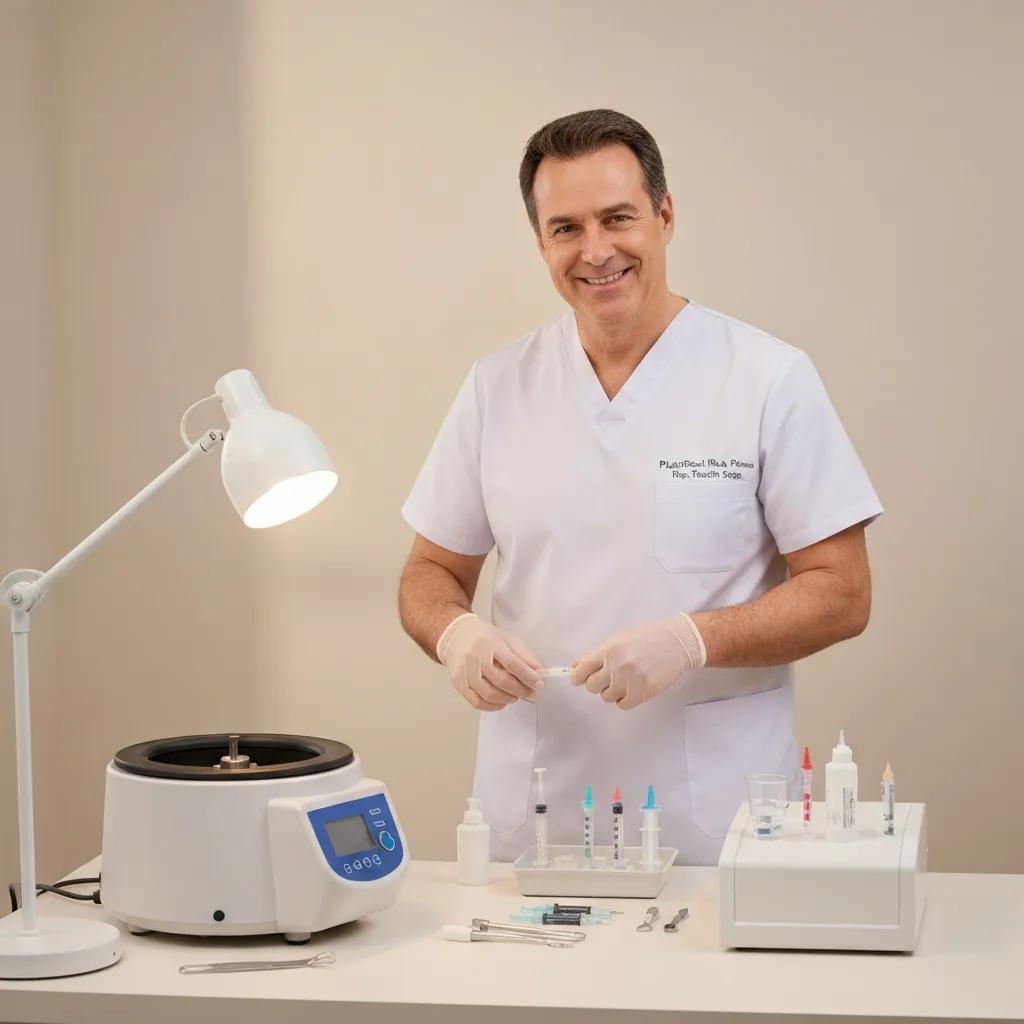
Regenerative medicine includes biologic therapies that use the body’s own healing signals or cellular components to reduce inflammation and support tissue repair; at Campbell Health Center these offerings are adapted to joint-specific needs and patient goals. The clinic’s primary regenerative modalities for joint pain include Platelet-Rich Plasma (PRP) Therapy, Stem Cell Therapy, and Regenerative Cellular Tissue therapy, each selected based on the condition, imaging, and functional goals. These therapies aim to modulate local inflammation, provide trophic support, and stimulate resident repair processes, making them suitable for early to moderate degenerative changes, chronic tendinopathies, and some post-injury scenarios. Below are focused descriptions of how each therapy works, typical indications, and expected timelines to improvement.
How Does Platelet-Rich Plasma Therapy Work for Joint Pain Relief?
Platelet-Rich Plasma (PRP) harnesses concentrated platelets from a patient’s own blood to deliver growth factors and cytokines that modulate inflammation and encourage tissue repair. The process begins with a blood draw, followed by centrifugation to concentrate platelets and then ultrasound-guided injection into the affected joint or tendon; this targeted delivery increases local growth factor activity where repair is needed. Typical indications include early osteoarthritis, meniscal or cartilage-related knee pain, and chronic tendinopathies of the shoulder or elbow. Patients often report gradual improvement over weeks to months, with many treatment plans involving one to three injections depending on severity and response.
Research indicates that while PRP shows promise for treating knee osteoarthritis, a standardized approach to dosing is still lacking.
PRP and Regenerative Strategies for Osteoarthritis Knee Treatment
Osteoarthritis (OA) is a leading cause of severe long-term pain and disability affecting approximately 10% of the global population1. Regenerative solutions and new tissue- engineering based strategies are promising for treatment of moderate OA2,3. The research for treatment of knee OA with PRP is promising4,5,6, however there is a lack of consensus regarding the preparation of standardized dosing with an appropriate absolute number of platelets and concentration.
Platelet-rich plasma (PRP) in osteoarthritis (OA) knee: correct dose critical for long term clinical efficacy, H Bansal, 2021
What Are the Benefits of Stem Cell Therapy for Arthritis and Joint Repair?
Stem cell therapy uses cells with regenerative potential—often mesenchymal stromal cells—to modulate inflammation and provide cellular signaling that supports tissue maintenance and repair in damaged joints. At Campbell Health Center, stem cell treatments are described as part of the regenerative toolkit for patients who may benefit from cellular modulation rather than immediate surgery; these options are selected after evaluation of imaging and symptoms. Benefits can include reduced pain, improved joint function, and potential support for cartilage health, though outcomes vary based on disease stage and patient factors. Recovery timelines are individualized; many patients observe early symptom relief followed by progressive functional gains over several months.
What Makes Regenerative Cellular Tissue Therapy Unique and Effective?
Regenerative Cellular Tissue Therapy combines biologically active components designed to provide a scaffold of signaling molecules and matrix elements that support local tissue repair distinct from PRP or isolated stem cell injections. This therapy is positioned for cases where a richer biological milieu may be advantageous—such as moderate degenerative changes or complex soft-tissue injuries—by offering a composite of regenerative signals that act on inflammation, cell recruitment, and matrix remodeling. Patients selected for this therapy typically undergo a tailored protocol that integrates imaging-guided delivery and adjunctive rehabilitation. Expected outcomes include gradual pain reduction and improved joint function over 8–16 weeks, though individual recovery varies and candidacy is determined during evaluation.
Different regenerative options work through complementary biological mechanisms and suit different clinical scenarios; the table below compares PRP, Stem Cell, and Regenerative Cellular Tissue therapies to clarify indications and typical timelines.
| Therapy | Procedure Type | Primary Mechanism | Typical Conditions Treated | Expected Timeline |
|---|---|---|---|---|
| Platelet-Rich Plasma (PRP) | Autologous blood-derived injection | Growth factor release, inflammation modulation | Early osteoarthritis, tendinopathy, cartilage injuries | 4–12 weeks for improvement; 1–3 sessions |
| Stem Cell Therapy | Autologous/allogeneic cellular modulation | Mesenchymal stromal cell signaling, trophic support | Moderate OA, joint degeneration, complex soft-tissue injury | 8–16 weeks to observe functional gains |
| Regenerative Cellular Tissue Therapy | Composite biologic matrix injection | Matrix signaling, cell recruitment, scaffold support | Degenerative cartilage defects, chronic tendon injuries | 8–16+ weeks; may require combined rehab |
Which Complementary Non-Surgical Treatments Support Joint Pain Healing?

Adjunctive, non-surgical treatments enhance the effects of regenerative medicine by improving biomechanics, modulating pain pathways, or stimulating tissue repair; these complementary options often form part of a comprehensive, non-invasive recovery plan. Campbell Health Center offers chiropractic care, shockwave therapy, PEMF therapy, spinal decompression, and joint fluid therapy (viscosupplementation) as supportive modalities that can be combined with regenerative injections when clinically appropriate. Each modality contributes a specific mechanism—mechanical alignment, mechanotransduction, electromagnetic cellular stimulation, decompression of nerve tissues, or restoration of synovial lubrication—that supports healing and function. The list below summarizes when each adjunctive therapy is most beneficial and how many sessions or what duration patients typically expect.
- Chiropractic care: Improves joint alignment and functional movement patterns; commonly used with rehabilitation protocols over several weeks.
- Shockwave therapy: Applies focused energy waves to stimulate soft-tissue repair in chronic tendinopathies; typical course is multiple sessions over 4–8 weeks.
- PEMF therapy: Uses pulsed electromagnetic fields to modulate cellular activity and reduce pain; sessions are non-invasive and repeated based on symptom response.
- Spinal decompression: Targets discogenic back pain and nerve compression to reduce radicular symptoms; treatment plans commonly span multiple visits with progressive improvements.
- Joint fluid therapy (viscosupplementation): Restores synovial lubrication to reduce pain and improve glide in osteoarthritic joints; protocol varies by product and joint severity.
These adjunctive treatments are often combined in multimodal protocols to address both biological repair and mechanical function, which improves long-term outcomes and decreases the likelihood of symptom recurrence when paired with appropriate rehab.
| Treatment | Modality | How It Works | Best For (Conditions) | Typical Session Count/Duration |
|---|---|---|---|---|
| Chiropractic Care | Manual and instrument-assisted adjustments | Restores joint alignment and mechanics | Spinal and peripheral joint dysfunction, compensatory pain | 4–12 sessions depending on goals |
| Shockwave Therapy | Focused acoustic energy | Stimulates mechanotransduction and tissue repair | Chronic tendinopathy, soft-tissue injuries | 3–6 sessions over 4–8 weeks |
| PEMF Therapy | Pulsed electromagnetic fields | Modulates cellular signaling and reduces pain | Post-procedure recovery, chronic pain modulation | Multiple short sessions, repeated weekly |
| Spinal Decompression | Mechanical traction | Reduces disc pressure and nerve irritation | Discogenic low back pain, radicular symptoms | Series of sessions (commonly 20) tailored per patient |
| Joint Fluid Therapy | Viscosupplementation injection | Restores synovial viscoelasticity and lubrication | Knee osteoarthritis, joint stiffness | Single or series of injections depending on product |
How Can Patients Start Their Journey to Pain-Free Living at Campbell Health Center?
Starting care requires a clear evaluation and an individualized plan that aligns with the patient’s goals, imaging findings, and functional status; Campbell Health Center offers an introductory $49 consultation aimed at clarifying diagnosis and discussing non-surgical options. During the initial visit, clinicians review medical history, perform a focused physical exam, and evaluate prior imaging or order diagnostic testing if needed to determine candidacy for regenerative or adjunctive therapies. The clinic uses a patient-centered pathway—called the personalized 3-step healing approach (consultation/evaluation, custom healing plan, regain freedom)—to guide care from assessment through treatment and functional recovery. Below is a concise EAV-style summary of the consultation and next steps to set expectations and simplify booking decisions.
The table below summarizes the $49 consultation and typical follow-up steps so patients can understand what the evaluation includes and what to expect next.
| Service | What’s Included | Cost Indicator | Who Is a Candidate | Booking/Next Steps |
|---|---|---|---|---|
| $49 Consultation | Symptom review, focused physical exam, treatment discussion | $49 introductory fee | Patients with joint pain considering non-surgical care | Schedule to assess candidacy and plan next diagnostics |
| Diagnostic Testing (if needed) | Imaging review and targeted tests | Cost variable, discussed during consult | Patients needing clarification of structural issues | Ordered after consult to refine treatment choice |
| Personalized 3-Step Healing Plan | Tailored combination of regenerative + adjunctive therapies | Treatment costs vary by plan | Patients committed to non-surgical recovery pathway | Follow-up scheduling and informed consent process |
What Is Included in the $49 Consultation for Joint Pain Evaluation?
The $49 consultation covers a comprehensive initial evaluation designed to identify pain drivers and outline non-surgical treatment options; it includes a symptom and medical history review, a focused musculoskeletal exam, and discussion of prior imaging or recommendations for additional diagnostics. Clinicians use this visit to explain applicable regenerative and adjunctive therapies, estimate potential timelines for improvement, and answer patient questions about risks, benefits, and candidacy. Typical consultations are structured to deliver clear next steps—whether that is immediate treatment scheduling, ordering diagnostic imaging, or referral to adjunctive rehabilitation—so patients leave with a defined plan. This low-cost entry point reduces friction for those seeking alternatives to long-term medication or surgery and helps match expectations to likely outcomes.
How Does the Personalized 3-Step Healing Plan Work?
The personalized 3-step healing approach (consultation/evaluation, custom healing plan, regain freedom) begins with a detailed assessment that establishes goals and documents functional limitations, then proceeds to a customized treatment plan combining regenerative injections and complementary therapies tailored to tissue pathology. Step 2 implements the selected regenerative and adjunctive modalities—such as PRP, stem cell options, shockwave, chiropractic care, or viscosupplementation—alongside a rehabilitation program to restore strength and movement patterns. Step 3 emphasizes functional milestones, ongoing monitoring, and adjustments to therapy to optimize recovery and reduce recurrence risk, with timelines individualized but typically spanning weeks to several months for most patients. This structured pathway helps patients track progress and return to meaningful activity while minimizing unnecessary procedures.
If you decide to pursue evaluation or treatment, Campbell Health Center schedules consultations and follow-up visits to align care with individual needs; the clinic operates independently of insurance and Medicare decisions to prioritize patient-centered treatment plans focused on natural, regenerative options.
What Do Houston Patients Say About Their Natural Joint Pain Treatments?
Patient experiences reflect a range of outcomes, but many report decreased pain, improved mobility, and faster return to activity after combined regenerative and adjunctive care when matched to the right candidacy profile. Short case summaries commonly describe initial functional limitations, selection of a targeted regenerative therapy plus supportive modalities, and progressive improvement in pain scores and daily function over weeks to months. These real-world outcomes underscore the importance of proper assessment and multimodal care—regenerative injections alone are often more effective when paired with movement-based rehabilitation and adjunctive treatments that address biomechanics. The final list below captures typical patient-reported benefits and considerations that prospective patients should weigh when choosing a non-surgical path.
- Pain Reduction: Many patients see gradual but meaningful decreases in baseline pain within weeks of therapy.
- Functional Gains: Improvements in walking distance, stair-climbing, and sleep quality are common outcomes.
- Reduced Medication Dependence: Successful regenerative care often decreases reliance on chronic pain medications.
These themes reflect typical patient journeys: careful evaluation, selection of appropriate regenerative and adjunctive treatments, and monitored rehabilitation to regain function and minimize recurrence. For patients seeking a next step, Campbell Health Center highlights the $49 consultation as a practical way to begin; scheduling options and detailed cost discussions occur during that evaluative visit.
Which Success Stories Highlight Effective Non-Surgical Joint Pain Relief?
Representative success stories include a middle-aged patient with knee osteoarthritis who combined PRP injections with structured physical therapy and reported reduced pain and improved stair tolerance within three months, and a shoulder tendinopathy case treated with shockwave plus PRP that restored overhead function over eight weeks. These anonymized examples illustrate that combining biologic injections with mechanical and rehabilitative strategies often achieves better long-term outcomes than a single modality alone. Patients commonly note that improvements are progressive rather than immediate, and measurable gains in activity and sleep are important markers of success. Sharing these scenarios helps prospective patients set realistic expectations for timelines and rehabilitation commitments required to maximize benefits.
What Are Common Patient Questions About Treatment Costs and Recovery?
Patients frequently ask about pricing, recovery timelines, and insurance coverage; Campbell Health Center operates on a cash-pay model independent of insurance and Medicare, and specific treatment pricing is provided during the consultation after diagnostics clarify combined therapy needs. Typical recovery timelines vary by condition and therapy: tendinopathies may improve within 4–8 weeks with adjunct care, while degenerative cartilage issues often require 8–16 weeks to notice functional change. Common practical points include expected number of sessions, temporary activity restrictions after injections, and the importance of rehabilitation to secure durable gains; the clinic recommends discussing payment options and staged treatment plans during the $49 consultation to determine the best, individualized approach.
- Contact Campbell Health Center at (832) 648-4204 or (832) 979-6732 to schedule the $49 consultation and begin a structured, non-surgical path to joint pain relief.
- Address: 1012 Campbell Rd Houston, TX 77055 (clinic location for in-person evaluations).