How Platelet Rich Plasma Works: Houston Patients Turn to PRP Therapy for Faster Healing and Non-Surgical Pain Relief
Platelet Rich Plasma (PRP) is an autologous therapy that concentrates a patient’s own platelets to speed tissue repair, reduce inflammation, and provide non-surgical pain relief. Readers will learn how PRP works at the cellular level, which conditions it treats, what to expect during the PRP treatment process, recovery timelines, and practical evidence-based benefits for Houston patients seeking alternatives to drugs and surgery. Many people with chronic joint or tendon pain want options that promote the body’s natural healing rather than temporarily masking symptoms; PRP leverages concentrated platelets from your own blood to deliver growth factors that recruit reparative cells and stimulate tissue regeneration. This article explains key growth factors such as PDGF, TGF-β, and VEGF, outlines clinical indications like knee osteoarthritis and tendon injuries, and walks through a step-by-step PRP treatment process including the role of ultrasound guidance in accurate injections. After the clinical overview, you’ll see how Campbell Health Center integrates PRP into personalized care plans and the practical next step to explore treatment—Campbell Health Center currently offers a $49 consultation to discuss PRP therapy and personalized options for non-surgical pain relief in Houston.
What Is Platelet Rich Plasma Therapy and How Does It Promote Natural Healing?
Platelet Rich Plasma therapy is a regenerative medicine technique that uses a sample of a patient’s own blood, concentrates platelets and growth factors, and injects that concentrate into injured tissues to stimulate repair and reduce inflammation. The mechanism centers on platelets releasing platelet-derived growth factor (PDGF), transforming growth factor beta (TGF-β), and vascular endothelial growth factor (VEGF, which together recruit stem and progenitor cells, enhance angiogenesis, and modulate inflammatory signaling for tissue remodeling. PRP is autologous blood therapy, meaning it uses your body’s own components and therefore minimizes immune rejection and systemic side effects while focusing healing at the injury site. Understanding these components clarifies why PRP is considered an orthobiologic—an intervention that harnesses biological processes for orthopedic and soft-tissue repair—and prepares us to review specific component functions in the table below.
PRP components and their clinical roles are summarized in the table to follow for clarity and quick reference so readers can see each part’s purpose in the healing cascade. The table highlights platelets, plasma, and major growth factors and links each to a simple functional description so patients can understand how concentrated platelets from your own blood become an active stimulus for repair.
| Component | Primary Function | Clinical Role |
|---|---|---|
| Platelets | Contain and release growth factors upon activation | Initiate repair, signal cell proliferation and migration |
| Plasma | Liquid carrier with proteins and nutrients | Provides scaffold and medium for cellular activity |
| PDGF (platelet-derived growth factor) | Stimulates cell proliferation and chemotaxis | Encourages fibroblast and mesenchymal cell growth |
| TGF-β (transforming growth factor beta) | Regulates matrix synthesis and differentiation | Guides tissue remodeling and scar modulation |
| VEGF (vascular endothelial growth factor) | Promotes new blood vessel formation | Improves blood supply and supports regeneration |
What Are the Key Components of PRP: Platelets, Plasma, and Growth Factors?
Platelets are cell fragments in blood that store and release a cocktail of growth factors when activated, serving as the primary signaling source in PRP therapy. Key growth factors include PDGF, which attracts reparative cells; TGF-β, which helps regulate matrix deposition and remodeling; and VEGF, which stimulates angiogenesis to improve perfusion in injured tissues. Together, these factors create a localized biochemical environment that shifts healing from chronic inflammation toward regeneration, making concentrated platelets from your own blood a targeted stimulus for tissue repair. Because PRP is autologous, it avoids issues like immune rejection and systemic side effects, which makes it attractive for patients seeking non-surgical pain relief. Understanding the distinct roles of these growth factors helps set realistic expectations for outcomes and clarifies why PRP is often paired with rehabilitation for best results.
How Does PRP Use Your Body’s Own Healing Mechanisms?
PRP amplifies the body’s normal healing cascade by delivering a high concentration of platelets to the injury site, triggering a sequence: platelet activation → growth factor release → cell recruitment and angiogenesis → extracellular matrix synthesis → tissue remodeling. This targeted activation recruits mesenchymal stem cells and fibroblasts while reducing chronic inflammatory signaling, which can otherwise stall recovery. In practice, patients often notice a phased improvement: short-term modulation of pain and inflammation within days, followed by gradual tissue repair and functional gains over weeks to months. Recognizing this biological timeline helps patients appreciate why PRP treatment is a process rather than an instant fix and why follow-up care and activity modification are important for durable benefits.
Which Conditions Can PRP Therapy Effectively Treat in Houston Patients?
PRP is used for a range of musculoskeletal conditions where focused biological stimulation can promote repair, including knee osteoarthritis, tendonitis and tendon tears, ligament sprains, and selected nerve-related pain syndromes. For many orthopedic soft-tissue and cartilage issues, PRP reduces inflammation, enhances tissue quality, and improves pain and function over time compared with conservative care alone. When considering PRP for a specific condition, clinicians evaluate severity, prior treatments, and structural changes to determine whether PRP alone, combined with rehabilitation, or referral for surgical evaluation is most appropriate. The following table compares common conditions treated with PRP, how PRP helps, and expected outcomes or evidence level to guide patient expectations.
Below is a concise comparison table designed to help patients see where PRP is commonly applied and what realistic goals may be.
| Condition | How PRP Helps | Expected Outcome / Evidence Level |
|---|---|---|
| Knee osteoarthritis | Reduces synovial inflammation and supports cartilage environment | Moderate evidence for improved pain/function in mild to moderate OA |
| Tendon injuries (e.g., rotator cuff, Achilles) | Stimulates collagen repair and reduces chronic inflammation | Moderate to good evidence for improved healing and reduced pain in tendonitis |
| Ligament sprains | Promotes fibroblast activity and ligament matrix remodeling | Emerging evidence supports faster recovery in partial tears |
How Does PRP Help with Joint Pain, Arthritis, and Tendon Injuries?
For joint pain and early osteoarthritis, PRP delivers growth factors that modulate synovial inflammation and create a more favorable joint environment, which can reduce pain and improve mobility over months. In tendon injuries, PRP encourages collagen matrix synthesis and cell migration that strengthen tendon structure and decrease chronic pain, particularly when combined with progressive loading and physical therapy. Clinical timelines often show initial symptom relief within a few weeks and progressive improvement in strength and function over two to six months; repeat treatments may be considered based on response. PRP is most effective when tailored to the condition severity and coordinated with rehabilitation, making individualized treatment planning essential for durable outcomes.
Can PRP Relieve Nerve Pain and Promote Tissue Regeneration?
PRP’s growth factors can theoretically support nerve repair by promoting axonal sprouting and reducing perineural inflammation, and emerging clinical reports show promise in select neuropathies and focal nerve injuries. However, evidence is limited and more robust studies are needed to define indications, optimal dosing, and long-term outcomes for nerve-related pain. Patients with neuropathic pain should expect a cautious, evidence-based approach where PRP may be considered alongside specialist evaluation and adjunctive therapies. Because expectations vary, thorough diagnostic assessment is required to determine whether PRP is a reasonable option, and patients should be counseled about the current state of evidence and realistic timelines for improvement.
What Is the PRP Treatment Process at Campbell Health Center?

The PRP treatment process at Campbell Health Center follows a clear, patient-centered workflow: an initial consultation to review your history and imaging, a customized healing plan, a clinic procedure involving a blood draw and centrifugation, image-guided PRP injection, and scheduled follow-up to track recovery and adjust care. This structured pathway emphasizes personalized plans that aim to avoid surgery and long-term medications by addressing the root cause of pain with regenerative approaches. Below is a step-by-step HowTo list that outlines what patients typically experience during a PRP visit, followed by a concise table summarizing each step with expected durations.
Campbell Health Center’s approach pairs clinical education with hands-on procedure steps so patients understand both the science and what to expect during treatment; patients interested in exploring PRP can schedule a $49 consultation to review candidacy and develop a custom plan with Dr. Suhyun An and the clinic team.
- Pre-procedure consultation: Clinical review, goal setting, and consent; typically 20–30 minutes.
- Blood draw and centrifugation: Small-volume blood draw and rapid processing to concentrate platelets; about 20–30 minutes.
- Injection with ultrasound guidance: Local anesthesia and targeted PRP delivery; injection time varies by site (10–30 minutes).
- Post-procedure observation and instructions: Brief monitoring, activity modification guidance, and follow-up scheduling.
This numbered HowTo gives a clear roadmap for patients preparing for PRP; the next table condenses these steps with expected patient experiences.
| Step | What Happens | Patient Expectation / Duration |
|---|---|---|
| Consultation | Medical history, imaging review, individualized plan | 20–30 minutes; candidacy discussion |
| Blood draw & centrifuge | Autologous blood processed to concentrate platelets | 20–30 minutes; minimal discomfort |
| Injection | Ultrasound-guided PRP delivery | 10–30 minutes; localized injection sensation |
| Follow-up | Recovery check, activity guidance, possible repeat sessions | Scheduled at 1–6 weeks; outcome monitoring |
What Happens During the PRP Procedure: Blood Draw, Centrifugation, and Injection?
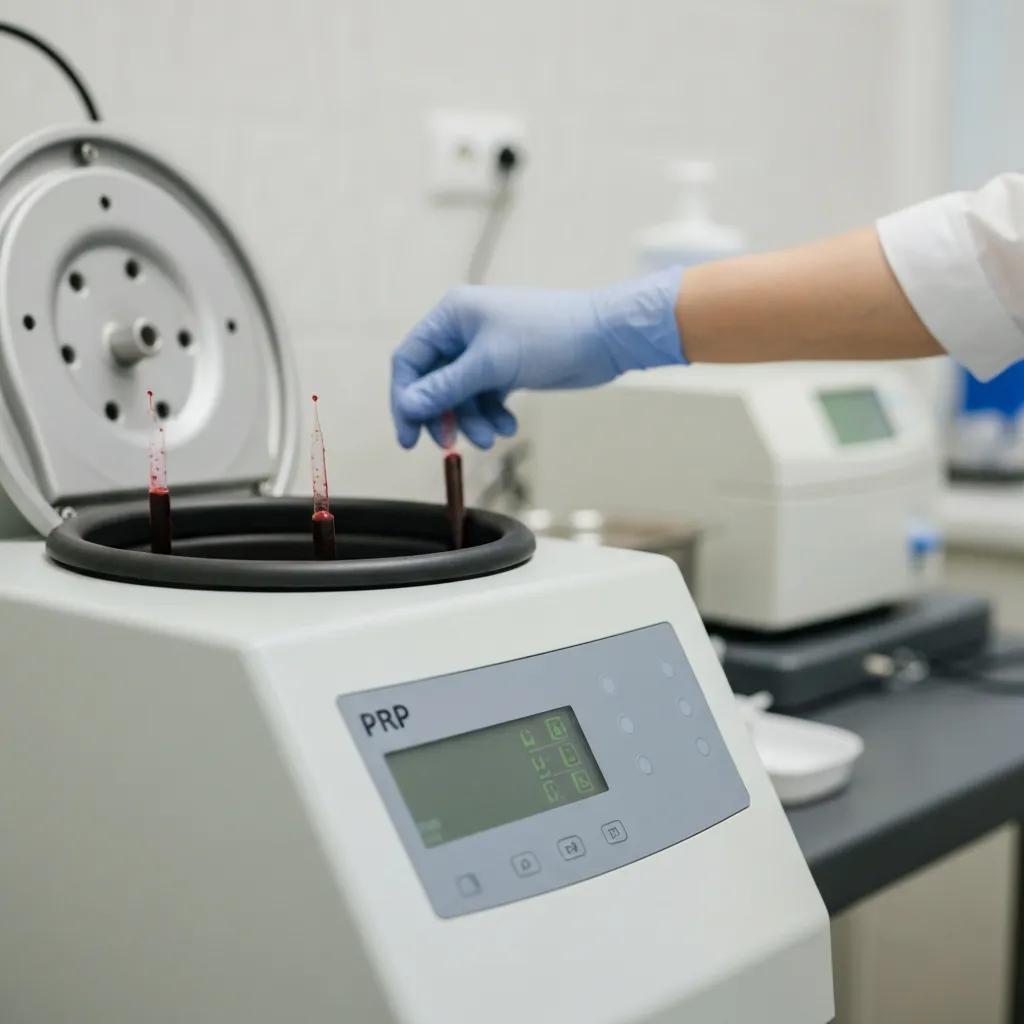
During the procedure, a small blood sample is drawn from the patient, processed in a centrifuge to separate and concentrate platelets, and the platelet-rich portion is prepared for injection into the targeted tissue. Patients typically experience a quick venipuncture, then short waiting time while the sample is spun, followed by the injection which uses local anesthesia to minimize discomfort; the entire visit commonly lasts under an hour. Sensations at the injection site can include pressure or brief sharp pain during needle placement and mild soreness afterward, usually manageable with ice and activity modification rather than systemic pain medications. Most patients receive one primary PRP session with possible booster injections depending on the condition and response; your customized plan will include follow-up checks to measure progress and guide any additional treatments.
How Does Ultrasound Guidance Improve PRP Injection Accuracy?
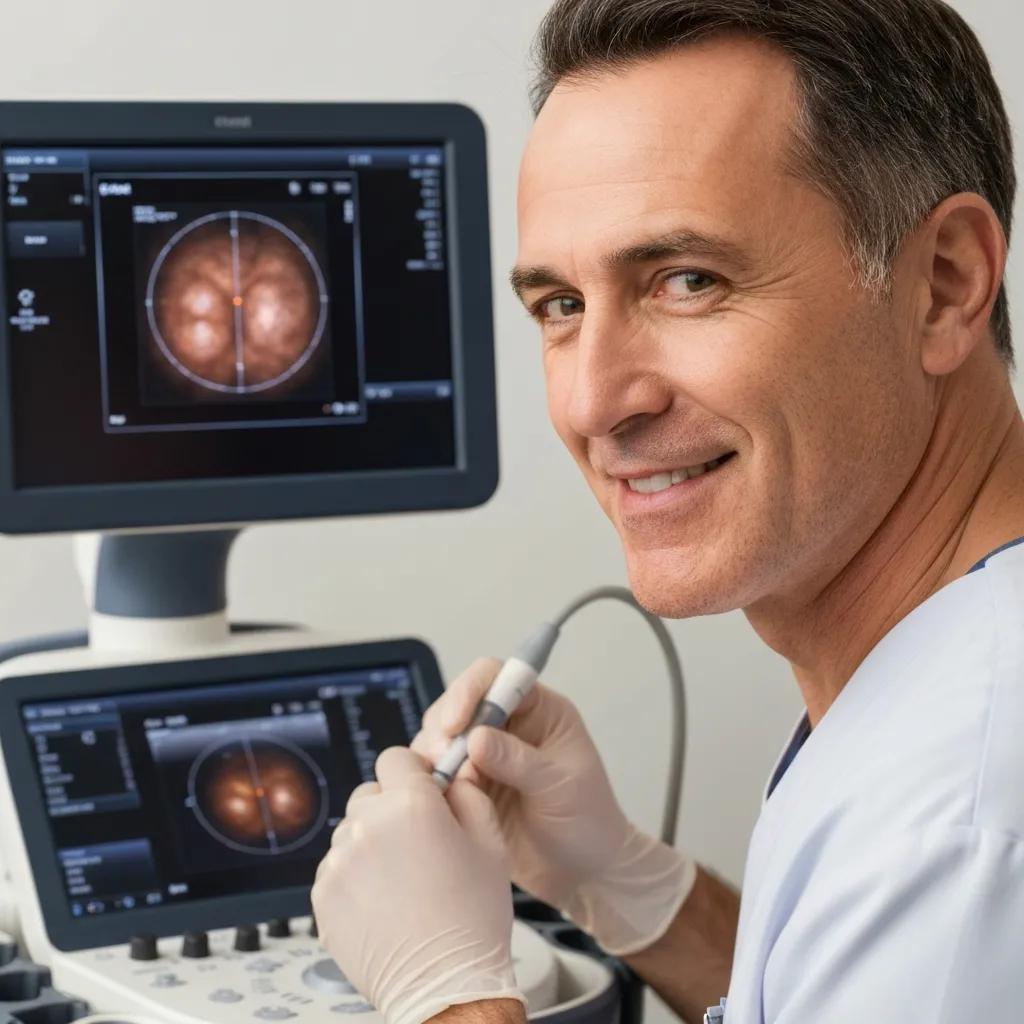
Ultrasound guidance improves injection accuracy by allowing clinicians to visualize the target structure in real time, confirm needle placement, and deposit PRP precisely where it will have maximum biological effect. Compared with blind injections, ultrasound-guided PRP injection reduces the risk of missing deep or small targets, enhances safety near nerves and vessels, and often improves clinical outcomes because the concentrate reaches the intended tissue. For patients, this translates to potentially greater efficacy and less procedural uncertainty, particularly for complex shoulder, hip, or deep tendon injections. Because ultrasound adds precision, many advanced practitioners prefer image-guided delivery for challenging anatomic sites and for patients with prior failed treatments.
What Are the Benefits of Choosing PRP Therapy for Non-Surgical Pain Relief in Houston?
PRP offers several practical and clinical advantages: it is autologous and therefore lowers systemic risk, it targets root-cause biology rather than masking symptoms, and it often reduces reliance on long-term medications or the need for surgery. Patients typically experience reduced inflammation and pain, improved tissue quality, and progressive functional gains over weeks to months when PRP is combined with appropriate rehabilitation. The benefits below summarize why many patients seeking non-surgical pain relief in Houston consider PRP as a durable alternative to steroid injections or early surgical intervention.
- PRP is a non-surgical option that focuses on regeneration rather than suppression of symptoms.
- PRP uses the patient’s own blood, minimizing allergy or rejection concerns and lowering infection risk.
- PRP can decrease reliance on chronic medication by addressing healing at the tissue level.
These benefit points highlight PRP’s role as an orthobiologic option; next we examine how PRP’s biology supports longer-term pain relief and how safety compares with conventional approaches.
How Does PRP Provide Long-Term Pain Relief and Reduce Inflammation?
PRP’s growth factors modulate inflammatory signaling and promote extracellular matrix repair, which can shift an injury from a chronic inflammatory state to a regenerative one and produce longer-lasting symptom relief. Representative studies and clinical summaries from recent years indicate that many patients experience sustained reductions in pain and improvements in function for several months to over a year, depending on condition severity and adherence to rehabilitation. Unlike steroid injections that often provide short-term relief by suppressing inflammation, PRP aims to correct tissue quality and restore function, potentially delaying or avoiding surgery. Repeat treatments may be considered for recurrent symptoms, and personalized follow-up is essential to evaluate durability and next steps.
Why Is PRP Considered a Safe and Natural Alternative to Surgery and Drugs?
PRP is considered safe primarily because it is autologous, using the patient’s own cells and plasma, which greatly reduces risks of allergic reactions and systemic side effects commonly associated with medications. Contraindications are relatively limited and include active infection or certain blood disorders, so proper screening is important; evidence variability across conditions means clinicians apply an individualized approach. While evidence quality varies by indication, the safety profile combined with regenerative potential makes PRP an attractive option for patients seeking to avoid surgery and long-term drug therapy when clinically appropriate. Given thes e advantages, many patients prefer PRP when the goal is to harness the body’s own healing capacity with minimal systemic impact.
What Do Houston Patients Say About Their PRP Therapy Results?
Patient-reported outcomes often emphasize meaningful reductions in pain, improved mobility, and a return to daily activities that were previously limited by injury; these real-world reports align with clinical measures of function and pain reduction in many studies. Short anonymized vignettes illustrate common trajectories—patients who had persistent tendon pain for months may report significant improvement within 8–12 weeks following PRP plus targeted rehabilitation, while those with mild to moderate knee osteoarthritis often note gradual pain relief and steadier function over several months. Campbell Health Center has focused on patient-centered regenerative care, and many local patients choose PRP to pursue non-surgical paths to recovery; these aggregated experiences help set realistic expectations for prospective patients.
Which Patient Success Stories Highlight Faster Healing and Improved Mobility?
Anonymous case vignettes commonly show a pattern: a patient with chronic lateral epicondylitis (tennis elbow) experienced marked pain reduction and return to normal activities within 8–10 weeks after a single PRP session and guided exercise, while a runner with Achilles tendonitis reported progressive strength gains and reduced pain over three months following PRP and activity modification. Another typical example is a middle-aged patient with early knee osteoarthritis who avoided surgery and reported improved walking tolerance and decreased reliance on NSAIDs after a PRP course and knee-strengthening program. These vignettes illustrate practical timelines and functional outcomes, demonstrating that combining PRP with a rehabilitation plan often leads to the best long-term results.
How Has PRP Therapy Changed Lives at Campbell Health Center?
At Campbell Health Center, PRP therapy is presented as part of a three-step personalized approach—consultation, customized healing plan, and regaining freedom—that prioritizes safe, natural treatments and avoidance of drugs and surgery when possible. The clinic integrates PRP into individualized care pathways tailored to each patient’s condition and goals, leveraging ultrasound guidance and coordinated follow-up to maximize outcomes. Patients in Houston seeking non-surgical pain relief often appreciate the clinic’s information-driven process and accessible $49 consultation as a practical first step to determine candidacy and build a personalized plan with Dr. Suhyun An and the care team.
What Are the Most Common Questions About PRP Therapy in Houston?
Common patient questions focus on recovery time, procedural pain, insurance coverage, and how effective PRP therapy really is for specific conditions; concise answers help patients make informed decisions about candidacy and next steps. The Q&A below addresses recovery timelines, pain expectations, and cost considerations in a direct format to support practical decision-making. After these answers, if you are ready to explore PRP for non-surgical pain relief, Campbell Health Center offers a $49 consultation to review your case and discuss a personalized plan without committing to treatment.
- How long does PRP take to show benefit? Many patients notice early symptom modulation within 2–6 weeks and clearer functional improvement by 8–12 weeks, with continued gains over several months.
- Is PRP painful? The procedure typically involves brief discomfort during the blood draw and injection; local anesthetic and technique (including ultrasound guidance) minimize pain and most patients tolerate it well.
- Is PRP covered by insurance? Coverage varies and many patients self-pay; contacting the clinic for current cost options and individualized pricing is recommended.
This concise list addresses the most common patient concerns and prepares readers for practical next steps; the final paragraphs below restate clinic access and the consultation offer.
How Long Does PRP Take to Heal and What Is the Recovery Time?
Immediate post-procedure effects commonly include localized soreness or mild swelling that peaks in the first 48–72 hours and improves with ice and activity modification, while meaningful tissue changes and functional gains usually emerge over weeks to months. Short-term recovery advice generally recommends limiting high-impact activities for several days, gradually resuming prescribed rehabilitation exercises within one to two weeks, and attending follow-up visits to assess progress. Most patients return to normal daily activities quickly but follow a graded plan for high-load sports or labor to allow biological repair; clinicians will tailor specific timelines based on the treated structure and patient goals. Understanding this phased recovery helps patients plan realistically for work, sports, and follow-up care.
Is PRP Therapy Painful and Is It Covered by Insurance?
PRP injections can cause transient discomfort during needle placement and brief soreness afterward, but pain control measures such as local anesthetic and progressive activity guidelines reduce procedure-related pain; many patients describe the experience as tolerable and short-lived. Regarding insurance, coverage is variable—some plans may not cover regenerative procedures and many patients pay out-of-pocket—so it is common to discuss pricing and payment options at consultation. Campbell Health Center provides transparent, patient-focused discussions during the $49 consultation to review candidacy, expected outcomes, and cost considerations so you can make an informed choice about PRP therapy and non-surgical options.
For Houston patients interested in exploring PRP as a safe, natural way to avoid surgery and long-term medications, Campbell Health Center offers a clear pathway: a $49 consultation to evaluate your condition, review imaging, and build a personalized PRP treatment plan focused on root-cause healing. To take the next step, schedule a consultation with Dr. Suhyun An and the Campbell Health Center team to discuss whether PRP is right for your specific pain or injury and learn about the clinic’s individualized, non-surgical approach.