Effective Non-Surgical Knee Therapy in Houston: Comprehensive Pain Relief and Regenerative Solutions
Non-surgical knee therapy in Houston offers targeted, less-invasive approaches to reduce pain, improve function, and delay or avoid knee replacement surgery by combining regenerative medicine with advanced physical therapies. This article explains how regenerative injections, mechanical stimulation therapies, and biomechanical care work together to address knee joint cartilage, meniscus issues, ligament pain, and inflammatory conditions like bursitis and tendonitis. Readers will learn which knee conditions respond best to non-surgical care, how specific therapies such as PRP and stem cell options differ biologically, and what a typical patient journey looks like from evaluation to recovery. We also map clinic-level choices available locally, outline candidate criteria, and clarify practical considerations including costs and insurance realities to help you decide whether to schedule a low-cost consult. The following sections cover common conditions treated non- surgically, the therapies used (with a clinic-specific service summary), a comparative deep-dive into stem cell and PRP, the patient pathway including the $49 consultation, reasons to consider Campbell Health Center in Houston, and concise FAQs to address typical patient concerns.
What Are the Most Common Knee Conditions Treated with Non-Surgical Therapy in Houston?
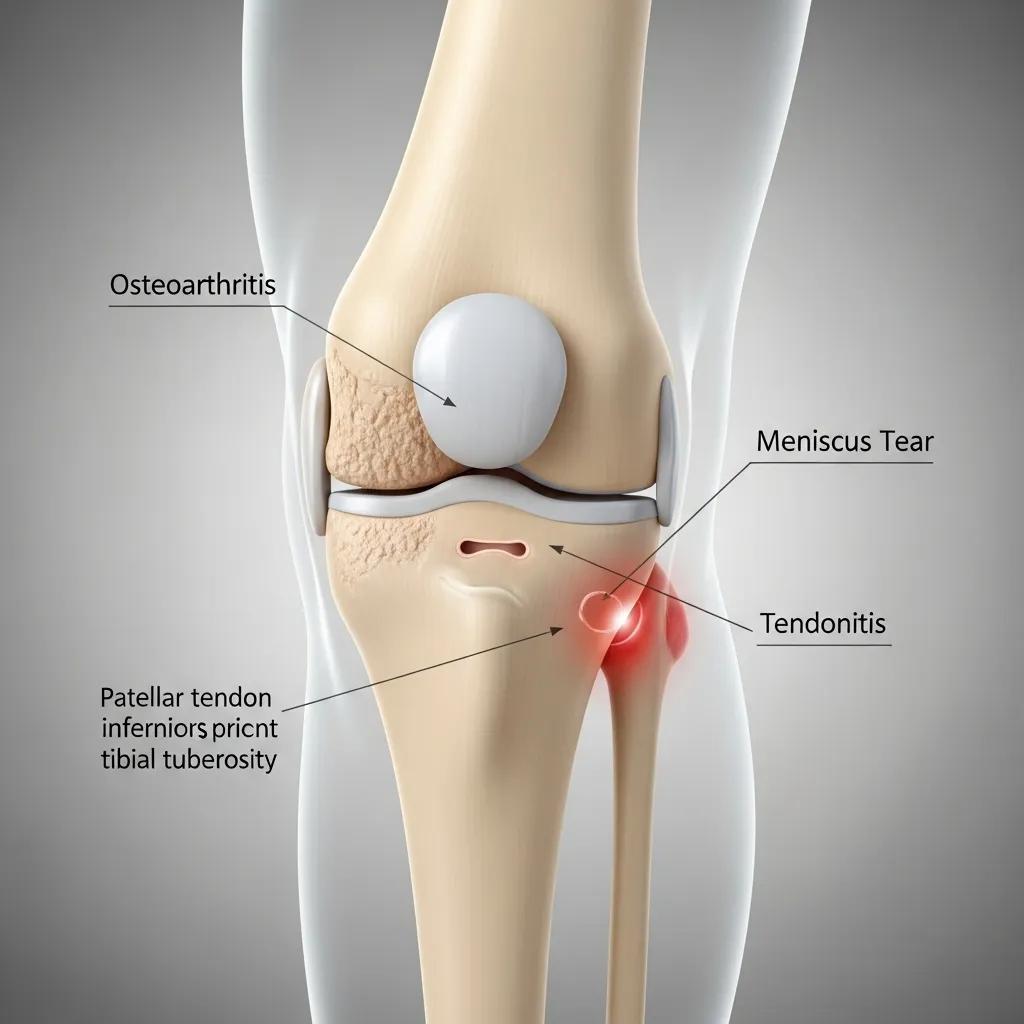
Non-surgical knee therapy primarily targets degenerative, overuse, and some acute soft-tissue conditions by reducing inflammation, stimulating tissue repair, and restoring joint mechanics. These approaches work on knee joint cartilage, meniscus tissue, ligaments, synovial fluid environment, and surrounding tendons to relieve pain and improve function without open surgery. Treatments are chosen based on the underlying pathology, symptom severity, imaging findings, and patient goals, with the aim of preserving native joint structures and optimizing mobility. Understanding which diagnoses commonly respond to conservative and regenerative care helps patients set realistic expectations before pursuing treatment.
Common knee conditions that respond to non-surgical approaches include:
- Osteoarthritis of the knee: early-to-moderate cartilage loss with inflammatory pain.
- Meniscus tear: degenerative or small tear patterns that cause mechanical symptoms.
- Tendonitis (patellar or pes anserine): localized tendon inflammation responding to biologics and rehab.
- Ligament sprains and partial tears: stability-focused rehab and adjunct regenerative support.
- Bursitis: inflamed fluid-filled sacs reducible with targeted therapies.
- Runner’s knee (iliotibial band syndrome): biomechanical contributors treated with alignment care.
These conditions often overlap, and a combined plan addressing cartilage health, tendon integrity, and biomechanics is usually most effective. The next section explains specific non-surgical options commonly deployed in Houston clinics and how they relate to these diagnoses.
Which Knee Pain Types Benefit from Non-Surgical Treatments?
Knee pain types that typically improve with non-surgical therapies include inflammatory pain from early osteoarthritis, focal tendon injuries, and symptomatic degenerative meniscal tears without gross instability. Patients with swelling, stiffness that fluctuates with activity, or activity-limiting tendon pain are often good candidates for regenerative injections, shockwave, and focused rehabilitation that aim to modulate inflammation and promote tissue repair. Mechanical pain from gross structural collapse or advanced full-thickness cartilage loss may be less likely to respond fully and can still require surgical consultation; however, non-surgical care may still provide meaningful symptom relief and functional improvement. Identifying the dominant pain generator via history, physical exam, and imaging guides therapy selection and expected outcomes.
Why Choose Non-Surgical Options Over Surgery for Knee Pain?
Non-surgical options prioritize lower procedural risk, faster recovery, and the potential to restore tissue biology rather than replace structures, which appeals to patients wishing to avoid the downtime and invasiveness of knee replacement. Avoiding general anesthesia and surgical incisions reduces immediate perioperative risks and allows staged, reversible treatment plans that can be escalated if needed. Cost considerations and the desire to preserve native joint anatomy often lead patients to try conservative and regenerative modalities first, especially when imaging shows partial-thickness cartilage loss or reparable meniscal pathology. When non-surgical care cannot satisfactorily restore function or pain relief, surgery remains an appropriate next step; these decisions are made collaboratively based on response to therapy and functional goals.
What Non-Surgical Knee Therapy Options Does Campbell Health Center Offer in Houston?
Non-surgical knee therapy options available locally include a spectrum of regenerative injections, mechanical stimulation modalities, and biomechanical care that together address tissue repair, inflammation, and joint mechanics. These therapies act on different components of the knee—cartilage, meniscus, ligaments, synovium, and pericapsular tissues—so a multimodal plan often produces the best outcomes. Safety profiles, session expectations, and typical candidate types vary by modality, which helps tailor plans to individual needs and goals. Below is a concise service summary that maps each therapy to its primary mechanism and common use-cases to assist patients in understanding choices before scheduling an evaluation.
| Therapy | Mechanism | Typical Use-Cases/Benefits |
|---|---|---|
| Regenerative Cellular Therapy (stem cell, regenerative tissue) | Provides cells and signaling molecules that support tissue repair and reduce inflammation | Ideal for early-to-moderate osteoarthritis, focal cartilage defects, and chronic tendon injuries |
| PRP Therapy | Concentrated platelets release growth factors that modulate inflammation and stimulate healing | Best for tendonitis, early OA, and certain meniscal pathologies |
| Shockwave Therapy | Mechanical pulses stimulate tissue remodeling and pain pathway modulation | Useful for chronic tendon pain and localized soft-tissue healing |
| PEMF Therapy | Electromagnetic fields influence cellular activity and reduce inflammation | Supports post-injection recovery and chronic pain modulation |
| Chiropractic Care & Knee on Trac | Biomechanical realignment and off-loading improve joint mechanics and reduce pain | Addresses malalignment, gait issues, and integrates with regenerative care |
| Viscosupplementation & Prolotherapy | Synovial supplementation or irritant-driven healing responses improve lubrication and tissue strength | Symptomatic relief for OA and ligament/tendon laxity |
| Genicular Nerve Radiofrequency Ablation (RFA) & GAE alternatives | Targeted nerve modulation or vascular intervention for refractory pain | Considered when conservative measures insufficient or for localized pain generators |
| Laser Therapy & Spinal Decompression | Cellular stimulation and adjacent kinetic chain therapies to reduce pain and foster function | Complementary modalities for chronic pain and mechanical contributors |
This menu of services is offered with an emphasis on combining regenerative and mechanical therapies when clinically appropriate to maximize repair and restore function. Campbell Health Center in Houston presents these options within individualized treatment plans and invites patients to discuss combinations that match their goals, pain patterns, and imaging findings. To make starting care accessible, the clinic offers a $49 consultation to evaluate your condition, review imaging, and outline personalized options that align with your goals.
How Does Regenerative Medicine Treat Knee Pain Naturally?
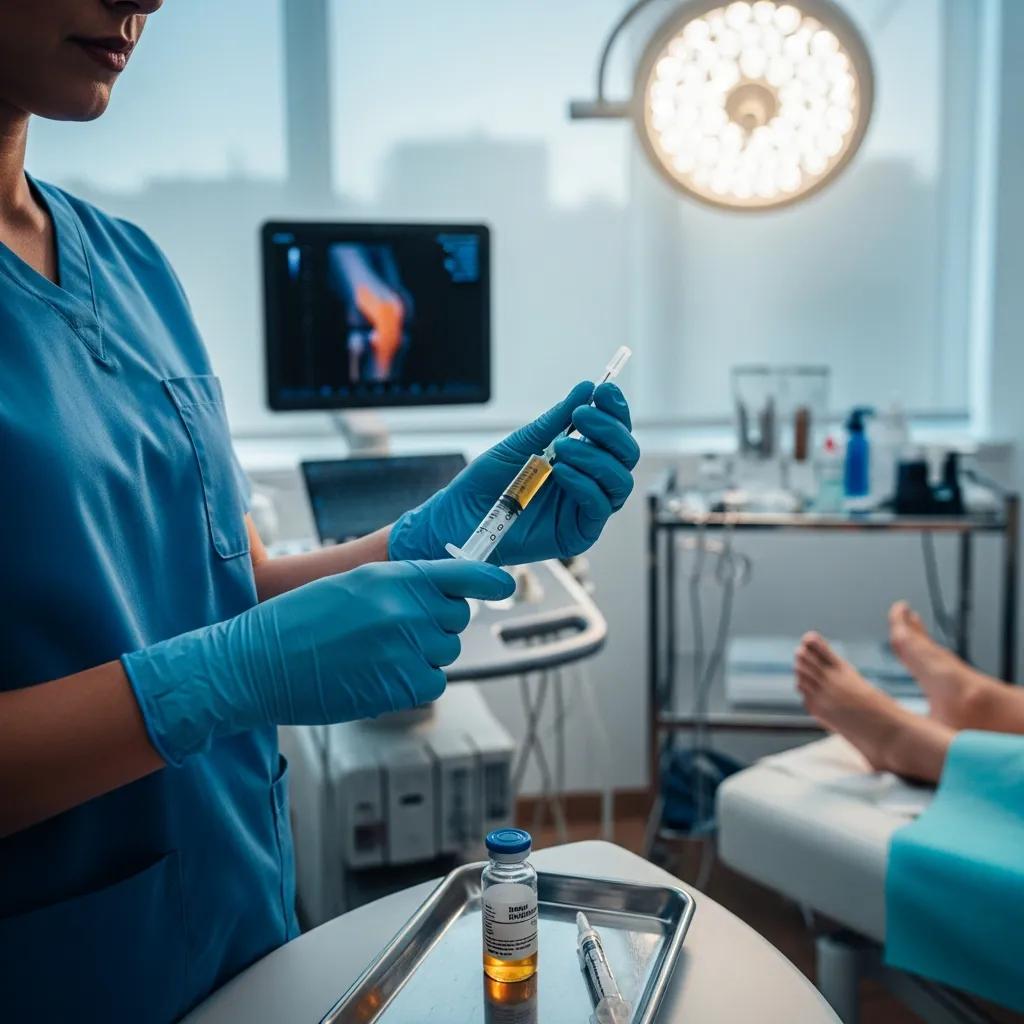
Regenerative medicine uses biological materials—autologous or donor-sourced cells and signaling tissue—to reduce inflammation and support intrinsic healing processes in the knee joint. Stem cell–based or regenerative cellular tissue therapies introduce reparative cells and growth factors that can support cartilage matrix preservation and modulate the synovial inflammatory environment, while PRP relies on concentrated platelets to release growth factors that stimulate tendon and cartilage healing. These therapies are most effective when paired with mechanical rehabilitation and load management to create an environment where tissue repair can proceed. Understanding this biological rationale clarifies why regenerative options are often presented as part of a multimodal care plan rather than standalone fixes.
MSCs with PRP for Knee Osteoarthritis: Improved Function and Reduced Symptoms
An intra-articular injection of bone marrow-derived culture-expanded MSCs with or without the addiction of PRP is effective in improving the function and decreasing symptoms caused by knee OA at 12-month follow-up. … -articular injection of culture-expanded mesenchymal stem cells with or without addition of platelet-rich plasma is effective in decreasing pain and symptoms in knee …, R Bastos, 2020
What Advanced Physical Therapies Are Available for Knee Pain Relief?
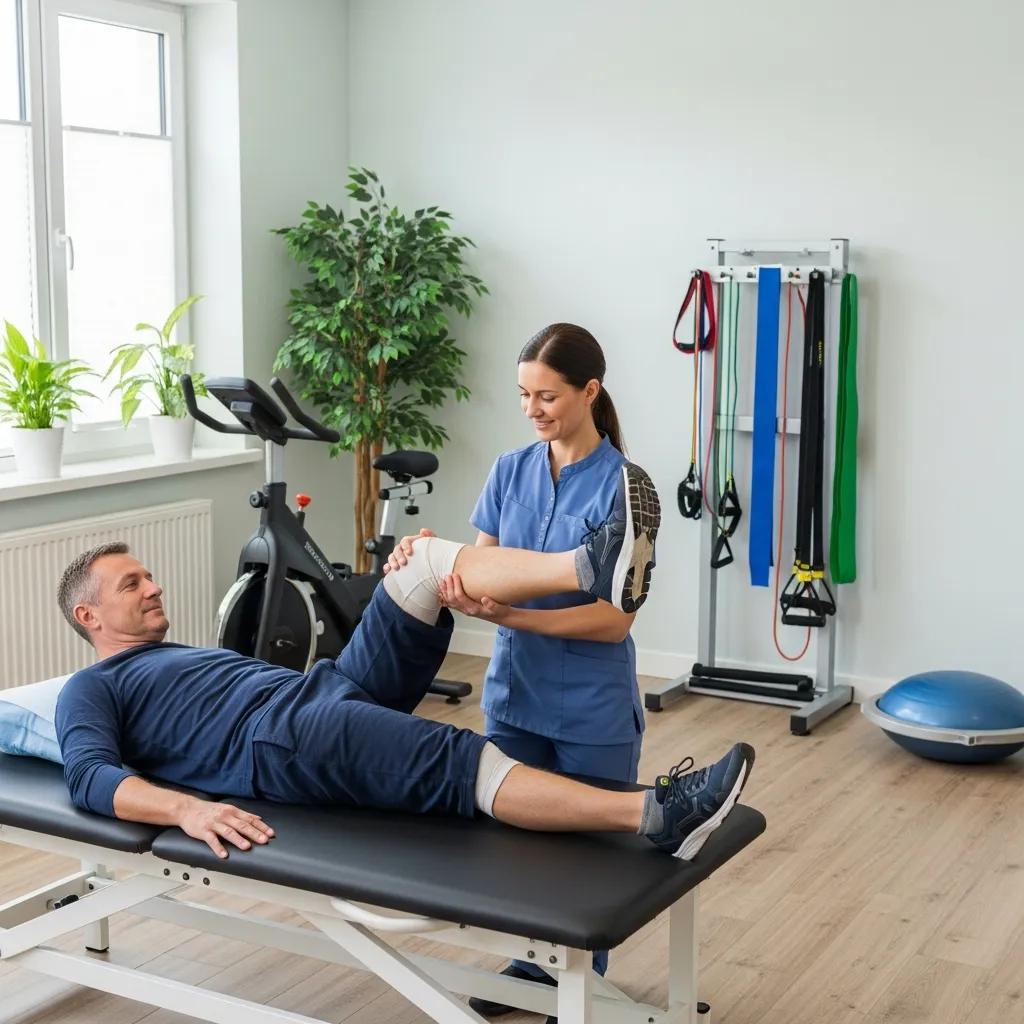
Advanced physical modalities like shockwave therapy, PEMF, laser therapy, and device-assisted off-loading (e.g., Knee on Trac) target mechanical and cellular drivers of pain by stimulating tissue remodeling, reducing nociceptive signaling, and improving joint mechanics. Shockwave delivers focused mechanical energy to stimulate neovascularization and tissue regeneration, while PEMF modifies cellular ion channels and inflammatory signaling to promote repair. Chiropractic and off-loading devices restore alignment and load distribution to reduce focal cartilage stress and tendon overload. These therapies complement regenerative injections by preparing tissue beds, enhancing cellular responsiveness, and shortening recovery timelines, creating a coordinated pathway from treatment to rehabilitation.
How Do Stem Cell Therapy and PRP Therapy Work for Knee Pain in Houston?
Stem cell therapy and PRP therapy each address knee pathology through different biological mechanisms: stem cell or regenerative cellular therapies supply reparative cells and a supportive signaling environment, while PRP provides concentrated growth factors from the patient’s blood that modulate inflammation and stimulate local healing. Preparation for each differs—stem cell approaches may use harvested regenerative tissue or donor-derived cellular products prepared under controlled conditions, whereas PRP is prepared from an autologous blood draw and centrifugation to concentrate platelets. Typical treatment planning weighs source, mechanism, candidate profile, and recovery expectations to select the best option or combination for a given patient. The table below compares common attributes to aid patient understanding.
| Therapy | Attribute | Typical Patient-Directed Value |
|---|---|---|
| Stem Cell / Regenerative Cellular Tissue | Source and mechanism | May use regenerative tissue or cell-rich products to support structural repair and anti-inflammatory signaling |
| Stem Cell / Regenerative Cellular Tissue | Typical session count | Often planned as 1 primary procedure with potential adjunct sessions based on response |
| PRP (Platelet-Rich Plasma) | Source and mechanism | Autologous platelets release growth factors to stimulate tendon and early cartilage repair |
| PRP (Platelet-Rich Plasma) | Typical session count | Frequently administered as 1–3 injections spaced weeks apart depending on condition |
| Both | Expected outcomes | Aim for reduced pain, improved function, and delayed progression; timelines vary by therapy and pathology |
What Are the Benefits and Expected Outcomes of Stem Cell Therapy?
Stem cell and regenerative cellular tissue therapies can support pain reduction, improved joint function, and a biologically favorable environment for matrix preservation in cases of early-to-moderate cartilage damage or chronic tendon injuries. Improvements tend to emerge over weeks to months as cellular signaling and remodeling progress, with many patients reporting gradual pain reduction and increased activity tolerance. Limitations include variable response depending on disease stage, and the need to combine regenerative therapy with mechanical correction and rehabilitation for durable functional gains. Setting realistic expectations and tracking progress through periodic assessments ensures plans are adjusted when additional or adjunctive therapies are beneficial.
How Is PRP Therapy Administered and Who Is a Good Candidate?
PRP therapy is performed by drawing a small volume of the patient’s blood, centrifuging it to concentrate platelets, and injecting the platelet-rich concentrate into the affected tendon or joint under image guidance when indicated. Good candidates include patients with early osteoarthritis, tendonitis, or focal meniscal symptoms who have not achieved sufficient relief from basic conservative measures and seek less-invasive options to reduce inflammation and promote healing. Side effects are typically limited to localized soreness and transient swelling; post-procedure protocols commonly include activity modification and progressive rehabilitation to maximize treatment effect. A brief evaluation helps determine whether PRP, alone or combined with other modalities, best matches the patient’s goals and pathology.
What Should Patients Expect During Their Non-Surgical Knee Therapy Journey in Houston?
The non-surgical knee therapy journey typically follows a structured sequence from evaluation through treatment and rehabilitation, designed to identify the pain generator, match it to the most appropriate therapies, and measure functional outcomes over time. Early steps focus on history-taking, focused examination, and review of imaging to create a personalized plan that may combine regenerative injections, mechanical modalities, and biomechanical rehabilitation. Patients are informed about session counts, recovery expectations, and follow-up cadence so they can plan activity and work commitments. A clear, staged pathway improves adherence and helps clinicians adjust treatments responsively based on progress.
- Initial Consultation and Evaluation: Medical history, exam, imaging review, and goal-setting.
- Personalized Treatment Plan: Recommendation of one or more modalities (regeneration, mechanical, rehab).
- Treatment Phase: Injections, shockwave/PEMF sessions, and supervised rehab as scheduled.
- Recovery and Monitoring: Activity progression, symptom tracking, and follow-up visits for adjustments.
This timeline clarifies next steps and reduces uncertainty for patients considering non-surgical care. The $49 consultation offered by Campbell Health Center provides a structured, low-friction entry point where clinicians perform intake, review imaging, discuss candidate suitability, outline recommended therapies, and present estimated session plans. This consult emphasizes shared decision-making and prepares patients for the likely recovery timeline and follow-up schedule.
How Does the $49 Consultation Help Create a Personalized Treatment Plan?
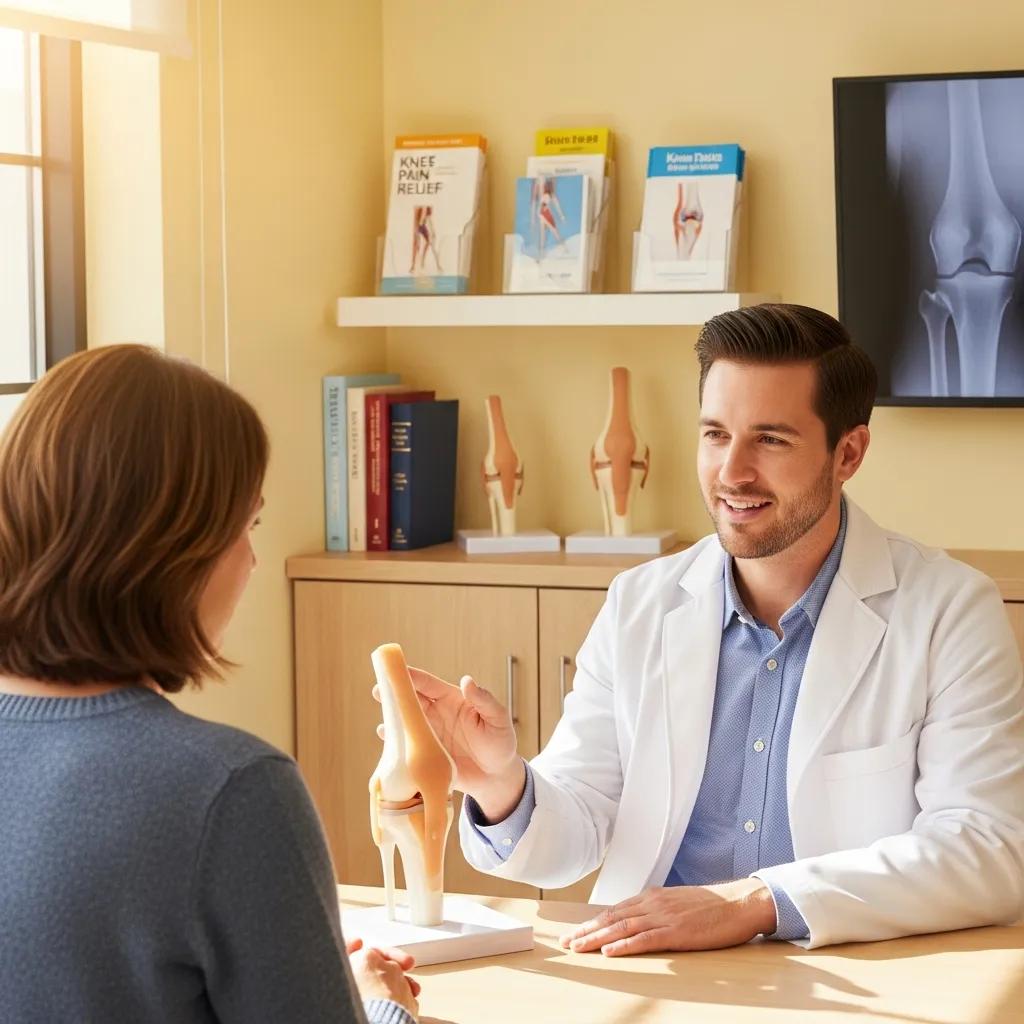
The $49 consultation is a focused evaluation that includes a targeted history, physical exam, and review of any existing imaging to identify the primary pain generator and functional deficits. During this visit clinicians discuss the spectrum of non-surgical options, explain mechanisms and realistic outcomes, and propose an individualized plan that sequences therapies to address tissue biology and biomechanics. The consult also covers safety considerations and provides cost transparency within the clinic’s insurance-independent model, enabling patients to weigh options before committing to treatment. By leaving the visit with a clear, written plan, patients reduce uncertainty and can proceed with confidence into the treatment phase.
What Is the Typical Recovery Timeline and Follow-Up Care?
Recovery timelines vary by modality: shockwave and PEMF may produce measurable symptomatic improvement within 2–6 weeks, PRP effects commonly evolve over 4–12 weeks, and regenerative cellular therapies may show progressive benefit over 3–6 months as tissue remodeling occurs. Immediate post-procedure effects often include transient soreness or swelling for 48–72 hours, followed by gradual functional gains with guided rehabilitation. Follow-up visits are scheduled to assess pain scores, mobility metrics, and activity tolerance, allowing clinicians to adjust rehabilitation intensity or add adjunctive therapies. Clear expectations about these intervals help patients plan return-to-activity goals and monitor for red-flag symptoms that would prompt expedited reassessment.
Why Choose Campbell Health Center for Non-Surgical Knee Pain Treatment in Houston?
Campbell Health Center positions itself as a patient-centered, insurance-independent clinic in Houston that offers a multimodal approach to knee pain, combining regenerative medicine, advanced physical therapies, and biomechanical care to avoid unnecessary drugs and surgery when safe and appropriate. Dr. Suhyun An, DC, MSN, NP-C, and her professional team are here to help you find real relief from your knee pain. The clinic emphasizes thorough evaluations, coordinated plans tailored to each patient’s goals, and transparent entry points like the $49 consultation to reduce barriers to starting care. The care team includes clinicians experienced in spine and joint conditions, and the center highlights personalized planning, integration of therapies, and an outcomes-focused pathway to restore function and quality of life.
- Campbell Health Center’s patient-first practices include direct clinician time, individualized plans, and multimodal sequencing to address root causes.
- The clinic operates independently of insurance and Medicare to prioritize tailored care choices without payor-driven limitations.
- A low-cost $49 consultation provides accessible evaluation, imaging review, and a clear treatment roadmap for prospective patients.
These features make Campbell Health Center a practical option for patients seeking natural, drug-free emphasis in knee care. The clinic’s local experience and focused service menu support coordinated plans that align with contemporary non-surgical strategies and patient goals.
What Makes Campbell Health Center’s Approach Unique and Patient-Centered?
The clinic’s approach centers on diagnosing the primary pain generator, then combining regenerative and mechanical therapies to address tissue biology and biomechanics together rather than relying on single-modality care. This means clinicians prioritize root-cause interventions—such as correcting alignment, reducing joint overload, and stimulating tissue repair—while minimizing reliance on medications or immediate surgical referral. Patient-centered practices include thorough consultation, shared decision-making, and follow-up plans that track progress and adapt treatment sequencing based on objective improvement. This coordinated approach increases the likelihood of meaningful pain reduction and functional restoration over time.
How Does Over 15 Years of Experience Benefit Knee Pain Patients?
More than 15 years of clinical experience in Houston translates into refined protocols, familiarity with local patient needs, and iterative improvements in multimodal care pathways. That institutional knowledge helps clinicians better select candidates for regenerative versus conservative steps, anticipate common recovery trajectories, and integrate adjunctive therapies that enhance durability of results. Experience also supports efficient evaluation workflows and clearer communication about expected outcomes, which reduces uncertainty for patients and allows for timely escalation when appropriate. The result is a pragmatic, evidence-aware practice that emphasizes measurable functional gains and long-term joint preservation.
What Are the Frequently Asked Questions About Non-Surgical Knee Therapy in Houston?
This FAQ section addresses common patient concerns about costs, insurance, candidacy, and how non-surgical options compare with knee replacement, with concise answers and pointers for next steps. Each entry provides a short, actionable response followed by where to learn more or how to proceed with evaluation and scheduling.
| Question | Short Answer | Where to Learn More/CTA |
|---|---|---|
| What are the costs and does insurance cover non-surgical knee treatments? | Many regenerative and advanced physical therapies are outpatient services that may not be covered by insurance; detailed cost estimates are provided during a consultation. | Schedule the $49 consultation to review options and receive transparent pricing. |
| Am I a candidate for PRP or stem cell therapy? | Good candidates typically have early-to-moderate degenerative changes or focal tendon/meniscal issues and have tried basic conservative care first. | Book an evaluation to review imaging and discuss personalized candidacy. |
| How soon will I see improvement after treatment? | Timelines vary by therapy: some modalities yield benefit in weeks, while others (like regenerative cellular therapies) may show progressive improvement over months. | Use follow-up visits to track progress and adjust the plan as needed. |
What Are the Costs and Does Insurance Cover Non-Surgical Knee Treatments?
Costs for non-surgical knee therapies vary by modality and scope of care; many regenerative and advanced physical therapies are elective outpatient services that may not be covered by insurance and Medicare. Because coverage and out-of-pocket responsibility differ widely, a focused consult helps clarify what a recommended plan will cost and which components might be eligible for reimbursement. Campbell Health Center’s insurance-independent model means recommendations prioritize clinical appropriateness rather than payor constraints, and the $49 consultation provides a low-cost way to get personalized pricing information. Patients are encouraged to discuss payment options and scheduling during the consult to ensure care aligns with their budget and goals.
How Do Non-Surgical Treatments Compare to Knee Replacement Surgery?
- Non-Surgical Aim: Pain relief, function restoration, and preservation of native joint.
- Surgical Aim: Structural replacement and long-term resolution for end-stage disease.
- Decision Factors: Severity on imaging, functional limitations, patient goals, and prior response to conservative care.
This comparison underscores that non-surgical therapies often serve as first-line options for many patients and as bridge therapies when surgery is deferred or avoided. To determine the best path for your knee, begin with a focused evaluation; the $49 consultation at Campbell Health Center provides an accessible starting point to receive a personalized plan and pricing overview. To schedule, call the clinic to arrange an appointment and bring any recent imaging for review.