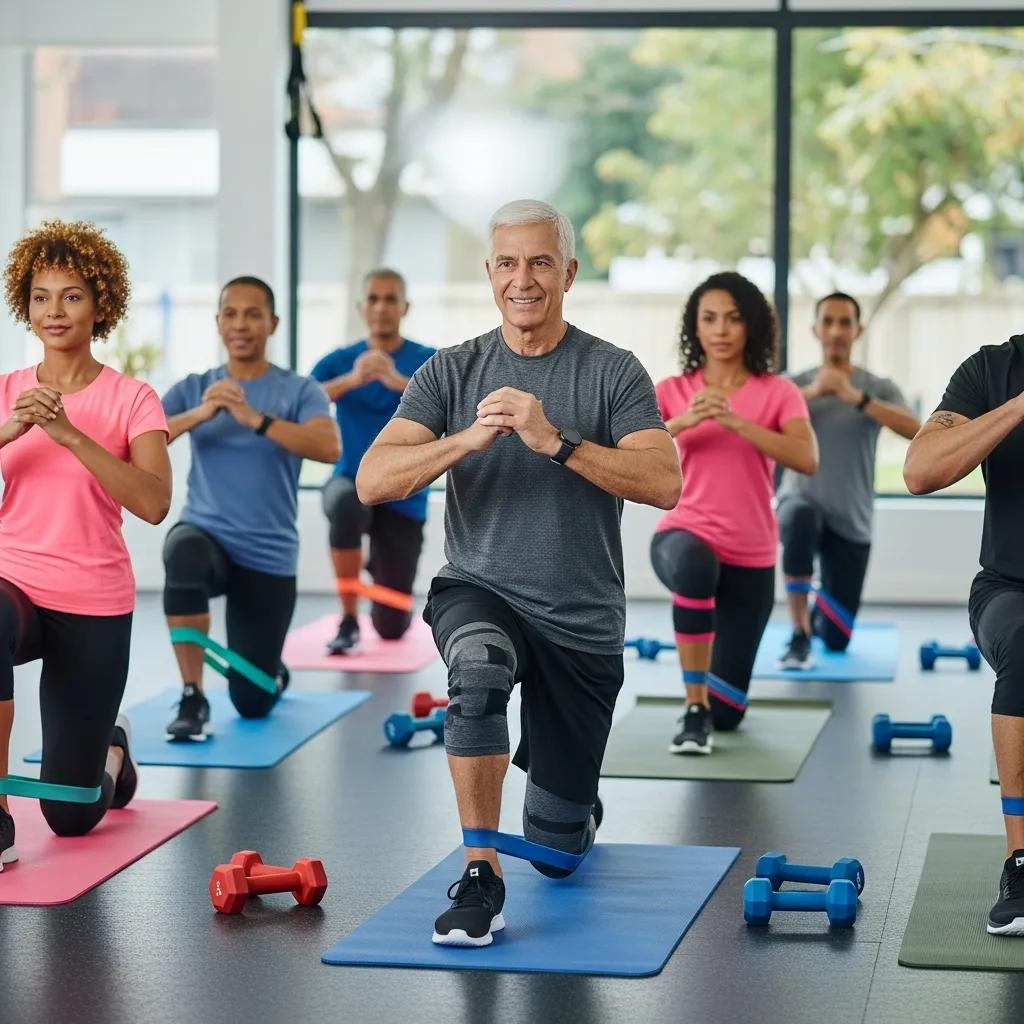
Effective Exercises to Strengthen Knee Muscles and Protect Your Joints for Lasting Pain Relief
Knee pain is one of the most common mobility problems people face, often arising from overuse, ligament or meniscus strain, or the gradual wear of osteoarthritis. Strengthening the muscles around the knee — including the quadriceps, hamstrings, gluteus medius, and hip abductors — redistributes joint load, stabilizes the patella, and reduces painful stress on cartilage and ligaments. This article teaches practical knee joint health exercises, explains the physiological reasons exercise reduces pain and improves mobility, identifies risky movements to avoid, and maps how non-surgical therapies can safely accelerate recovery. You will also find targeted modifications for acute pain, lifestyle strategies to protect knees long-term, and clear guidance on combining exercise with adjunct non-surgical care when appropriate. Throughout, the focus remains on evidence-backed knee rehabilitation methods, simple home progressions, and patient-centered options for Houston residents seeking conservative, non-surgical solutions.
What Are the Best Knee Strengthening Exercises for Pain Relief and Joint Protection?
Knee strengthening exercises are targeted movements that increase force-producing capacity and neuromuscular control around the joint, helping to offload damaged tissue and improve functional stability. By improving muscle support and refined motor patterns, these exercises reduce abnormal joint forces and can decrease pain during walking, stair climbing, and recreational activities. Below is a concise, actionable list of top evidence-based exercises that reliably strengthen key muscle groups involved in knee protection.
- Straight Leg Raise: Builds quadriceps strength with minimal knee bend to protect inflamed joints.
- Wall Sits: Isometric quadriceps loading that improves endurance and shock absorption.
- Clamshells: Activates gluteus medius to control hip-knee alignment and reduce valgus collapse.
- Mini-Squats (partial range): Loads quads and glutes safely when depth is limited to pain-free range.
- Hamstring Curls (standing or prone): Strengthens posterior chain to balance anterior pull and improve deceleration.
These exercises form a practical starting set that can be adapted for at-home knee strengthening and joint protection. The next subsection explains which muscle groups to prioritize when building a knee-focused program.
Which Muscles Should You Target to Improve Knee Stability?
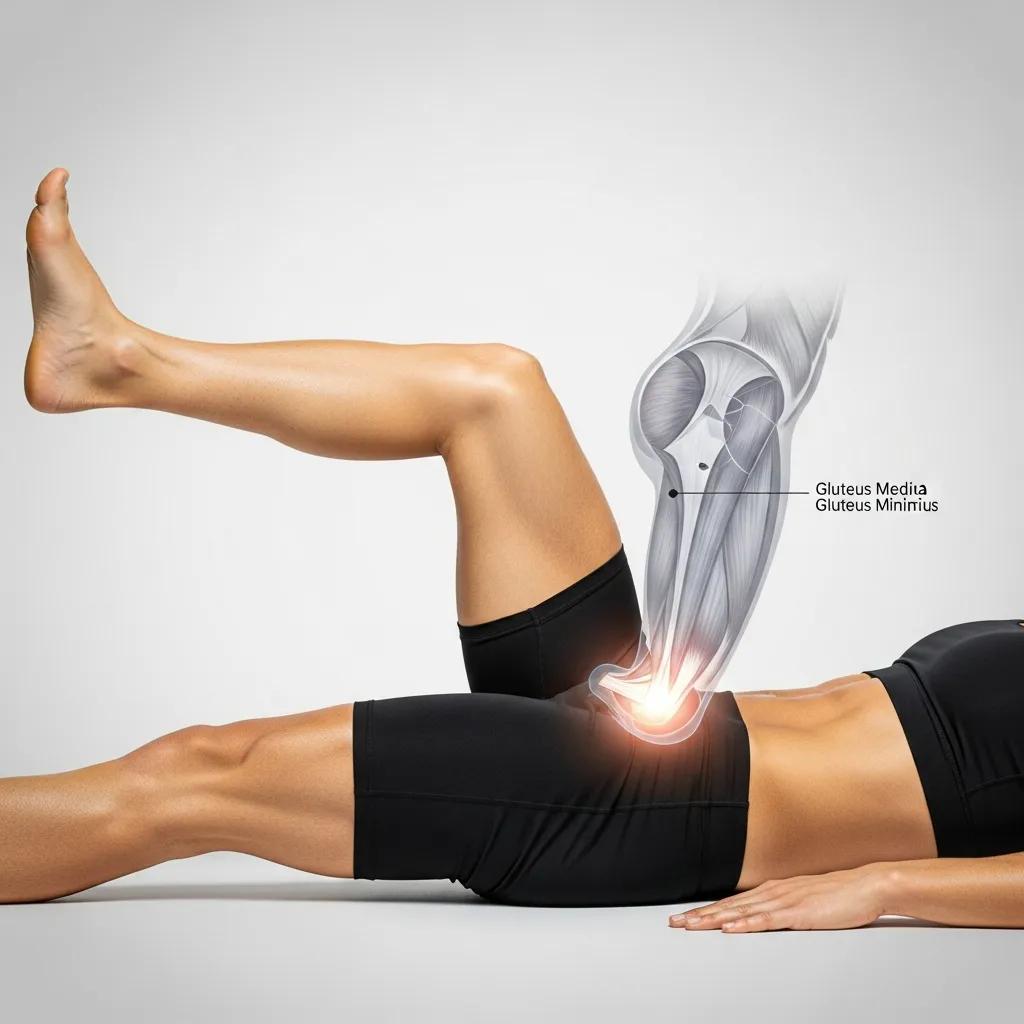
Targeting the right muscle groups is essential because each contributes a distinct stabilizing role for the knee joint and surrounding structures. The quadriceps control knee extension and absorb landing forces, so strengthening them reduces strain on the patella and underlying cartilage. Hamstrings provide posterior support and deceleration during gait, balancing quadriceps forces and protecting ACL/PCL structures. The gluteus medius and other hip abductors control frontal-plane alignment; weak hip abductors permit inward knee collapse (valgus), which increases medial and lateral stress. Training these groups in combination — for example, pairing quadriceps strengthening with glute activation drills — improves load distribution across the joint and reduces compensatory movement patterns that perpetuate pain.
How to Perform Key Knee Exercises: Step-by-Step Guide with Modifications
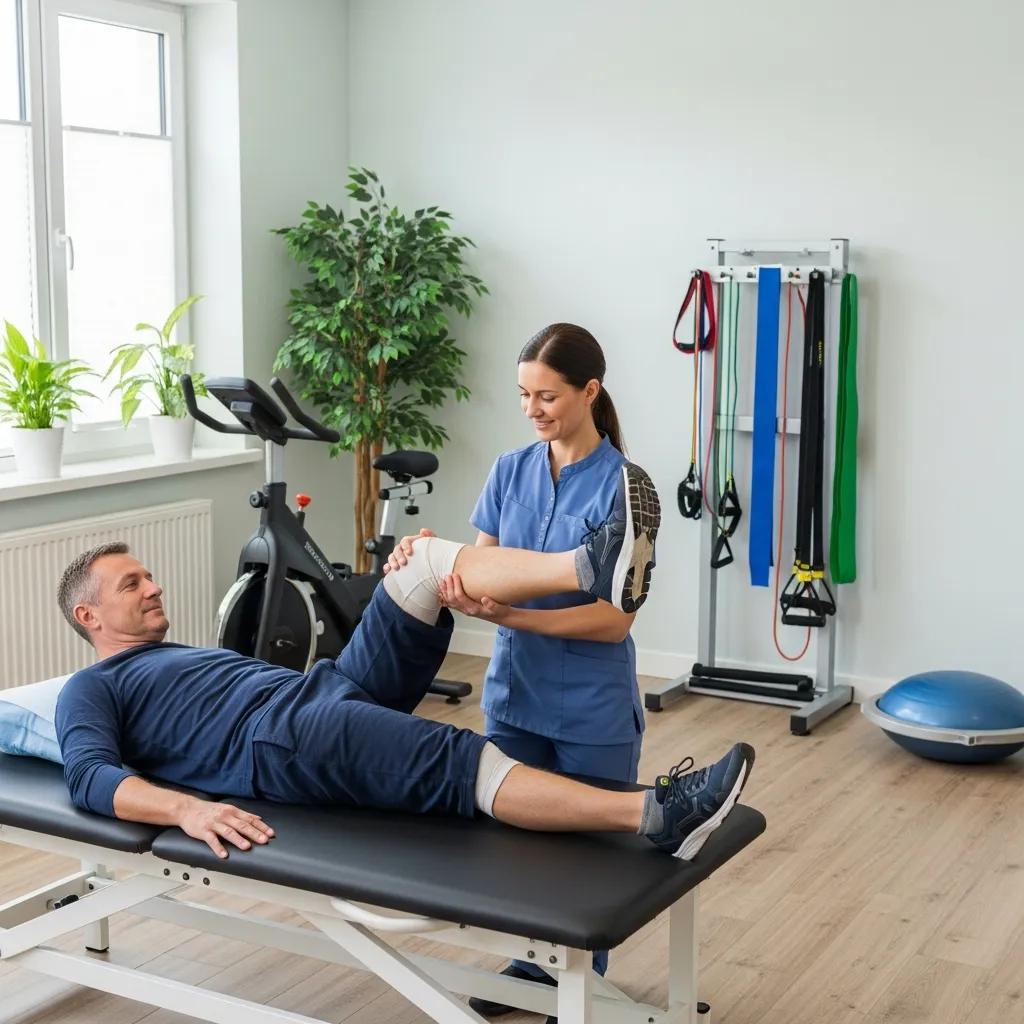
Clear form and graded progression ensure safe loading while minimizing symptom flare; each exercise below includes basic cues, rep ranges, and pain-based modifications. For straight leg raises, lie supine, keep the knee extended, lift the leg 8–12 inches, hold briefly, and lower with control for 10–15 reps; reduce range or use isometrics if pain increases. For wall sits, slide down to a comfortable knee angle, hold 20–40 seconds, and repeat 3–5 times; shorten hold time or reduce angle for earlier stages. Clamshells are performed sidelying with a resistance band above knees, opening the top knee while keeping feet together for 12–20 reps; switch to shorter range or mini-band taps when sore. For mini-squats, maintain neutral knee alignment, limit depth to 30–45 degrees, and progress by increasing reps or adding light resistance bands. Progress gradually, track symptoms, and emphasize quality of movement over load.
Before consulting the quick-reference table, consider which exercise adaptations work best during acute vs. chronic phases of knee pain.
Different exercises suit different patients and symptom patterns; the table below helps match exercise to target muscle and safe modifications for pain.
| Exercise | Target Muscles | Modifications / When to Avoid |
|---|---|---|
| Straight Leg Raise | Quadriceps (rectus femoris, vasti) | Use isometric holds if lifting causes pain; avoid with acute extensor mechanism injury |
| Wall Sits | Quadriceps, core endurance | Reduce knee angle or shortening hold time for acute swelling |
| Clamshells | Gluteus medius, hip abductors | Use smaller range or supine glute squeezes when externally rotated pain occurs |
| Mini-Squats | Quadriceps, glutes | Limit depth and avoid with sharp patellofemoral pain; use chair-supported squats |
| Hamstring Curls | Hamstrings, posterior chain | Start with light resistance bands; avoid with proximal hamstring tendinopathy |
This reference makes selecting and modifying exercises simpler and reduces the chance of symptom exacerbation.
How Do Knee Strengthening Exercises Reduce Pain and Improve Mobility?
Knee strengthening exercises reduce pain and improve mobility by increasing the muscular support around the joint, optimizing load distribution, and retraining neuromuscular control for safer movement patterns. Strengthened muscles absorb more shock and stabilize the patella, which lowers cartilage compressive stress and decreases nociceptive signaling from overloaded tissues. Additionally, progressive loading stimulates beneficial tissue adaptation, improves joint range through reduced guarding, and enhances proprioception, which supports coordinated movement during functional tasks. Understanding these mechanisms helps you dose exercise appropriately to gain durable pain relief and improved function rather than merely masking symptoms.
What Are the Benefits of Quadriceps and Hamstring Strengthening?
Quadriceps strengthening directly improves the knee’s ability to control extension and absorb ground reaction forces during walking and descending stairs, which often reduces anterior knee pain and patellofemoral symptoms. Hamstring strengthening balances anterior forces, increases deceleration capacity during dynamic tasks, and reduces stress on anterior cruciate structures by improving eccentric control. Together, enhancing both muscle groups improves shock absorption, reduces aberrant joint loading, and supports a more stable gait pattern. These combined benefits translate into measurable functional gains such as faster walking speed, safer stair negotiation, and reduced reliance on assistive devices.
Research has demonstrated that strengthening both the quadriceps and hamstring muscles can significantly improve outcomes for individuals with knee osteoarthritis.
Hamstring and Quadriceps Strengthening for Knee Osteoarthritis Management
Osteoarthritis (OA) of the knee is the most common form of joint disease. It is one of the major causes of impaired function that reduces quality of life (QOL) worldwide. The purpose of this study was to compare exercise treatments for hamstring and quadriceps strength in the management of knee osteoarthritis. [Subjects and Methods] Forty patients with OA knee, aged 50–65 years were divided into 2 groups. The first group (57.65±4.78 years) received hot packs and performed strengthening exercises for the quadriceps and hamstring, and stretching exercises for the hamstring. The second group (58.15±5.11 years) received hot packs and performed strengthening exercises for only the quadriceps, and stretching exercise for the hamstring. Outcome measures were the WOMAC (Western Ontario and McMaster Universities OA index questionnaire), Visual Analogue Scale (VAS) assessment of pain, the Fifty-
How Does Glute Activation Support Knee Joint Health?
Glute activation, particularly of the gluteus medius, supports knee alignment by controlling hip adduction and internal rotation that otherwise create valgus stress at the knee. Strong hip abductors reduce dynamic knee valgus during walking, running, and squatting, lowering the risk of meniscal overload and patellofemoral tracking problems. Activation drills like clamshells, single-leg bridges, and banded lateral walks teach the nervous system to recruit hip musculature during functional tasks, which improves movement quality and reduces compensatory knee loading. Progressing from activation to loaded hip-strengthening exercises further enhances capacity and integrates stability into daily activities.
Following these mechanisms, some patients benefit from adjunct therapies that accelerate recovery and improve tolerance for progressive exercise.
For patients considering adjunct care, non-surgical options can complement exercise-based programs by reducing inflammation and enhancing tissue receptivity to loading.
Campbell Health Center offers non-surgical modalities that many patients use alongside exercise programs to speed recovery and support progressive loading. Their services include regenerative medicine options (such as PRP and stem cell approaches), chiropractic care, shockwave therapy, and PEMF therapy, combined with diagnostic testing and personalized exercise counseling. For Houston residents seeking an integrated, conservative pathway, a $49 consultation at Campbell Health Center offers an opportunity to discuss how these therapies can be safely combined with a graded exercise plan.
Which Exercises Should You Avoid to Prevent Knee Pain and Injury?
Avoiding high-risk movements — or modifying them — helps prevent setbacks while you strengthen the knee. Exercises that commonly increase risk include deep loaded squats with poor knee tracking, high-impact plyometrics when muscles are weak, twisting pivot maneuvers on a fixed foot, and single-leg declines without proper hip control. These movements increase shear forces across ligaments and compressive loads on cartilage; when performed with weak neuromuscular control they often provoke sharp pain or swelling. Substituting low-impact progressions and focusing on form prevents injury and allows steady capacity building.
What Are the Signs That an Exercise May Harm Your Knees?
Recognizing harmful signs during or after exercise is essential to avoid worsening pathology; stop if you experience sharp, localized pain, sudden swelling, joint locking or giving way, or night pain that was not present before. Distinguish expected muscle soreness (general, diffuse, improves with movement) from harmful pain (sharp, focal, increases with activity or swelling). If harmful signs appear, pause the exercise, apply relative rest and anti-inflammatory strategies if appropriate, and seek clinical assessment to rule out meniscal or ligamentous injury. Early modification preserves gains and prevents progression to more invasive treatments.
How to Modify or Replace High-Risk Movements Safely
Safe modifications maintain fitness while protecting healing structures by shifting intensity, range, or impact profile. Replace full-depth squats with partial-range or box-supported squats, swap running for cycling or elliptical to reduce impact, and use aquatic therapy or pool walking to offload weight while preserving cardiovascular conditioning. Apply graded loading principles: decrease volume or intensity when symptoms flare, then resume incremental increases once pain stabilizes. Structured progression, patience, and objective tracking of pain and function make returning to high-level activities safer and more reliable.
To make safe modifications actionable, consider these common high-risk exercises and their practical replacements.
- Deep loaded squats → Replace with partial squats or step-ups.
- High-impact plyometrics → Replace with controlled low-impact hops or cycling intervals.
- Twisting pivot drills → Replace with closed-chain, low-torque strengthening and neuromuscular control drills.
These swap-outs preserve conditioning while minimizing knee stress and set the stage for progressive return to sport or daily demands.
How Can Non-Surgical Treatments Complement Knee Strengthening Exercises?
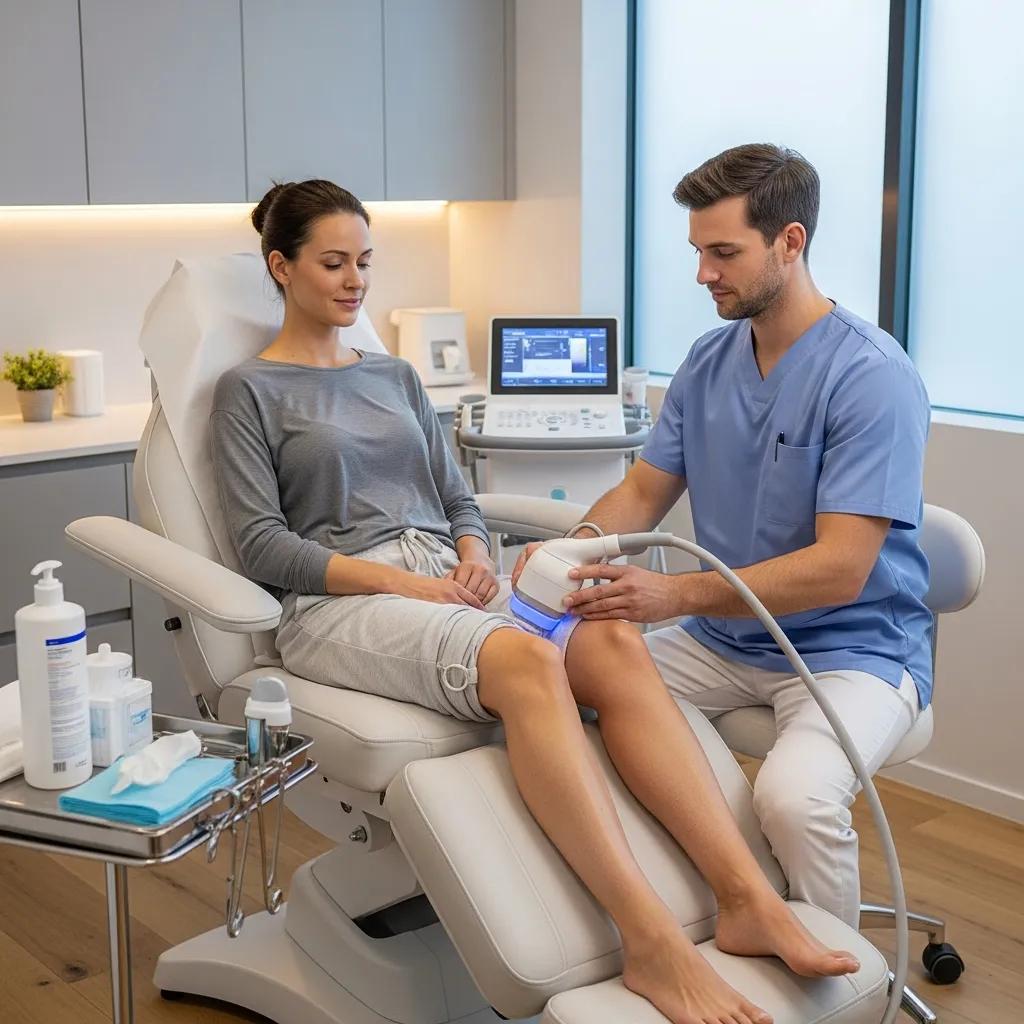
Non-surgical treatments can complement exercise by reducing pain and inflammation, improving tissue environment, and enabling earlier or more effective loading during rehabilitation. When combined with a structured strengthening program, regenerative medicine, chiropractic care, shockwave therapy, and PEMF each play distinct supportive roles: they can modulate inflammation, encourage local repair signals, correct biomechanical drivers, and reduce symptomatic barriers to exercise adherence. Selecting an adjunct depends on patient goals, symptom severity, and functional limitations, with the goal of enhancing the safety and speed of exercise-driven recovery.
Different non-surgical modalities support exercise progress in complementary ways; the EAV table below compares mechanism, primary benefit, and the ideal clinical scenario for each option.
| Therapy | Mechanism | Primary Benefit | Ideal Patient Scenario |
|---|---|---|---|
| Regenerative Medicine (PRP / Stem Cell / Regenerative Cellular Tissue) | Modulates inflammation, delivers bioactive signals | Support tissue healing and reduce persistent inflammatory pain | Patients with chronic tendinopathy or degenerative joint symptoms limiting loading |
| Chiropractic Care | Biomechanical alignment, joint mobility correction | Improves movement patterns and reduces compensatory stress | Patients with alignment-related symptoms or concurrent spine/hip contributors |
| Shockwave Therapy | Acoustic stimulation of repair pathways | Pain reduction and stimulation of tendon/bone healing | Focal tendinopathies or chronic soft-tissue pain reducing exercise tolerance |
| PEMF Therapy | Electromagnetic modulation of cellular activity | Reduced inflammation and symptomatic relief | Patients needing non-invasive pain control to progress exercise |
This comparison clarifies how each modality relates to exercise goals and supports a staged rehab plan.
Studies indicate that specific exercise regimens focusing on hamstring and quadriceps strengthening can lead to notable improvements in pain and function for individuals suffering from knee osteoarthritis.
Impact of Hamstring and Quadriceps Exercises on Knee Osteoarthritis Pain and Function
To assess the effect of hamstring and quadriceps strengthening exercises on pain intensity, gait velocity, maximum isometric strength, and activities of daily living of patients with knee osteoarthritis (OA). [Subjects and Methods] A total of 20 patients with knee OA, 50 to 65 years of age (57.65 ± 4.78 years), received hot packs, strengthening exercises for the quadriceps and the hamstring muscles and stretching exercises for hamstring muscles. Outcome measures included: the Western Ontario and McMaster Universities OA index questionnaire (WOMAC) scores for assessing health status and health outcomes of knee OA; self-reported pain intensity scores, measured using a visual analogue scale; the 50 ft walk test (a measure of gait velocity and function); and handheld dynamometry (a tool used to measure maximum isometric strength of knee extension and flexion). [Results] There was a signifi
How Does Regenerative Medicine Enhance Exercise Recovery and Joint Repair?
Regenerative medicine approaches — including platelet-rich plasma (PRP), stem cell preparations, and regenerative cellular tissue — aim to modulate the local joint environment by delivering signaling molecules that can reduce chronic inflammation and support tissue repair pathways. By improving pain control and the biological milieu, these therapies may enable patients to tolerate earlier progressive loading and accelerate functional gains during a structured exercise program. Recent clinical summaries suggest that selected patients with degenerative or chronic tendinous conditions may experience improved symptom control when regenerative options are added to rehabilitation. Appropriate patient selection and integration with exercise therapy maximize the potential for durable improvement.
What Role Do Chiropractic Care, Shockwave, and PEMF Therapies Play in Knee Health?
Chiropractic care focuses on restoring joint mechanics and correcting regional dysfunctions that contribute to abnormal knee loading, such as hip or spinal restrictions; improving mobility and alignment can reduce compensatory knee stress and facilitate safer exercise mechanics. Shockwave therapy uses focused acoustic waves to stimulate tissue repair and reduce chronic tendon pain, which can help patients perform strengthening exercises with less discomfort. PEMF therapy offers a non-invasive option to modulate inflammation and discomfort, making it easier for some patients to progress through graded loading. Together, these modalities are often used to remove symptomatic barriers so that strengthening and neuromuscular retraining can proceed effectively.
For Houston patients seeking an integrated non-surgical pathway that combines these modalities with exercise instruction, Campbell Health Center provides personalized assessment and treatment planning. Their approach pairs diagnostic testing and multimodal therapies with exercise and lifestyle counseling; patients can schedule an initial consultation for $49 to discuss individualized options and next steps.
What Lifestyle Changes Support Long-Term Knee Joint Protection Alongside Exercise?
Lifestyle strategies multiply the benefits of exercise by reducing mechanical load, moderating systemic inflammation, and improving daily biomechanics that affect knee health. Weight management reduces joint compressive forces dramatically; even modest weight loss lowers symptomatic load during walking and stair use. Anti-inflammatory dietary patterns and hydration support tissue health and recovery, while ergonomic and posture changes during work and leisure activities prevent repetitive overload. Integrating these strategies with a structured exercise plan produces durable improvements in pain control and joint function.
How Does Weight Management Reduce Stress on Knee Joints?
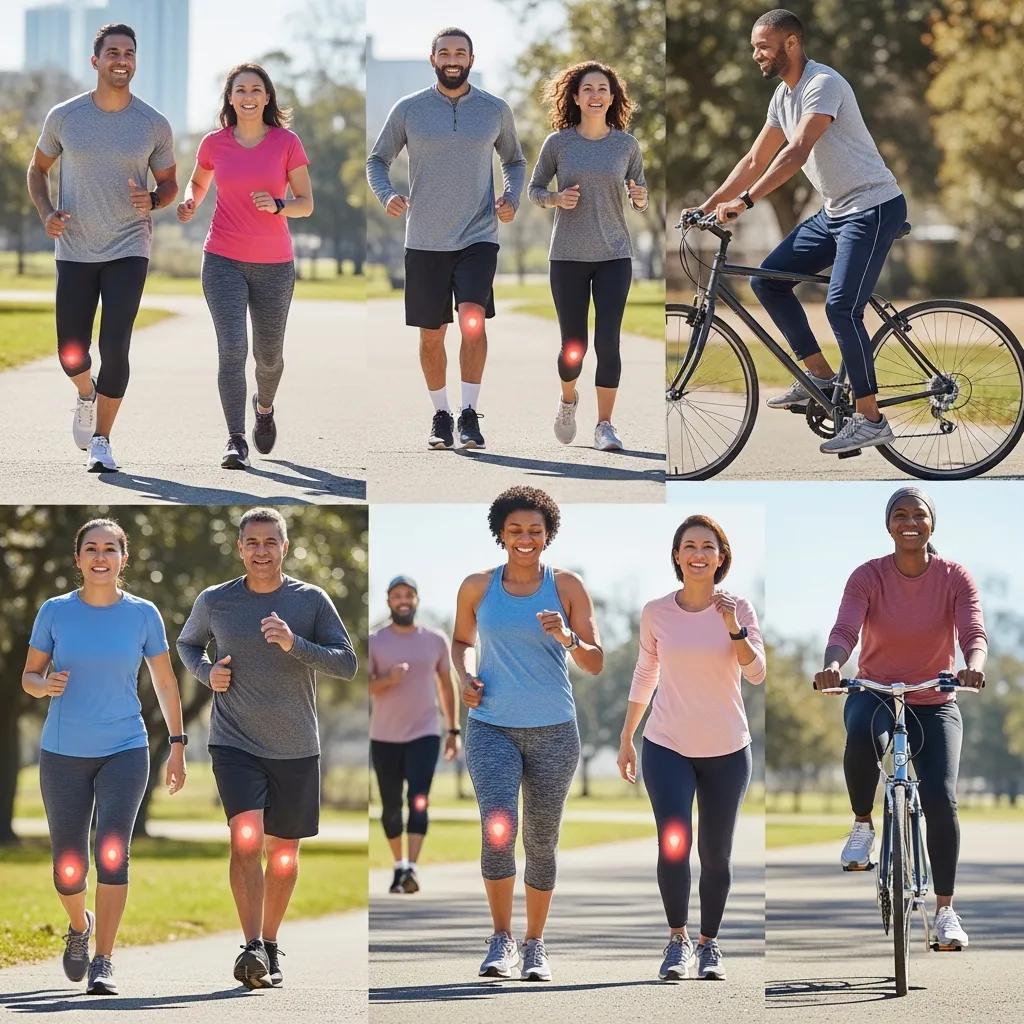
Reducing body weight lowers compressive forces across the knee with each step; research indicates that modest weight loss (for example, 5–10% of body weight) produces meaningful reductions in knee pain and functional limitations. Mechanically, less mass translates directly to lower ground reaction forces transmitted through cartilage and meniscal tissues, and metabolically, reduced adiposity diminishes systemic inflammatory mediators that can amplify joint pain. Practical strategies combine gradual caloric reduction, increased physical activity compatible with knee capacity (walking, cycling, pool sessions), and behavioral supports to sustain change. Coordinating weight management with progressive strengthening ensures patients regain function while protecting healing tissues.
| Lifestyle Strategy | Mechanism | Expected Benefit |
|---|---|---|
| Weight management | Reduces joint compressive load; lowers inflammatory adipokines | Decreased pain, improved mobility, slower degeneration |
| Anti-inflammatory diet | Modulates systemic inflammation through nutrient profile | Less baseline joint irritation, improved recovery after exercise |
| Posture and ergonomics | Reduces repetitive joint stress during daily tasks | Fewer flare-ups from cumulative overload, better energy efficiency |
Combining these strategies creates a reinforcing environment where exercise adaptations translate into lasting joint protection.
Which Nutritional and Posture Strategies Promote Knee Health?
Nutritional patterns rich in whole foods, omega-3s, and antioxidants support recovery and may reduce low-grade inflammation that worsens joint symptoms. Emphasize lean protein to support muscle repair, colorful vegetables for antioxidant intake, and adequate hydration to maintain tissue viscosity and recovery. Postural strategies include avoiding prolonged single-leg stances, using chairs and footwear that support neutral alignment, and applying simple ergonomic adjustments at workstations to reduce cumulative knee stress. Consulting clinicians for personalized plans ensures safe integration of dietary changes and posture correction into rehabilitation.
These lifestyle choices address both mechanical and inflammatory drivers of knee pain and enhance the long-term protective effect of strengthening programs.
Why Choose Campbell Health Center for Personalized Knee Strengthening and Non-Surgical Care in Houston?
Dr. Suhyun An, DC, MSN, NP-C, and her skilled medical team are dedicated to helping you overcome your knee issues. Campbell Health Center is positioned as a lead generation and information hub offering personalized, non-surgical options for joint and nerve pain for Houston residents. Their multi-modal approach combines regenerative medicine (including PRP, stem cell, and regenerative cellular tissue), chiropractic care, shockwave therapy, PEMF therapy, and diagnostic testing to identify root causes and design individualized rehabilitation plans. The practice emphasizes personalized care outside of insurance constraints, enabling focused plans that combine targeted exercise counseling with adjunct therapies to reduce pain and restore function. Patients in Houston can access a $49 consultation to review their condition, explore conservative options, and receive a tailored pathway toward improved knee health.
What Makes Campbell Health Center’s Multi-Modal Approach Unique?
Campbell Health Center’s model integrates biomechanical correction, biologic support, and symptom-modulating therapies alongside exercise-based rehabilitation to create a cohesive recovery plan. By combining diagnostic testing with regenerative and physical modalities, clinicians tailor interventions that address alignment, tissue health, and pain modulation, which in turn supports progressive strengthening and return-to-activity goals. The emphasis on individualized planning and combining modalities when clinically appropriate helps minimize unnecessary procedures and prioritize functional recovery. This coordinated approach is designed for patients seeking conservative, non-surgical paths that align evidence-based therapies with practical exercise progressions.
How to Schedule Your $49 Consultation for Expert Knee Pain Relief
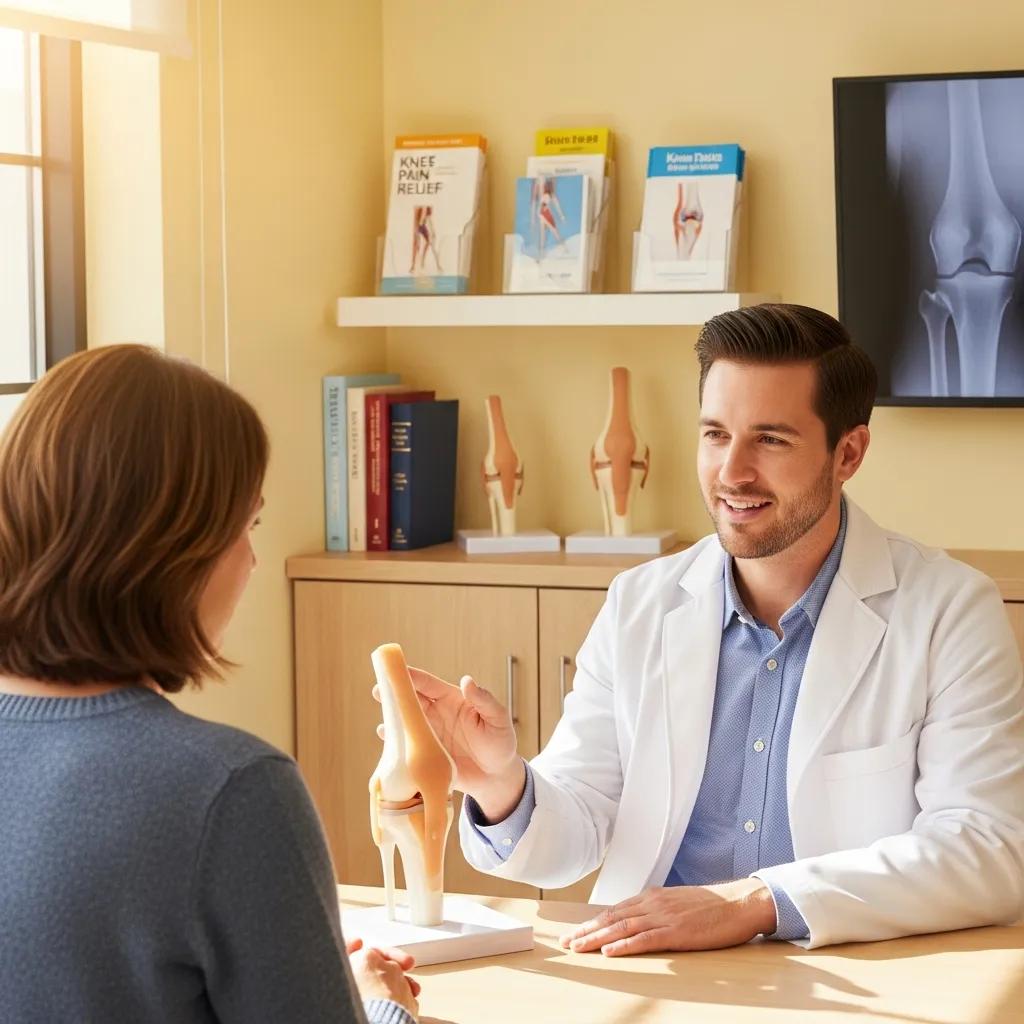
Scheduling an initial $49 consultation at Campbell Health Center provides a cost-accessible first step to evaluate knee symptoms, review diagnostic findings if available, and discuss an individualized plan that may combine exercise counseling with regenerative or supportive therapies. During the consultation, clinicians assess history, biomechanics, and functional limitations to recommend appropriate exercise progressions and any adjunct treatments that could accelerate recovery. After the visit, patients receive clear next steps—including a graded exercise program and potential referrals for diagnostic testing or targeted non-surgical therapies—so they can begin a structured path toward lasting knee protection and pain relief.
This consultation is an opportunity to align your exercise plan with any needed supportive therapies and begin a coordinated, conservative rehabilitation pathway under clinical guidance.