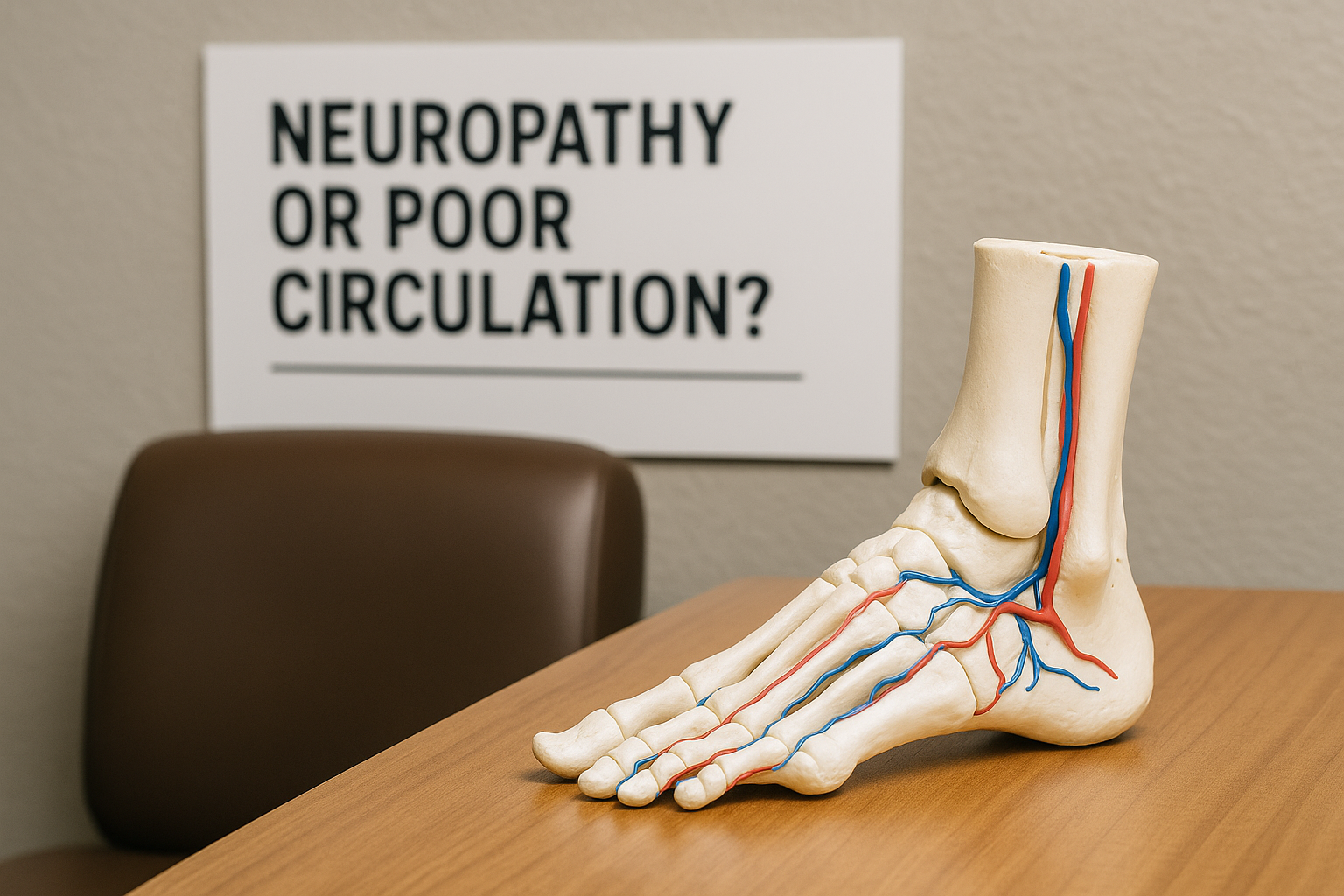
Houston’s Regenerative Cellular Tissue Therapy: Natural Healing Without Surgery for Effective Joint Pain Relief
Regenerative cellular tissue therapy uses a patient’s own biological materials to reduce pain and promote tissue repair, offering a natural alternative to surgical intervention for many musculoskeletal and nerve conditions. This article explains how autologous cellular therapies and related biologic approaches work, what components drive healing, and which joint and nerve problems in Houston respond best to these treatments. Readers will learn the biological mechanisms—immune modulation, growth factor signaling, and tissue remodeling—that reduce inflammation and improve function, and they will see practical timelines for recovery and realistic outcome expectations. We also map condition-specific uses, compare non-surgical regenerative care to conventional surgery, and outline transparent cost considerations including an affordable $49 initial consultation available locally. Finally, the guide describes how local providers deliver care, summarizes patient outcomes in Houston, and answers common questions about safety, durability, and next steps for people seeking pain relief without surgery.
What Is Regenerative Cellular Tissue Therapy and How Does It Work in Houston?
Regenerative cellular tissue therapy is a set of biologic treatments that use cells and growth-factor–rich preparations to stimulate the body’s natural repair pathways, reduce inflammation, and restore tissue function without incisions. The mechanism centers on mesenchymal stem cells and platelets releasing signaling molecules that modulate immune responses, recruit repair cells, and promote angiogenesis, which together reduce pain and improve mobility. In practice, clinicians collect autologous sources such as bone marrow aspirate or adipose tissue and concentrate cellular elements before targeted injection into injured joints, tendons, or nerve-adjacent tissues. Patients typically experience an initial inflammatory response followed by gradual symptom reduction as tissue remodeling occurs, and this process can often delay or avoid the need for surgical correction. Below we outline the key biological components and the stepwise healing sequence patients can expect during a typical consultation and treatment pathway in Houston.
What Are the Key Components of Regenerative Cellular Therapy?
Regenerative cellular therapy relies on distinct biologic components that each play a defined role in healing and repair. Mesenchymal stem cells (MSCs) act as signaling hubs that release growth factors and cytokines to reduce inflammation and support tissue remodeling, while platelet rich plasma (PRP) supplies concentrated platelets and growth factors that accelerate repair processes. Adipose-derived cellular concentrates and bone marrow aspirate concentrate (BMAC) are common autologous sources; both provide a mix of progenitor cells and signaling molecules tailored to the injury. Exosomes and other paracrine mediators convey repair signals between cells, amplifying regenerative effects at the injury site. Understanding these components clarifies why clinicians select specific preparations for tendon, cartilage, or nerve-related problems and how combinations are chosen to match pathology and repair goals.
Research indicates that mesenchymal stem cells play a crucial role in maintaining healthy tissues and reducing inflammation, acting as reservoirs of repair cells.
Mesenchymal Stem Cells for Joint Repair and Osteoarthritis Treatment
Mesenchymal stem cells (MSCs)—multipotent precursors of connective tissue cells that can be isolated from many adult tissues, including those of the diarthrodial joint—have emerged as a potential therapy. Endogenous MSCs contribute to maintenance of healthy tissues by acting as reservoirs of repair cells or as immunomodulatory sentinels to reduce inflammation. The onset of degenerative changes in the joint is associated with aberrant activity or depletion of these cell reservoirs, leading to loss of chondrogenic potential and preponderance of a fibrogenic phenotype. Local delivery ofex vivocultures of MSCs has produced promising outcomes in preclinical models of joint disease. Mechanistically, paracrine signalling by MSCs might be more important than differentiation in stimulating repair responses; thus, paracrine factors must be assessed as measures of MSC therapeutic potency, to replace traditional assays based on cell-surface markers and differentiation. Several early-stage clinical trials, initiated or underway in 2013, are testing the delivery of MSCs as an intra-articular injection into the knee, but optimal dose and vehicle are yet to be established.
Mesenchymal stem cells in joint disease and repair, F Barry, 2013
- The next paragraph explains how these materials translate into coordinated tissue repair and symptom improvement in clinical practice.
How Does Regenerative Medicine Promote Natural Healing Without Surgery?
Regenerative medicine promotes healing through immune modulation, growth factor-driven repair, and enhanced blood vessel formation that together rebuild tissue architecture and lower nociceptive signaling. When injected into damaged tissue, cellular concentrates reduce pro-inflammatory cytokines and increase anti-inflammatory mediators, shifting the local environment from chronic inflammation toward repair. Growth factors such as PDGF and VEGF support extracellular matrix synthesis and capillary growth, which improves nutrient delivery and clears metabolic waste, enabling structural recovery. Compared with surgery’s mechanical correction, regenerative therapy aims to restore tissue quality and physiology; this biological repair can reduce pain and improve function while preserving native anatomy. The next section describes which specific joint and nerve conditions commonly benefit from these mechanisms in Houston clinical practice.
Which Joint and Nerve Conditions Can Regenerative Cellular Therapy Treat in Houston?

Regenerative cellular therapy targets a range of musculoskeletal and peripheral nerve conditions by addressing underlying tissue degeneration or inflammatory drivers rather than simply masking symptoms. Typical candidates include early-to-moderate osteoarthritis, tendon and rotator cuff injuries, certain degenerative disc and facet problems, meniscal and ligament pathology, and peripheral neuropathy where nerve modulation can reduce pain. Treatment selection depends on pathology severity, patient goals, and imaging or exam findings; for many conditions, regenerative approaches reduce inflammation and support tissue repair that translates to functional gains. Below is a practical condition table showing typical causes and how regenerative therapy helps, followed by condition-specific summaries.
Different conditions present distinct pathologies and respond to regenerative approaches through tailored mechanisms.
| Condition | Typical Cause / Pathology | How Regenerative Therapy Helps |
|---|---|---|
| Knee osteoarthritis | Cartilage breakdown and synovial inflammation | Growth factors and MSC signaling reduce inflammation and support cartilage matrix stabilization |
| Rotator cuff/tendinopathy | Tendon degeneration and microtears | PRP and cellular concentrates enhance tendon remodeling and collagen synthesis |
| Herniated disc / axial back pain | Disc degeneration and local inflammation | Targeted injections modulate inflammation and promote local tissue repair to reduce radicular pain |
| Peripheral neuropathy | Nerve irritation or metabolic damage | Cellular signaling can reduce neuroinflammation and improve nerve microenvironment for symptom relief |
This table clarifies how matching the biologic mechanism to the condition influences outcomes and guides realistic expectations for recovery timelines and functional improvement.
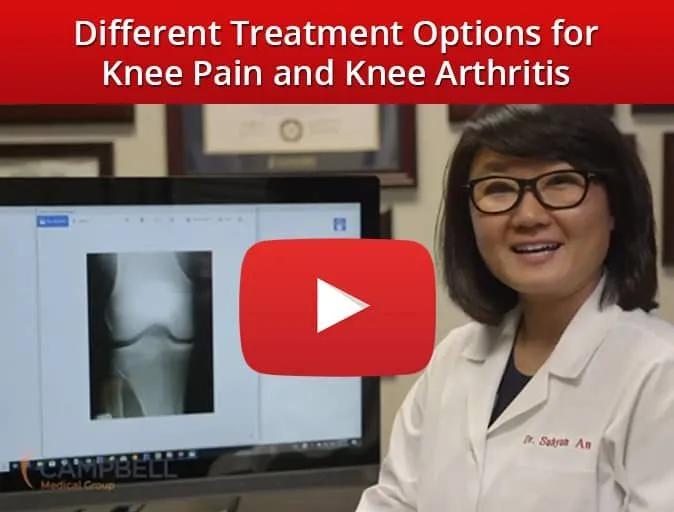
How Does Regenerative Therapy Help Knee Pain and Arthritis?
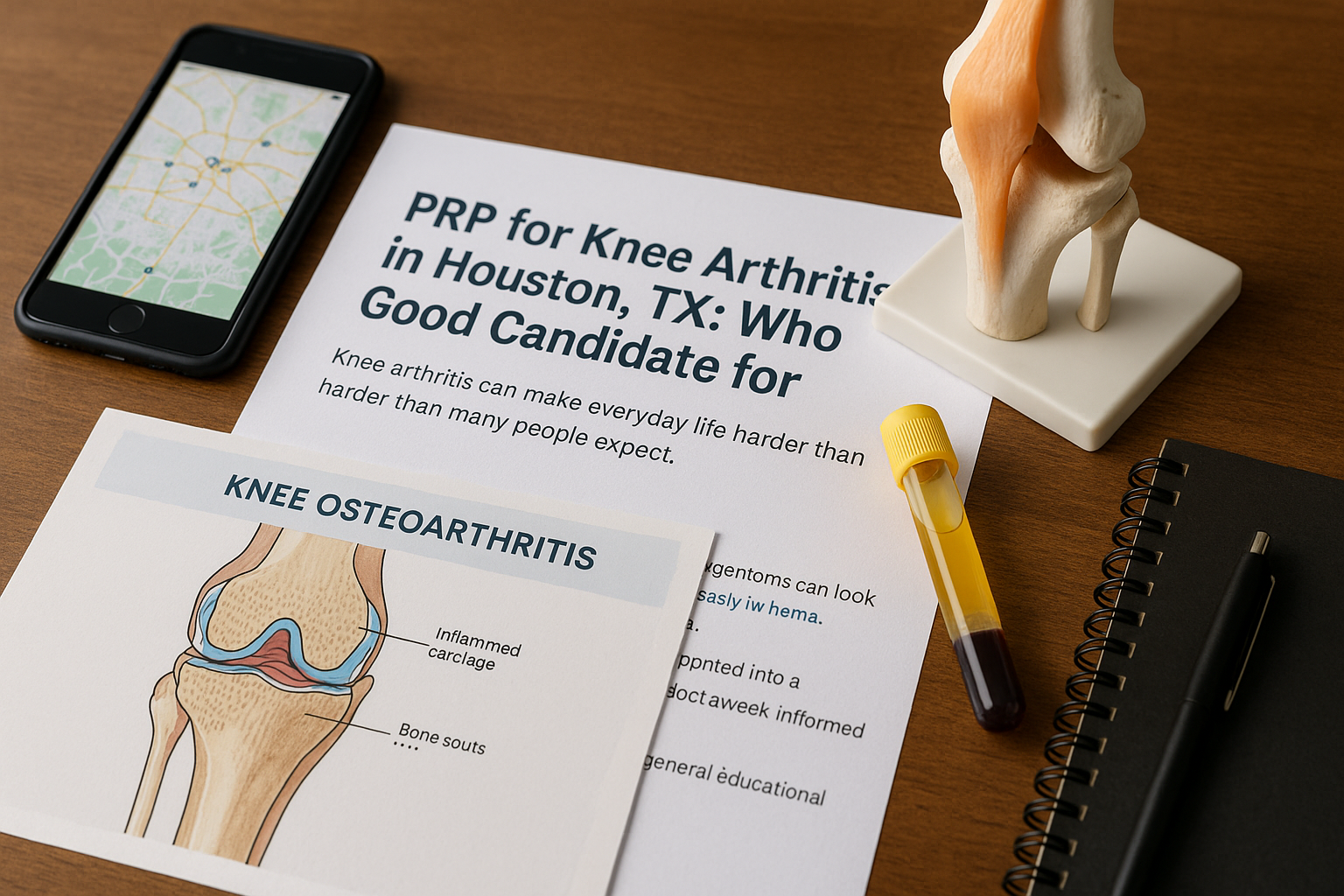
Knee osteoarthritis and related meniscal or ligament injuries respond to regenerative therapy through combined anti-inflammatory and matrix-support actions that reduce pain and improve mobility. In early-to-moderate knee OA, MSCs and PRP release growth factors that decrease catabolic activity and support chondroprotective signaling, often resulting in measurable pain score reductions over weeks to months. Typical candidates are patients wishing to delay joint replacement, improve activity tolerance, reduce dependence on systemic pain medications; contraindications include advanced joint collapse where mechanical replacement may be necessary. Rehab and activity modification accompany injections, with many patients reporting stepwise improvement over 6–12 weeks and durable benefit thereafter when combined with targeted therapy.
Studies have explored the efficacy of both platelet-rich plasma (PRP) and mesenchymal stem cells (MSCs) for knee osteoarthritis, aiming to restore functionality without surgery.
Regenerative Medicine for Knee Osteoarthritis: PRP and MSCs Efficacy
The prevalence of osteoarthritis (OA) has been rising exponentially in recent years. As the disease progresses, patients may eventually require surgical intervention to restore the functionality of the affected knees. The current literature review aims to explore two treatment options in regenerative medicine for OA by analyzing the efficacy and safety of platelet-rich plasma (PRP) and mesenchymal stem cells (MSCs) use, as well as determining which population will benefit from these treatments. A total of 1093 patients who were diagnosed
Regenerative medicine for knee osteoarthritis–the efficacy and safety of intra-articular platelet-rich plasma and mesenchymal stem cells injections: a literature review, 2020
- The next subsection summarizes shoulder, back, and neuropathy outcomes and when alternative care is appropriate.
Can Regenerative Therapy Relieve Shoulder Pain, Back Pain, and Neuropathy?
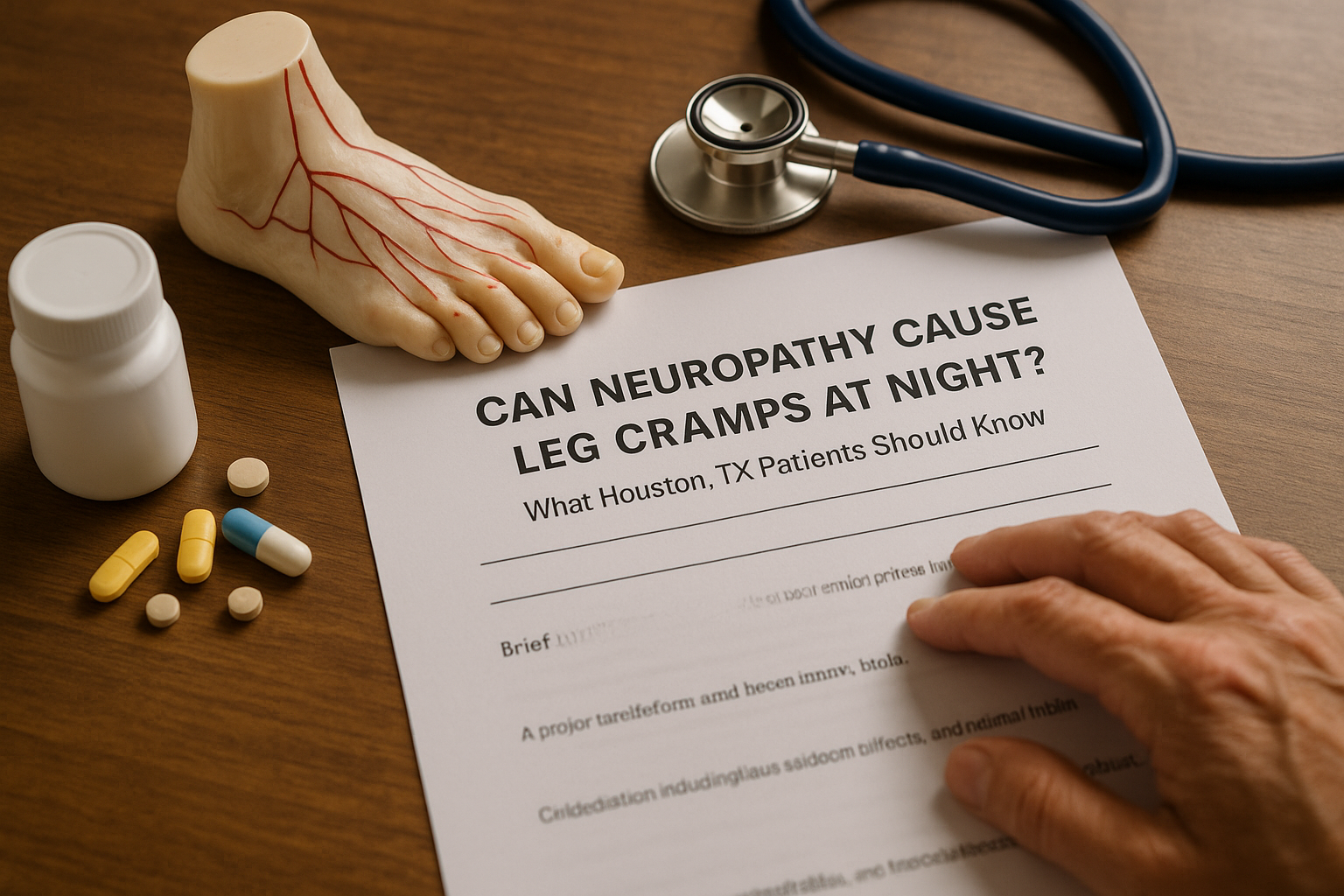
Regenerative approaches can be effective for many shoulder tendon injuries, select spinal conditions, and certain neuropathic presentations when the source is local tissue degeneration or inflammation. For rotator cuff tendinopathy, PRP or cellular concentrates stimulate tendon repair and reduce pain, improving range of motion and facilitating rehabilitation. In the spine, carefully selected injections may help symptomatic herniated discs or facet-mediated pain by reducing inflammation and supporting local healing, though structural instability often still requires surgical consideration. Peripheral neuropathy treatments aim to modulate neuroinflammation and enhance nerve microenvironment rather than regenerate large-scale nerve tracts; some patients experience reduced paresthesia and improved function. Clinicians determine appropriateness by combining clinical exam, imaging, and patient goals to select the best non-surgical path.
What Are the Benefits of Choosing Non-Surgical Regenerative Therapy Over Surgery in Houston?
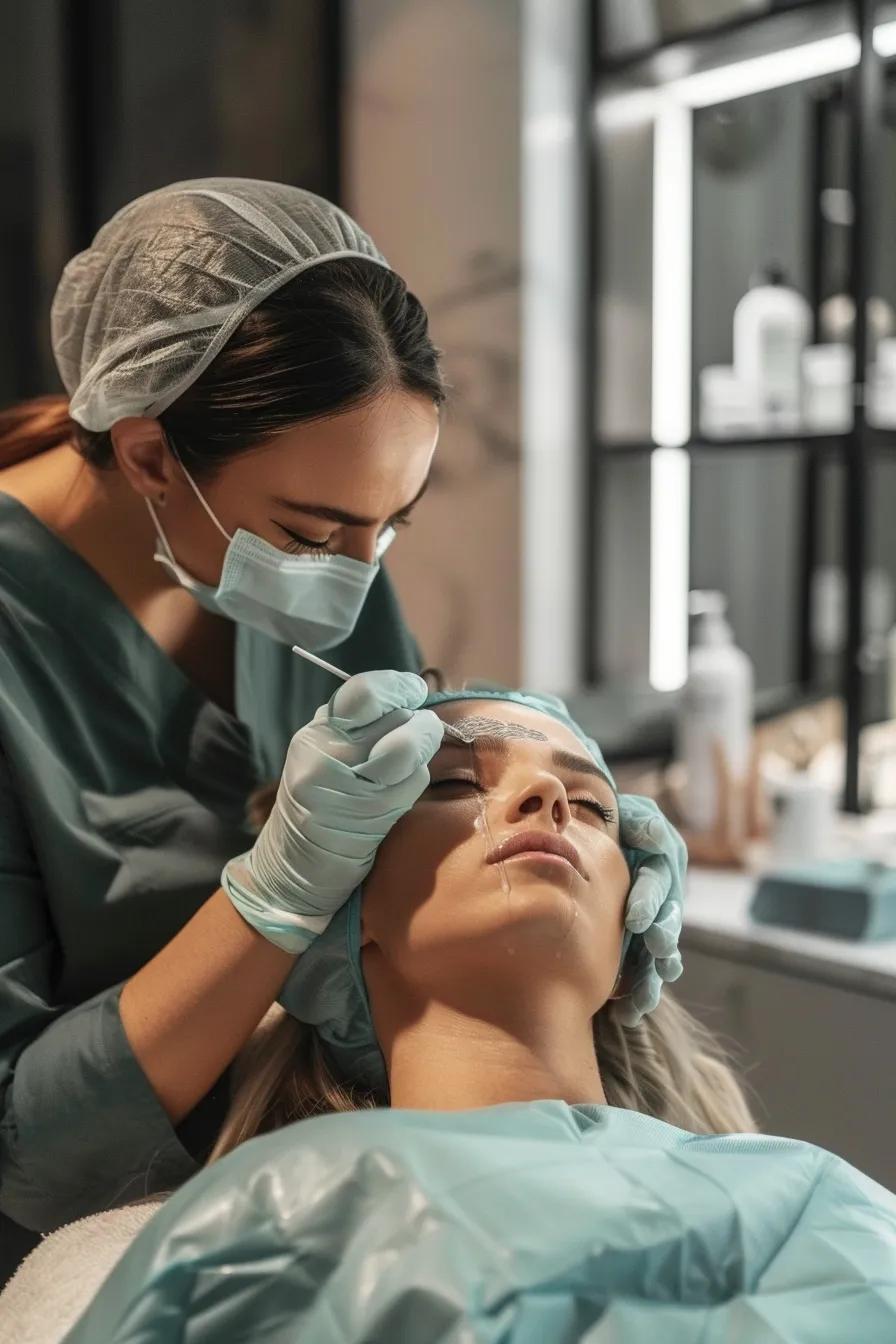
Non-surgical regenerative therapy offers several potential advantages compared with conventional surgery, emphasizing natural tissue repair, reduced invasiveness, and preservation of native anatomy. Patients commonly seek regenerative options to avoid general anesthesia, shorten recovery windows, lower infection and complication risks, and pursue biologic healing that can maintain joint structures longer. Evidence and clinical experience indicate that many patients achieve significant pain reduction and functional gains with fewer immediate risks and faster return-to-activity than after major surgical procedures. Below we present a direct comparison of approaches and a bulleted list of the most impactful benefits to help readers weigh options.
| Approach | Invasiveness | Typical Recovery & Risks |
|---|---|---|
| Regenerative therapy | Minimally invasive injections | Short recovery, transient soreness; lower systemic risk |
| Surgery (e.g., arthroplasty) | Open or arthroscopic with tissue removal | Longer rehab, anesthesia risks, higher complication rates |
| Conservative care (PT, meds) | Non-invasive | Low risk but may only mask symptoms without structural repair |
- Non-surgical healing: Regenerative therapy promotes biological repair rather than replacing tissue, which conserves native anatomy.
- Faster recovery: Procedures are often outpatient with quicker return-to-activity compared with surgery.
- Lower complication risk: Avoiding general anesthesia and large incisions reduces infection and systemic complication likelihood.
- Personalized care: Treatments can be tailored to the specific tissue pathology and patient goals.
These benefits help many patients avoid or delay surgery while improving pain and function, and the next section explains why individualized, root-cause assessment is essential to realize these advantages.
How Does Regenerative Therapy Offer Faster Recovery and Reduced Risks?
Recovery after regenerative injections typically involves a brief period of localized inflammation or soreness followed by progressive symptom improvement, allowing many patients to resume light activity within days and more strenuous rehabilitation within weeks. Compared with surgical recovery timelines that often require extended physical therapy and limited weight-bearing, biologic injections emphasize gradual tissue remodeling with fewer systemic risks. Common minor side effects include transient swelling or discomfort at the injection site, while major complications are uncommon when proper sterile technique and patient selection are applied. Clear post-procedure activity guidance and coordinated rehabilitation enhance outcomes, and patients who follow tailored plans frequently report earlier return to daily activities than peers who undergo surgery.
- The next subsection clarifies why a personalized, root-cause approach improves long-term outcomes.
Why Is Personalized, Root-Cause Focused Care Important for Pain Relief?
Personalized care identifies the primary drivers of pain—whether inflammatory, mechanical, or neuropathic—and matches specific regenerative modalities to those mechanisms for better outcomes. An assess→tailor→treat model ensures clinicians integrate imaging, physical findings, and patient goals to select PRP, BMAC, or adipose-derived concentrates appropriately, optimizing repair signals for the affected tissue. Coordinating regenerative injections with physical therapy, activity modification, and lifestyle measures addresses both symptoms and contributing factors, reducing recurrence and unnecessary procedures. Patients who receive individualized plans tend to experience more durable symptom relief and clearer expectations about timelines and measurable milestones during recovery.
How Does Campbell Health Center Provide Expert Regenerative Medicine Services in Houston?
Campbell Health Center is a Houston medical organization focused on natural, non-surgical treatments for joint pain and neuropathy, offering regenerative cellular tissue therapy alongside PRP therapy options. The clinic emphasizes a patient-centric, root-cause approach that is independent of insurance constraints and provides transparent access to initial evaluation, including an affordable $49 initial consultation to discuss personalized options. Services center on careful assessment, selection of appropriate biologic preparations, and coordinated follow-up to track progress and adjust plans; this workflow supports safer, focused care aimed at meaningful symptom reduction without routine surgery. Below we outline the clinic’s typical patient process and what patients can expect when exploring regenerative care locally.
Campbell Health Center integrates clinical steps into a clear three-phase pathway to guide patients from evaluation to recovery.
- Comprehensive consult: A focused medical history review, exam, and imaging review to determine candidacy for regenerative options.
- Personalized treatment planning: Selection of the appropriate biologic approach—autologous cellular therapy, PRP, or related modalities—matched to the patient’s pathology and goals.
- Treatment and follow-up: Image-guided procedures as needed, with structured follow-up and rehabilitation coordination to measure outcomes and refine care.
This three-step process keeps the patient’s priorities central and clarifies next steps while maintaining transparency about expectations and costs, including the $49 consult described above.
Who Is Dr. Suhyun An and What Is Her Role in Regenerative Therapy?
Dr. Suhyun An is named as a clinical contact associated with Campbell Health Center and participates in delivering personalized regenerative care plans and procedures at the clinic. In this role she helps evaluate patients, interpret diagnostic imaging, and recommend appropriate biologic options such as regenerative cellular tissue therapy or PRP based on individual pathology and goals. Her involvement contributes to the clinic’s patient-centered model by ensuring clinical decision-making aligns with the root-cause focus emphasized in evaluation and follow-up. Readers considering regenerative options locally can discuss specific clinician roles and qualifications during the $49 initial consultation to understand who will guide their care.
What Makes Campbell Health Center Unique for Regenerative Cellular Therapy?
Campbell Health Center highlights several differentiators that support a patient-first regenerative care model in Houston, including a focus on non-surgical pain relief, personalized root-cause evaluation, and transparent pricing structures. The clinic positions itself as independent of insurance-driven constraints so that treatment decisions emphasize clinical appropriateness and patient goals rather than coverage limitations. An affordable initial consult fee ($49) lowers the barrier for patients to explore non-surgical options and understand realistic expectations, while clinic workflows emphasize follow-up and coordination with rehabilitation. These features aim to provide Houston patients with clear access to regenerative alternatives as part of a broader conservative-to-biologic care spectrum.
- The next section examines how costs are commonly structured and what patients should expect regarding insurance and payment options.
How Much Does Regenerative Cellular Therapy Cost in Houston and Is It Covered by Insurance?
Cost for regenerative cellular therapy varies depending on the specific procedure, the biologic preparation used, and the number of treatment sessions required, but providers increasingly emphasize transparent pricing and clear consult options to discuss individualized plans. Many clinics in Houston offer an initial consultation option that includes focused history, exam, and imaging review to outline recommended treatments and an estimated cost range; Campbell Health Center provides a $49 initial consultation for this purpose. Insurance coverage for biologic therapies is variable and often limited, so patients commonly rely on self-pay models, financing, or packaged treatment plans; discussing payment options during the initial visit clarifies expectations and next steps. The table below summarizes typical service categories, price ranges, and insurance/financing notes to aid planning.
Before the table: this breakdown helps patients compare service types, understand likely out-of-pocket needs, and prepare financial questions for the consult.
| Service | Typical Price Range | Insurance / Financing Notes |
|---|---|---|
| Diagnostic consultation (initial) | $49 (clinic consult offering) | Consult fee clarifies candidacy; insurance may cover diagnostic imaging separately |
| Single biologic injection (PRP / cellular concentrate) | Varies by procedure and preparation, typically $500–$2,000 | Biologic injections are often self-pay; some clinics offer financing or packages |
| Multi-session or advanced cellular therapies | Higher, variable pricing, often $3,000+ | Financing options and packaged pricing may be available; insurance coverage is limited |
This table outlines typical financial scenarios so patients can bring informed questions to the $49 consultation and review available financing or packaging options directly with clinic staff.
What Is Included in the $49 Initial Consultation at Campbell Health Center?
The $49 initial consultation provides a focused medical history review, targeted physical examination, and a discussion of prior imaging and treatment history to determine candidacy for non-surgical regenerative options. During this visit the clinician outlines likely treatment choices—such as PRP, BMAC, or adipose-derived options—estimates expected costs and sessions needed, and explains timelines and post-procedure planning. Patients receive transparent information about procedural steps, potential benefits and risks, and recommended next actions including rehabilitation coordination if applicable. Preparing for the consult by bringing imaging reports and a list of current symptoms and medications makes the visit more efficient and helps clinicians tailor recommendations.
- The next subsection addresses how financing and insurance realities typically affect treatment choices.
Are There Financing or Insurance Options for Regenerative Treatments?
Insurance coverage for regenerative cellular therapies is commonly limited because many biologic procedures are categorized as elective or experimental by payers, so patients should expect out-of-pocket costs unless specific coverage is confirmed. Clinics often offer flexible payment options, financing plans through third-party providers, or packaged pricing to spread costs while making treatments more accessible; discussing these during the initial consult clarifies practical options. Patients are encouraged to verify with their insurer and to use the $49 consultation to obtain a written estimate and explore clinic-specific payment arrangements. Transparent financial counseling at the clinic helps set realistic expectations and reduces surprises during the treatment course.
What Are Patient Success Stories and Frequently Asked Questions About Regenerative Cellular Therapy in Houston?
Patient experiences with regenerative cellular therapy in Houston commonly report stepwise improvements in pain, increased activity tolerance, and reduced reliance on pain medications when treatment selection and rehabilitation are well coordinated. Short case vignettes typically show initial soreness after injections followed by gradual functional gains over 6–12 weeks, with some patients avoiding surgery they would otherwise have faced. Realistic expectations emphasize that outcomes vary by pathology, patient health, and adherence to post-procedure plans, and providers measure success using pain scores, functional tests, and patient-reported quality-of-life improvements. The following anonymized vignettes illustrate representative outcomes and the typical monitoring approach clinicians use to track progress.
Below are concise anonymized case summaries demonstrating typical recovery patterns and outcomes.
- Middle-aged patient with knee OA: Received a single targeted cellular injection, reported decreased pain and improved walking tolerance at 8 weeks, and delayed surgical planning.
- Athlete with rotator cuff tendinopathy: Underwent PRP and rehab, regained overhead function in 10 weeks and returned to sport with structured conditioning.
- Patient with peripheral neuropathy symptoms: Received nerve-modulating biologic injections and reported reduced paresthesia and improved sleep over three months.
These vignettes demonstrate variability in response while showing how combined biologic intervention and rehab can produce measurable benefits for many patients.
What Do Patients Say About Their Recovery and Pain Relief Experiences?
Patients frequently describe an early period of localized soreness followed by incremental pain reduction and improved daily function, with many reporting meaningful changes in activity levels and sleep quality over several weeks. Success is typically measured by decreased pain scores, increased range of motion, and the ability to resume specific activities that were previously limited by pain; objective measures and patient-reported outcomes are tracked in follow-up visits. Importantly, clinicians set realistic timelines—most observable improvements occur over 6–12 weeks—and emphasize adherence to rehabilitation plans for durable results. Prospective patients benefit from discussing expected milestones and potential need for repeat treatments during the initial consult.
- The next subsection answers common safety and effectiveness questions for readers considering these therapies.
What Are the Most Common Questions About Safety, Duration, and Effectiveness?
Common questions focus on safety profiles, how long benefits last, how regenerative therapy compares with surgery, and how many treatments are typically needed to see results. The safety profile for autologous procedures is generally favorable because the materials originate from the patient, reducing risks of immune reaction, and serious complications are uncommon when procedures are performed under sterile, image-guided conditions. Durability of benefit varies by condition and patient factors; some individuals experience months to years of symptom relief while others may need periodic repeat treatments or alternative interventions. Effectiveness depends on realistic candidate selection, concurrent rehabilitation, and treating underlying contributors—outcomes are best when regenerative therapy is integrated into a personalized care plan that addresses root causes rather than only symptoms.
Research highlights that joint-resident mesenchymal stem cells are found in various bone and joint niches and play a role in cartilage repair following injury.
Native Joint MSCs for Osteoarthritis Cartilage Repair
Joint-resident MSCs occupy several bone and joint cavity niches including synovium, adipose tissue and synovial fluid. Advanced osteoarthritis (OA) is associated with a numerical increase, but functional decline, in MSCs in regions of MRI-determined bone oedema, suggesting direct involvement of MSCs in OA pathologyin vivo. In experimental models, there is strong evidence for the involvement of synovium-derived MSCs in cartilage repair following joint injury.
Native joint-resident mesenchymal stem cells for cartilage repair in osteoarthritis, D McGonagle, 2017